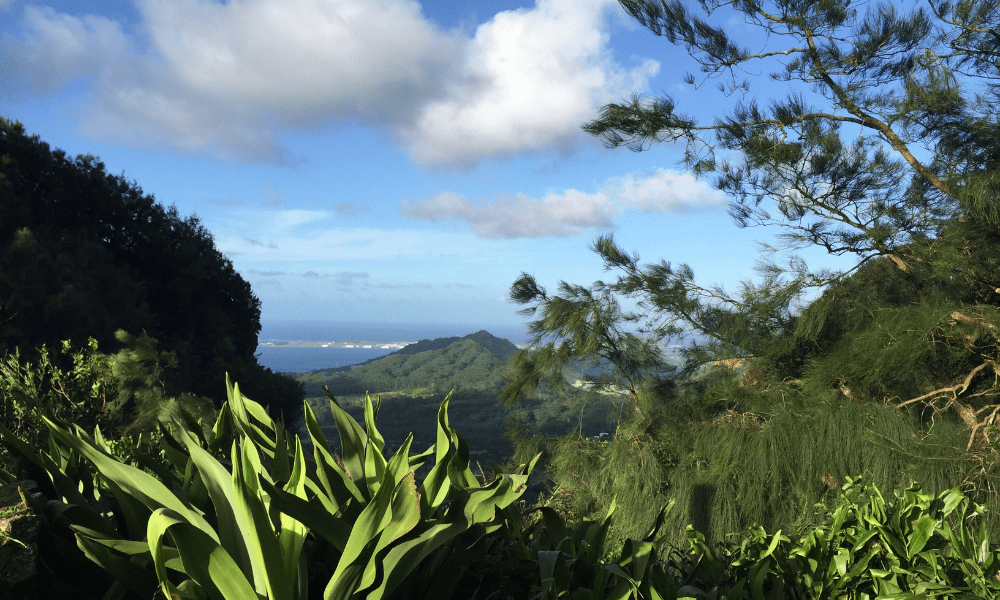
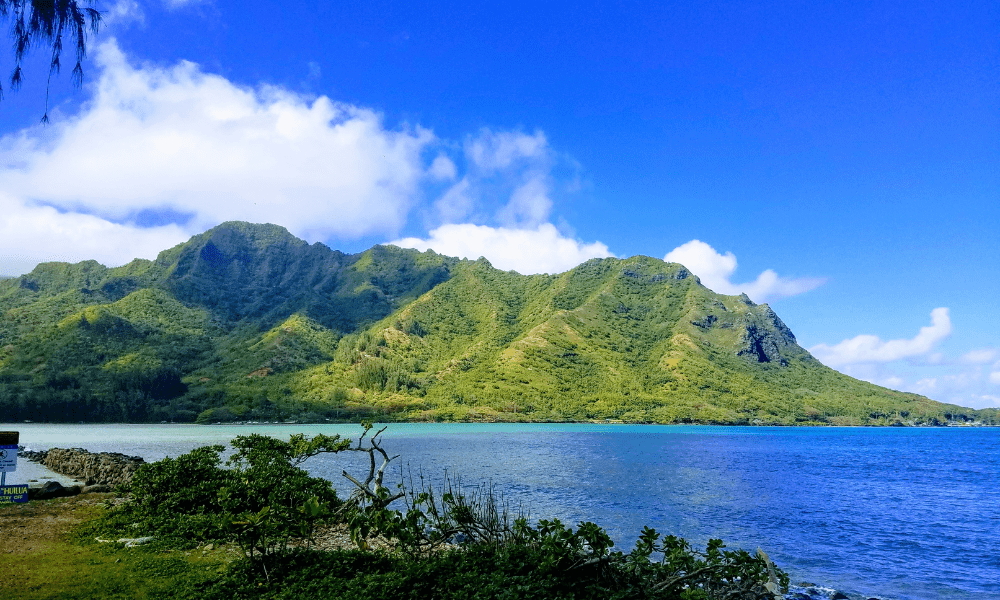
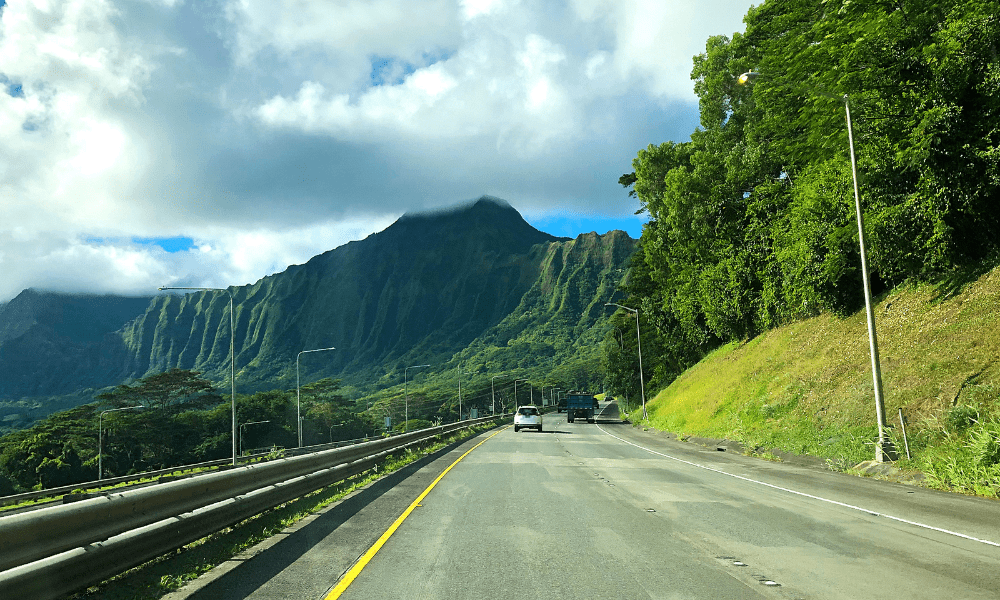
There’s a moment on the drive up O’ahu’s windward coast when the high-rises disappear, the Ko’olau Mountains press close to the road, and the ocean opens up wide on your right. Most people are heading to the Polynesian Cultural Center when they first experience this stretch, and the drive itself is already telling you something: you’re leaving the resort version of Hawai’i behind.
The Polynesian Cultural Center is one of the most visited attractions in the state, and it deserves to be. But it’s also the kind of place that rewards a little planning. We operate CLIMB Works at Keana Farms in Kahuku, just up the road, so we’re not offering a one-time trip report here. This is what we’d tell a friend who called and said, “We’re going to PCC next week, what should we know?”
Is the Polynesian Cultural Center Worth It?
The short answer: yes, if you go in with the right expectations.
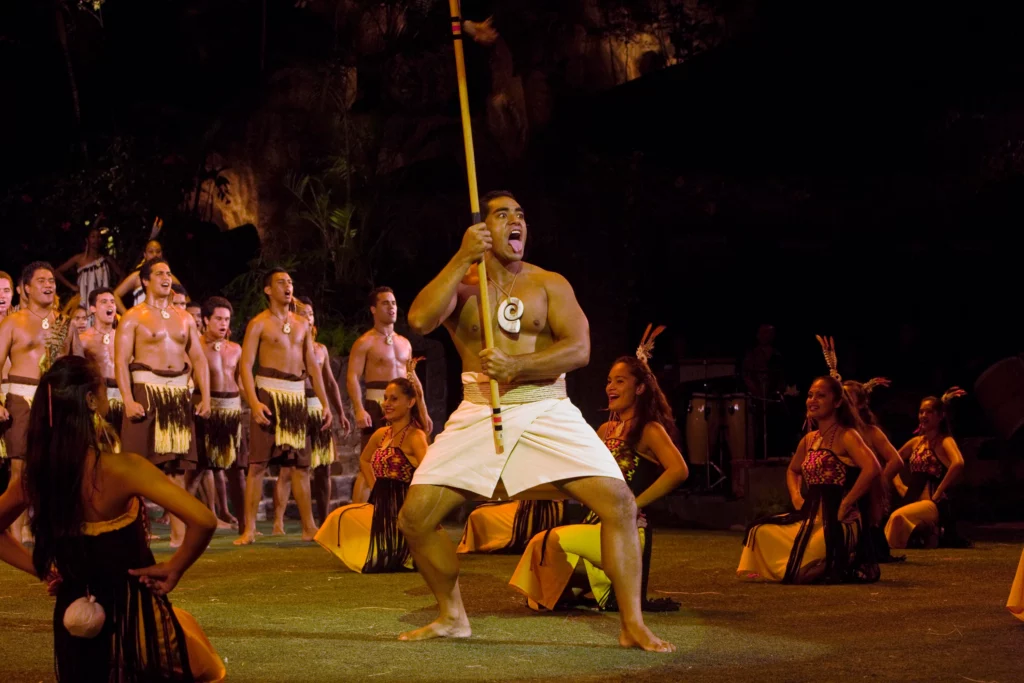
PCC spans 42 acres and features six island villages representing Samoa, Aotearoa (New Zealand), Fiji, Hawaiʻi, Tahiti, and Tonga. Each village has its own demonstrations, music, and hands-on activities. The performers aren’t actors, in fact, most are students at nearby Brigham Young University Hawaiʻi who come from the Pacific Island nations they represent. That authenticity shows. You can tell the difference between someone performing a culture and someone sharing their own.
What PCC is not: a theme park. If you’re expecting roller coasters and quick thrills, recalibrate. This is immersive and educational in the best sense. It’s the kind of place where you learn to throw a Tahitian spear, watch a Māori haka performed by someone who grew up doing it, and try poi made from taro root. It moves at a slower pace than most attractions, and that’s intentional.
It’s also a full-day commitment. PCC opens at 12:45 PM and runs until about 9 PM. If you’re driving up from Waikīkī, you’re looking at an hour each way. Don’t try to squeeze it into a half-day or you’ll miss the best parts.
Which Package Should You Choose?
PCC offers several ticket tiers, and choosing the right one matters more here than at most attractions. Here’s the honest breakdown:
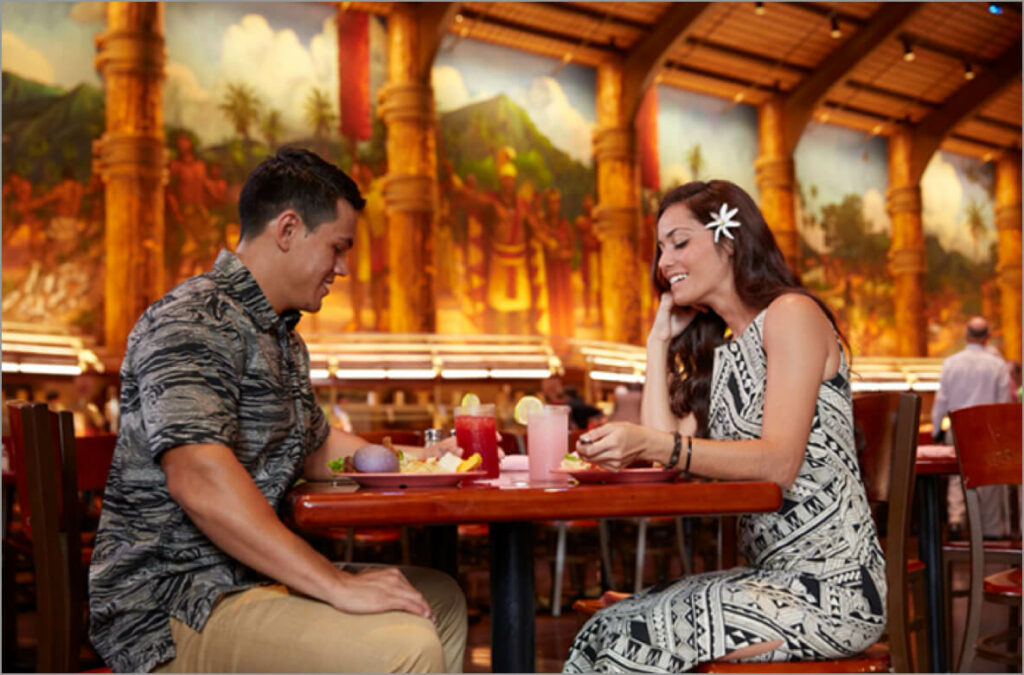
Islands of Polynesia + Hā: Breath of Life is the baseline package most visitors should consider. It gets you into all six villages for the self-guided experience plus bronze-level seating for the evening show. Dinner isn’t included, but the food trucks at the Hukilau Marketplace are better than you’d expect. There’s a solid sushi truck and a Mexican truck that are both worth seeking out, plus Pounders Restaurant on-site for a sit-down meal.
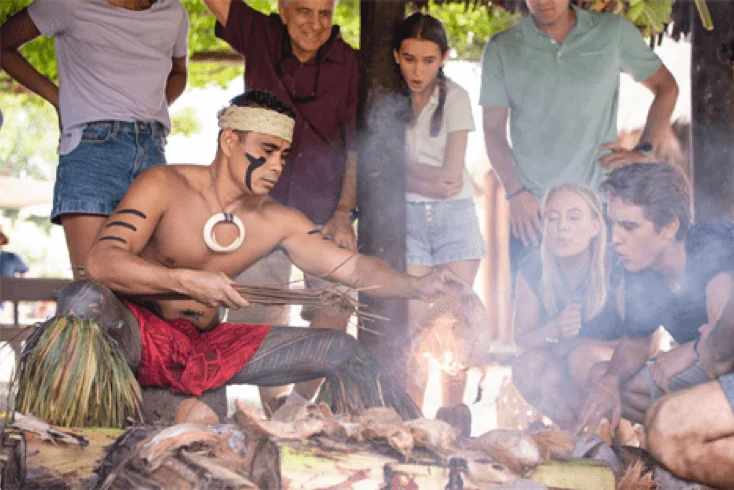
Ali’i Lūʻau Package adds the traditional Hawaiian lūʻau dinner with live entertainment, a fresh flower lei greeting, and upgraded seating for the Hā show. If this is your first time and you want the full experience, this is the one we recommend most often. The imu ceremony (where kalua pork is pulled from the underground oven) is a highlight you won’t get anywhere else.
Super Ambassador is the premium tier; private guided tour, platinum seating (front two rows), both lei greetings, the works. Worth it if you’re celebrating something or want a more structured day without figuring out logistics yourself.
Gateway Buffet Package is the budget-friendly option, but trust us when we say, the food here is some of the best that you’ll find on the North Shore. You’ll get a full buffet dinner and silver-level seating, plus a show!
A few things worth knowing regardless of package: PCC doesn’t serve alcohol (the center is affiliated with the LDS Church). It’s never been a dealbreaker for our guests, and if you want to grab a drink before or after, Hale’iwa has options. The dress code is modest and casual, shorts and comfortable shoes are fine, swimwear isn’t. And tickets purchased at least 10 days in advance often include a discount, so don’t wait until you’re in the parking lot.
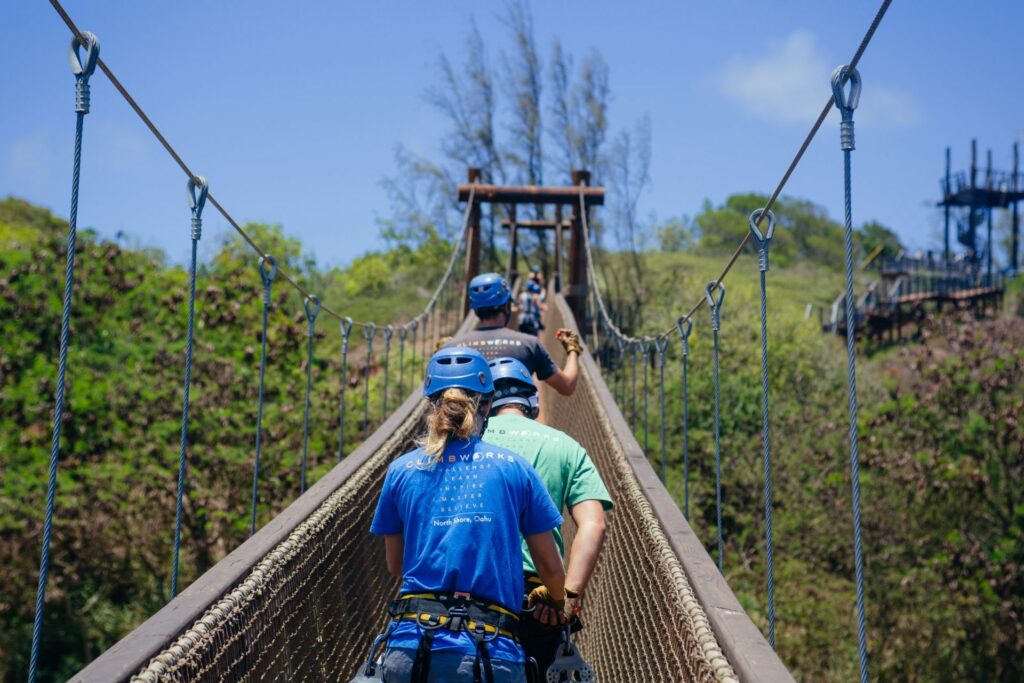
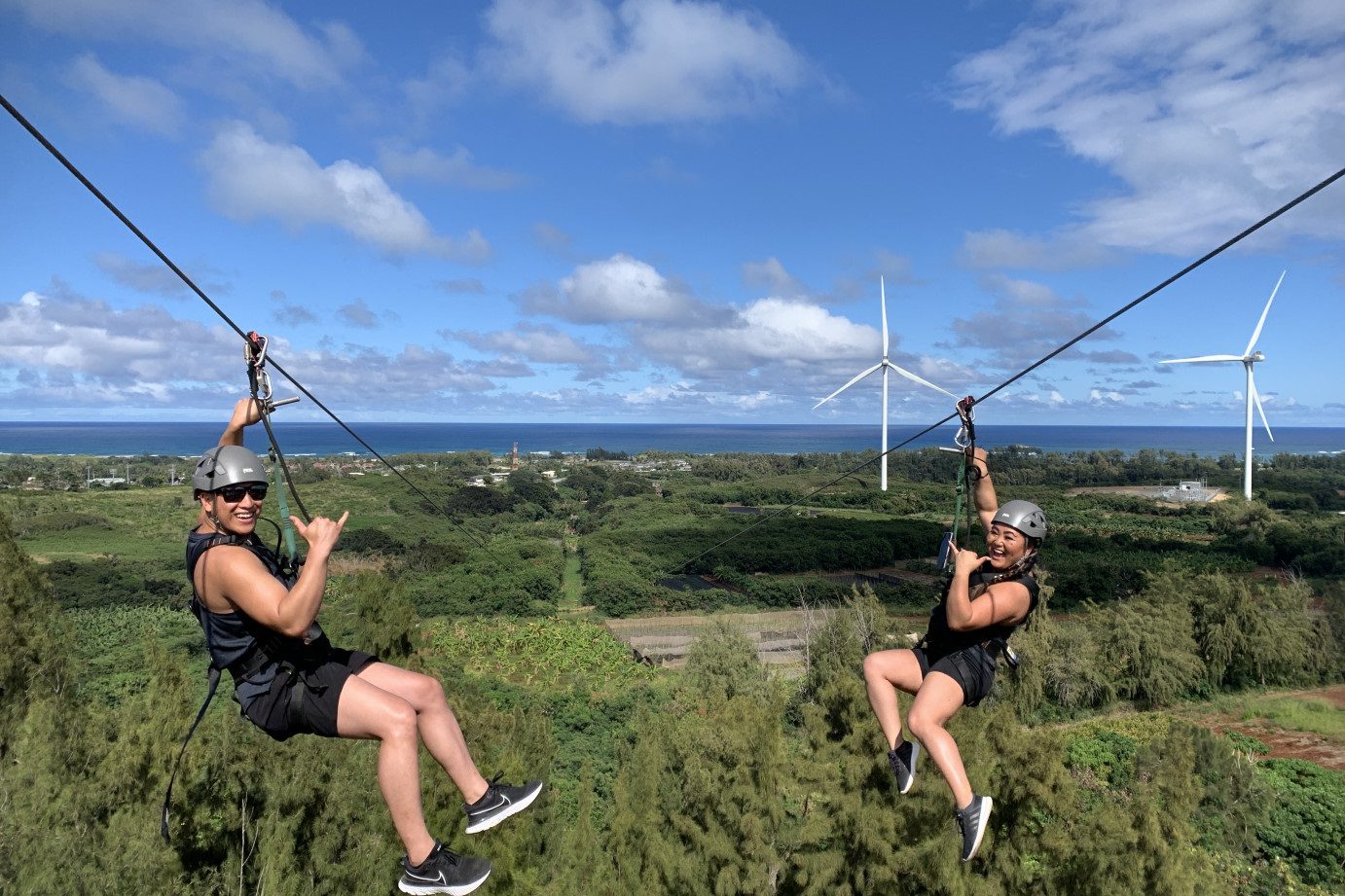
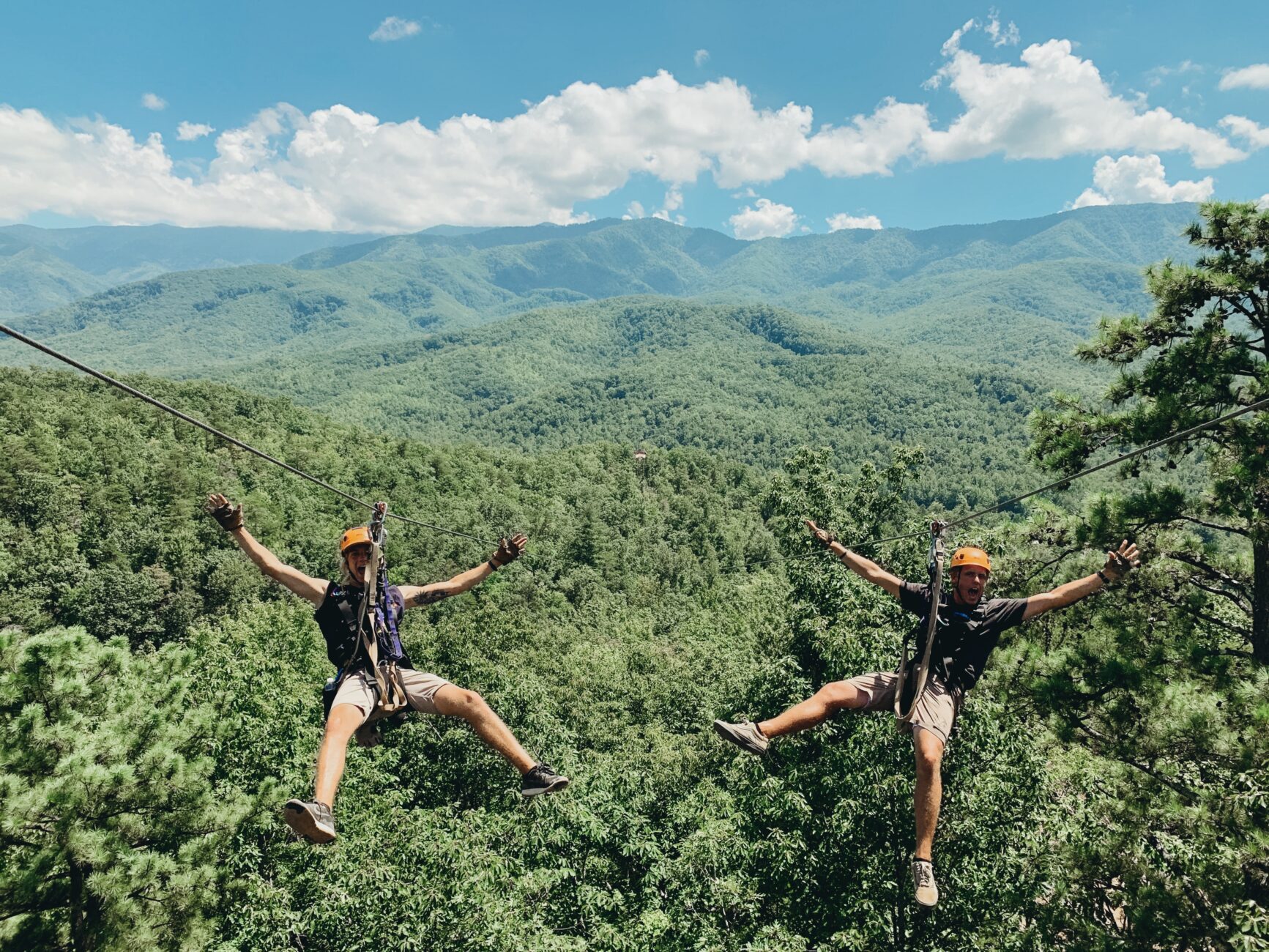
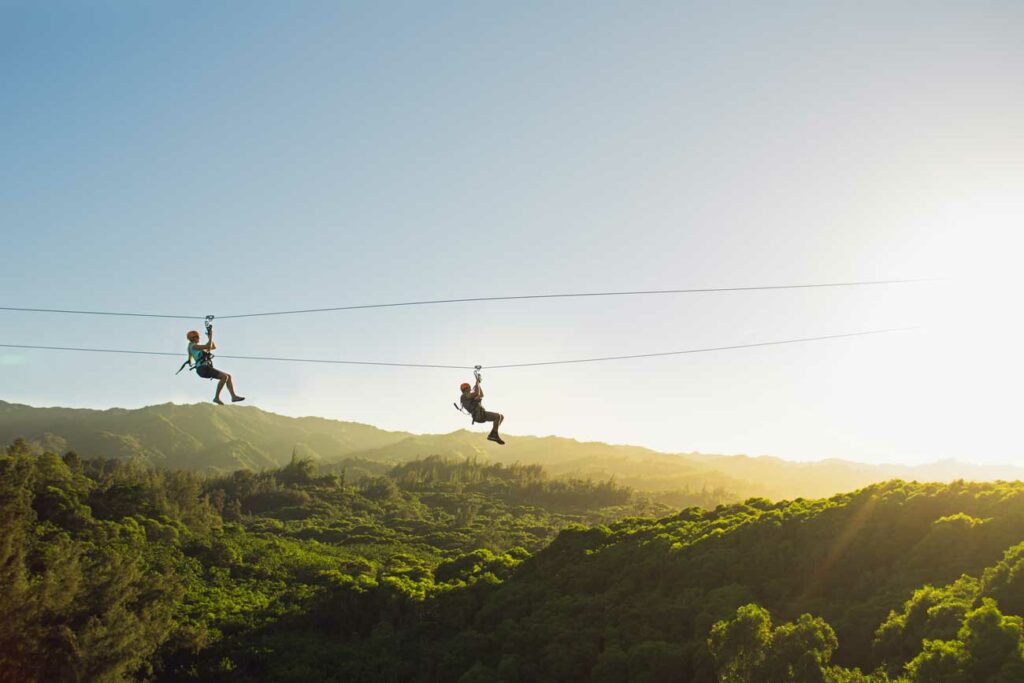
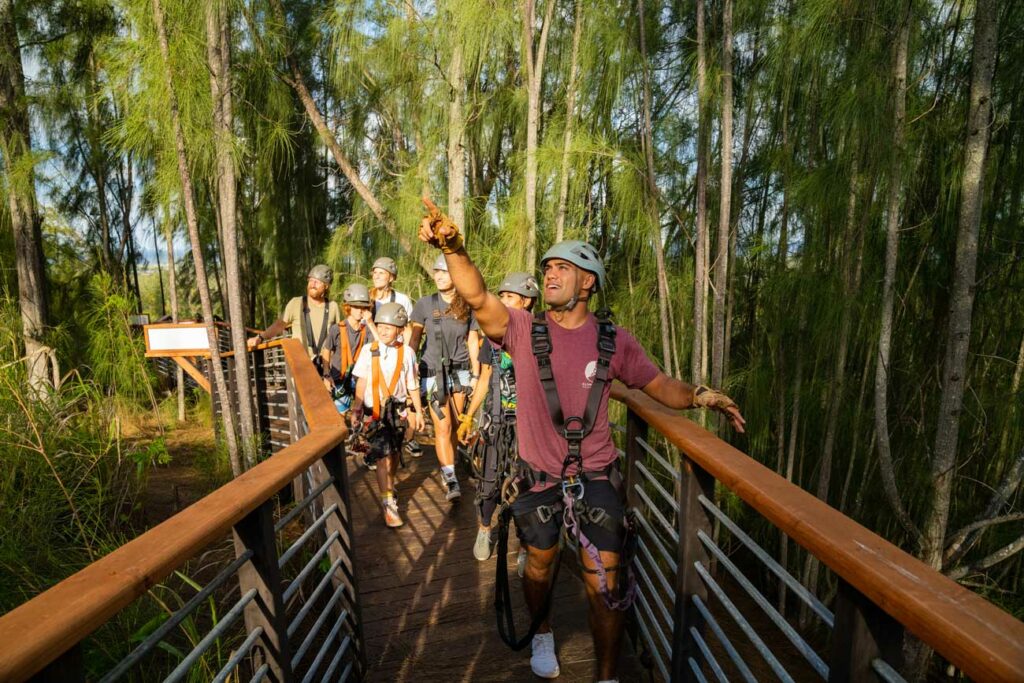
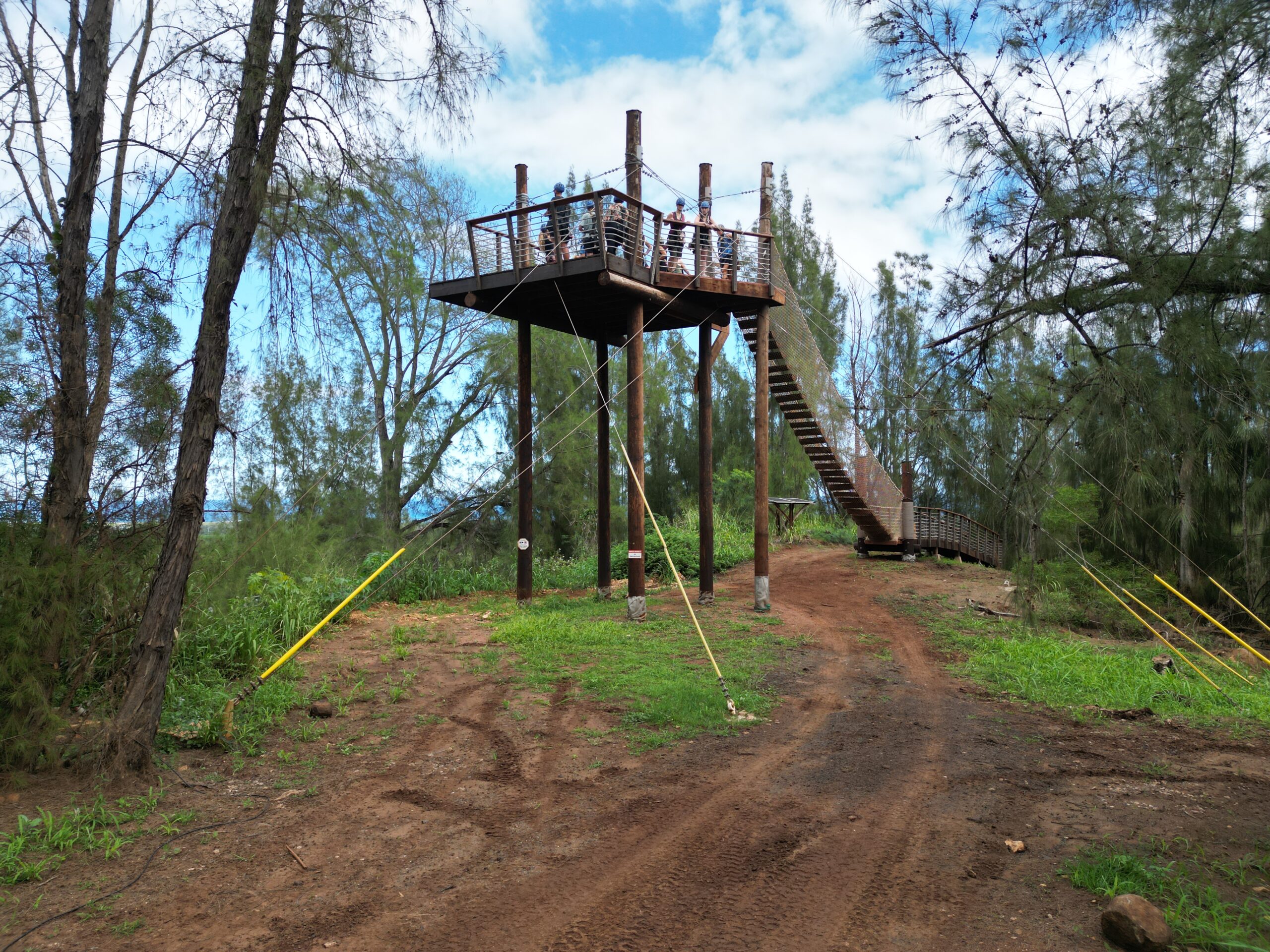
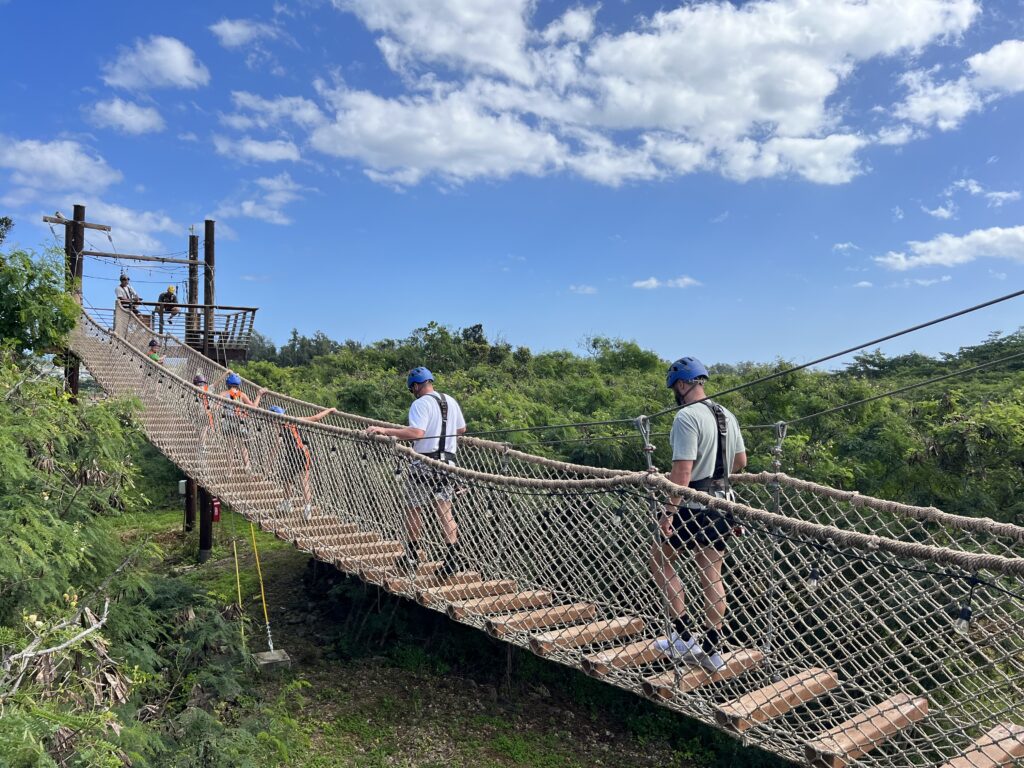
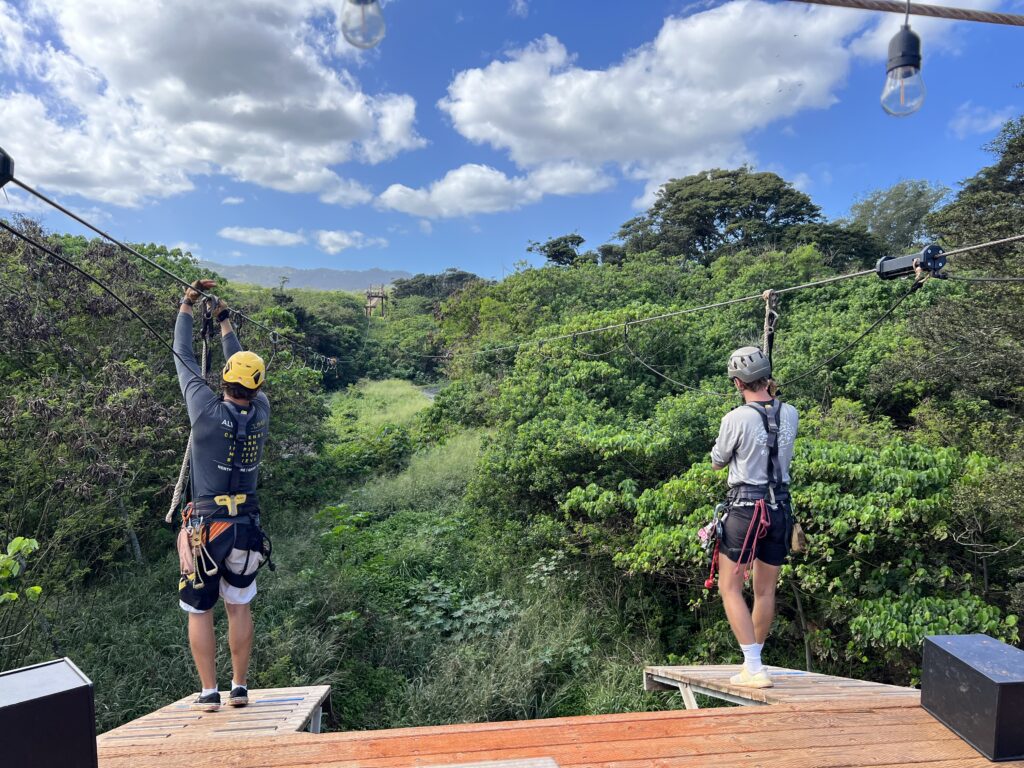
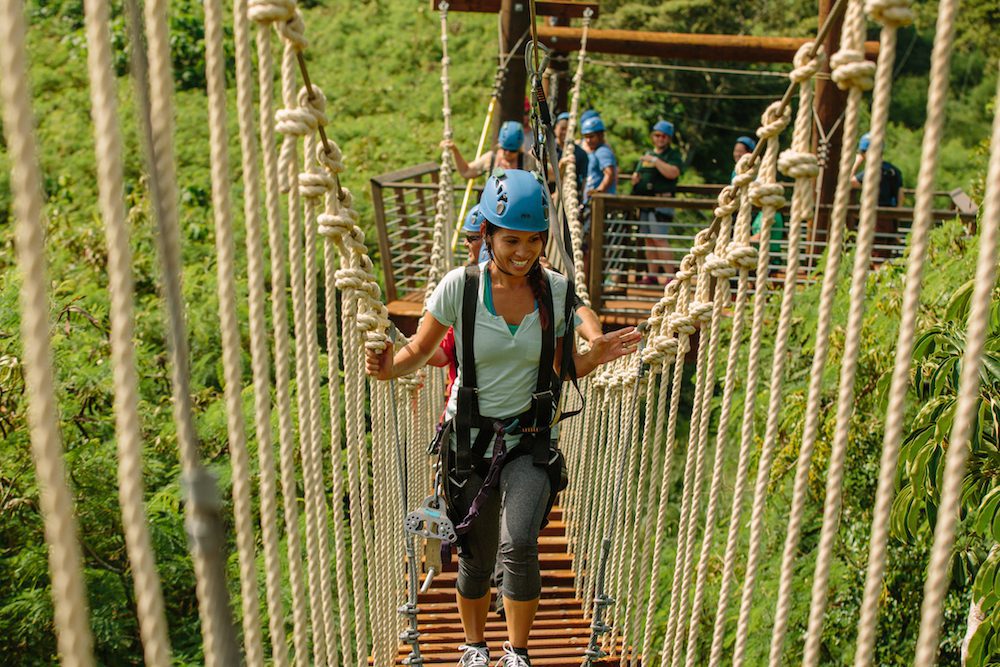
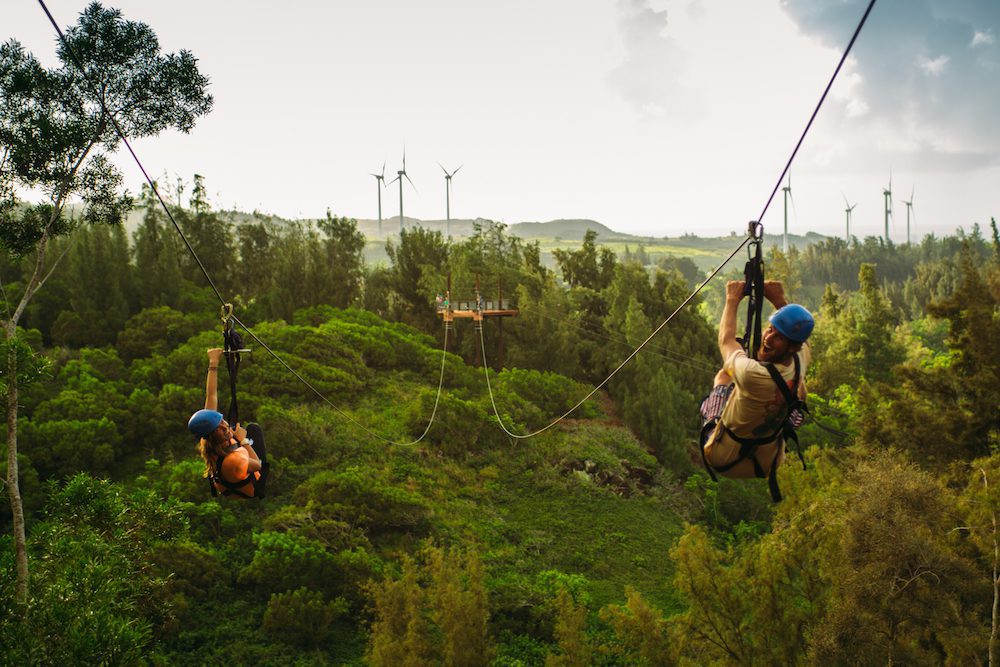
The best deal on the North Shore: We offer packages that pair a CLIMB Works zipline tour at Keana Farms with PCC admission, and the savings are real. You’ll save up to $47 per person compared to booking everything separately. That’s one of the better package deals you’ll find on the island. Morning adventure on the Ko’olau ridgeline, afternoon culture at PCC, one drive from Waikīkī. It’s the way a lot of our guests structure the day. See our current packages and pricing →
How to Plan Your Day (Hour by Hour)
The biggest mistake visitors make at PCC is arriving late and trying to rush through. Here’s the timeline we suggest:
If you’re coming from Waikīkī: Leave by 10:30–11:00 AM. The drive up the windward coast (H1 to H3 to Kamehameha Highway) takes about an hour in normal traffic, longer during morning rush.
12:30–12:45 PM: Arrive and get oriented. Parking is free. Download the PCC app for an interactive map and presentation schedule. Grab water if you didn’t bring your own (you can bring outside food and drinks, which is a nice touch).
1:00 PM: The canoe pageant. Don’t miss this. Performers from each island nation paddle down the lagoon in traditional canoes with music and choreography. It happens simultaneously in two locations. Pro tip: grab a spot early for the comfy seats and the best view.
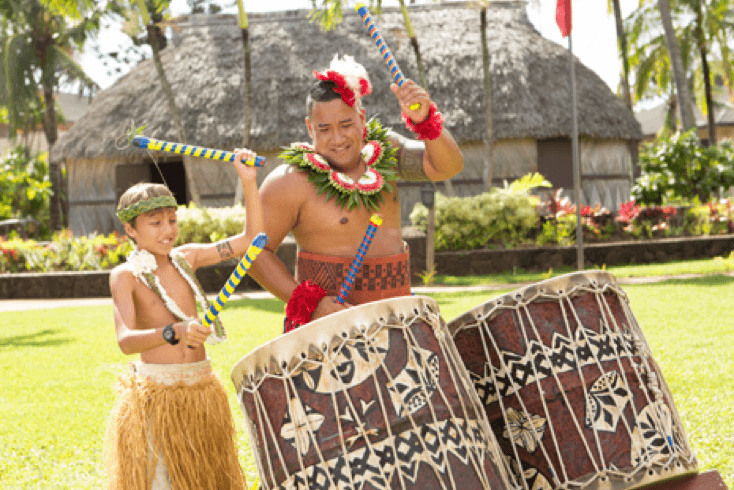
2:15 PM: Hit the villages. Cultural presentations happen on the half-hour and rotate between villages, so check the schedule and pick your starting point. Samoa and Hawaiʻi are crowd favorites for the interactive elements. Tonga’s drumming demonstration is worth catching. Don’t try to see everything, pick 3–4 villages and engage deeply rather than sprinting through all six.
3:00–4:30 PM: Finish exploring villages, browse the Hukilau Marketplace, or take a break. If you didn’t book a lūʻau package, this is a good time to eat. The sushi and Mexican trucks at the Hukilau Marketplace are both great, or head to Pounders for something more substantial.
4:40–6:30 PM: Ali’i Lūʻau (if your package includes it). The Royal Court procession, imu ceremony, and buffet dinner are all included. Make sure to check your ticket for your dinner time and arrive on time.
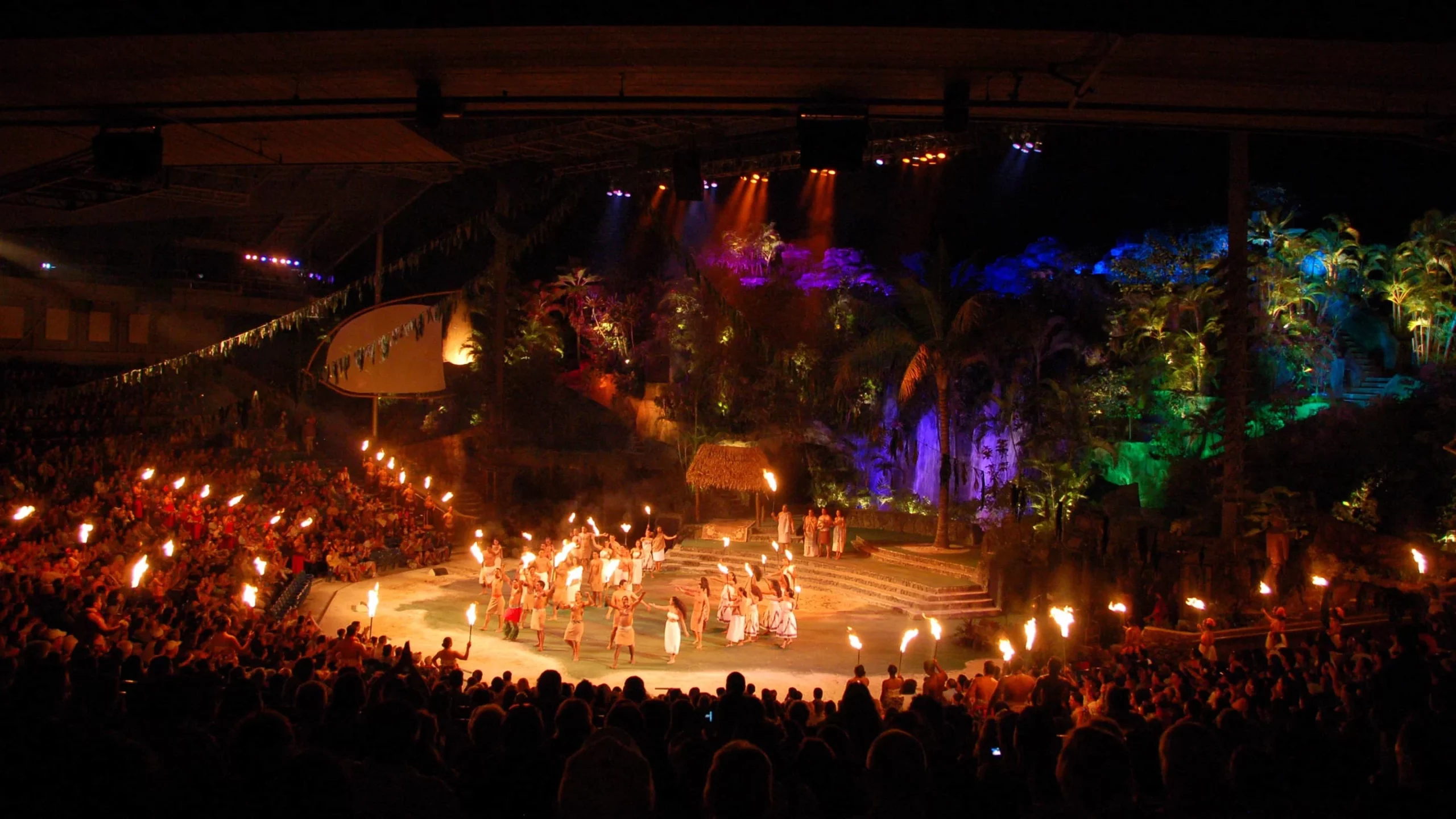
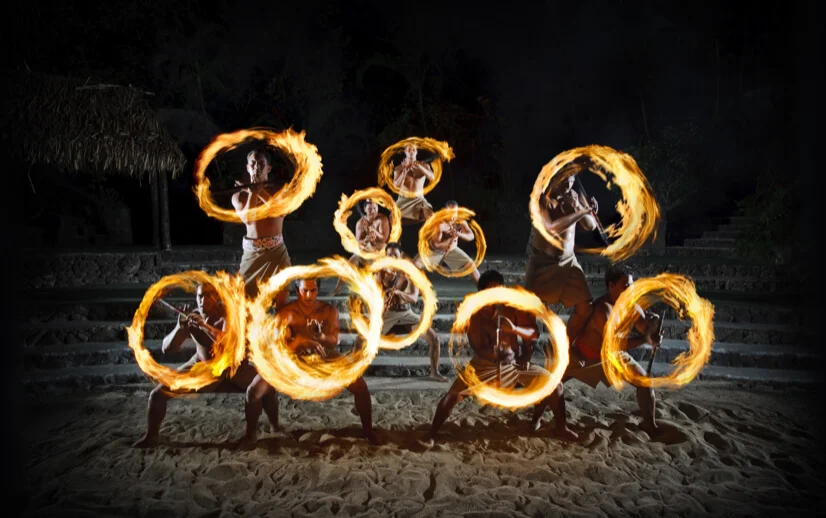
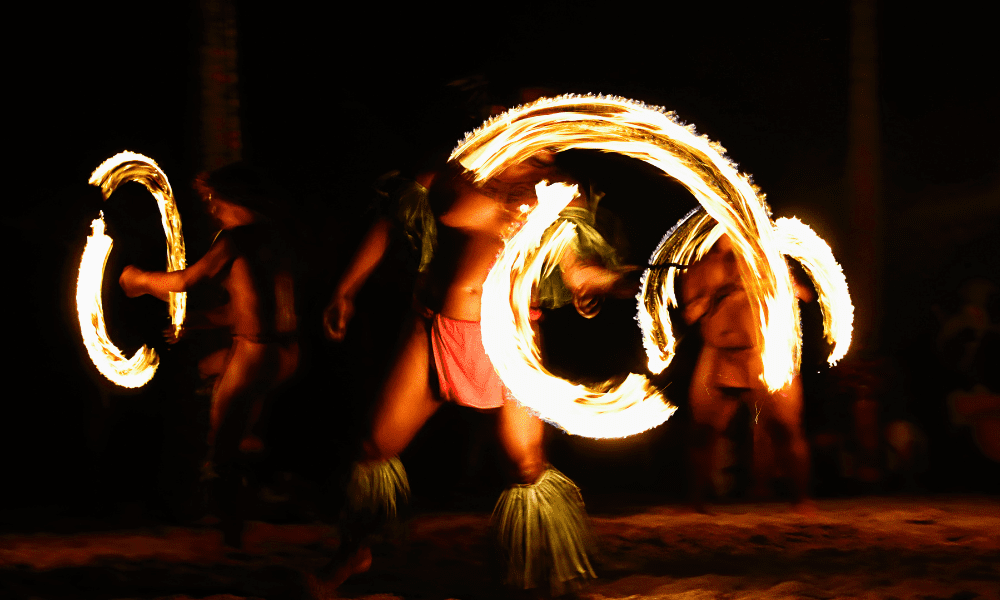
7:30–9:00 PM: Hā: Breath of Life. This is the evening show, and it’s the reason we tell everyone to stay for the full day. It tells the story of Mana through the traditions of each Polynesian culture, with music, fire dancing, and choreography that genuinely moves people. Every seat in the theater works, so don’t stress about seating level unless you want to be right up front.
9:00 PM+: The drive back. It’s dark, the highway is two lanes for much of it, and you’re tired. Take it slow. Or better yet — consider staying on the North Shore and exploring more the next day.
Tips from the North Shore
Drive or shuttle? Both work. Driving gives you flexibility to explore the North Shore at your own pace and stop wherever catches your eye. Several shuttle services run from Waikīkī hotels — convenient if you don’t want to deal with the return drive at night. If you drive, the coastal route (Kamehameha Highway through Kailua and Kāneʻohe) is more scenic than the H1/H2 freeway route, and about the same travel time.
Best time to visit PCC: Weekdays are less crowded. Shoulder seasons (April–May and September–October) tend to be the sweet spot for weather and crowds. Avoid major holidays if you can.
Pack light but smart: Comfortable walking shoes are a must — you’ll cover a lot of ground across 42 acres. Bring sunscreen (even on cloudy days; the North Shore sun is no joke), a light rain layer (the windward side gets passing showers regularly), and a refillable water bottle.
Book tickets in advance. Popular packages, especially the Ali’i Lūʻau, can sell out quickly. Booking 10+ days ahead usually unlocks a discount, and you can skip the ticket line by using the mobile ticket from your confirmation email.
The weather factor: Lā’ie is on O’ahu’s windward coast, which means it gets more rain than Waikīkī. Don’t let that deter you. The showers are usually brief and warm, and the lūʻau and evening show venues are covered. A passing rain shower with the Ko’olau Mountains in the background is honestly one of the most beautiful things you’ll see.
Why This Place Matters
It’s worth pausing for a moment on what makes Lā’ie different from the rest of O’ahu’s tourism landscape.
PCC was founded in 1963 to help BYU Hawaiʻi students earn money for their education while preserving Polynesian cultural traditions. That mission hasn’t changed. The performers sharing their culture with you are students, many from the same island nations their villages represent. When they teach you a Tongan drum rhythm or show you how to weave a coconut leaf basket, they’re passing along something real.
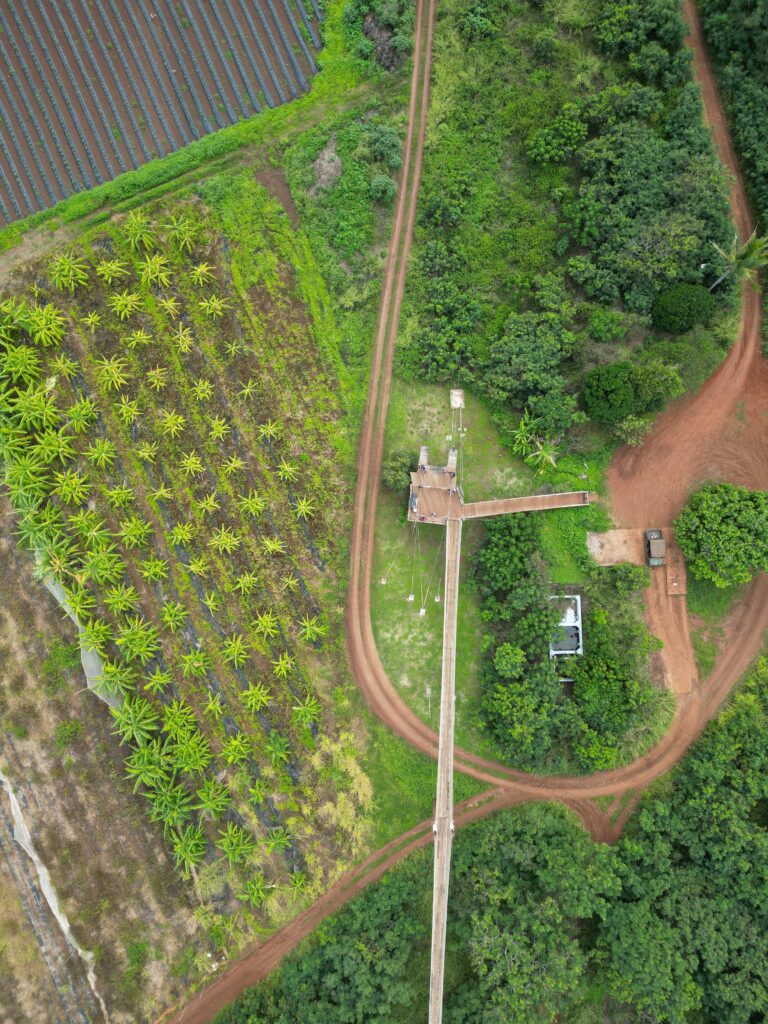
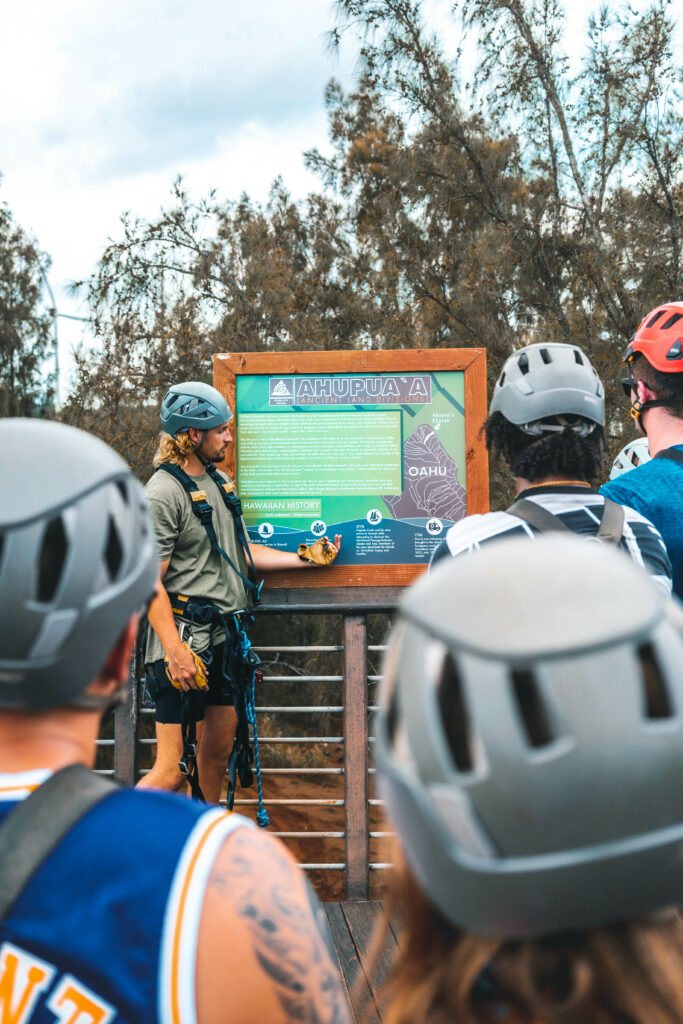
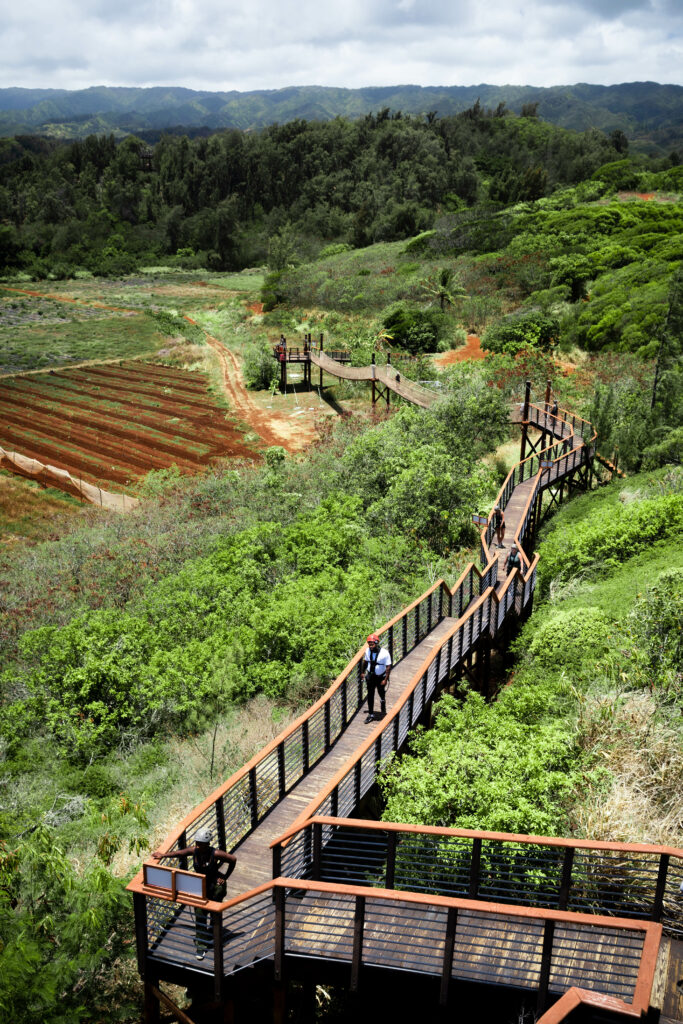
The broader Lā’ie community has a deep connection to the land. The area is part of a traditional Hawaiian ahupua’a (a land division stretching from mountain to sea). At Keana Farms in Kahuku, where we operate just up the road, that same connection shows up in the reforestation work happening across the property — replanting native species, restoring watershed, and building experiences that complement the landscape rather than displacing it. It’s not a coincidence that we ended up in the same stretch of coast as PCC. The values overlap: share the culture, respect the land, welcome everyone.
The North Shore is the side of O’ahu that most visitors don’t see enough of. The Polynesian Cultural Center is the reason many people make the drive. But once you’re out here, you realize there’s a whole stretch of coastline, a handful of small towns, and a pace of life that feels nothing like Waikīkī.
We’d love to show you our corner of it. Explore CLIMB Works at Keana Farms →
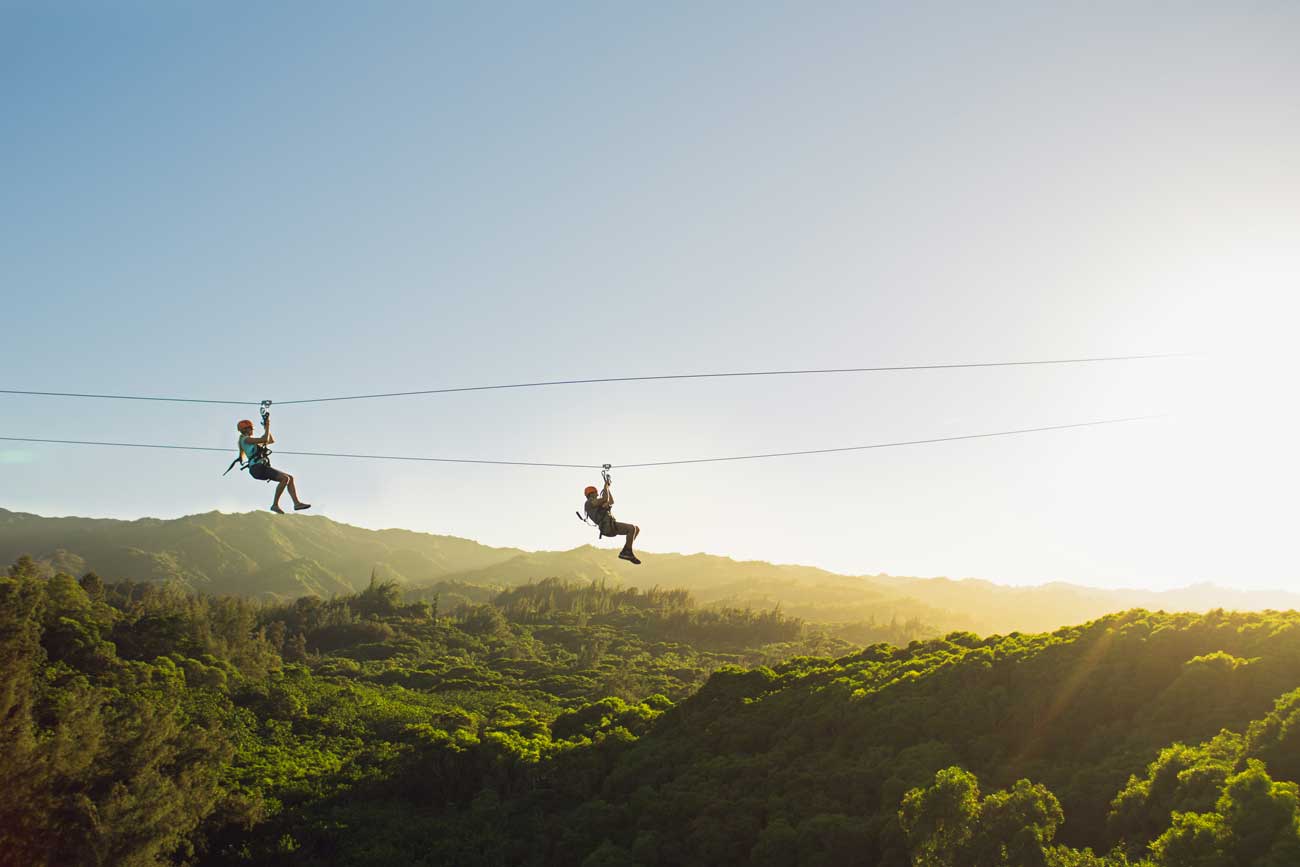
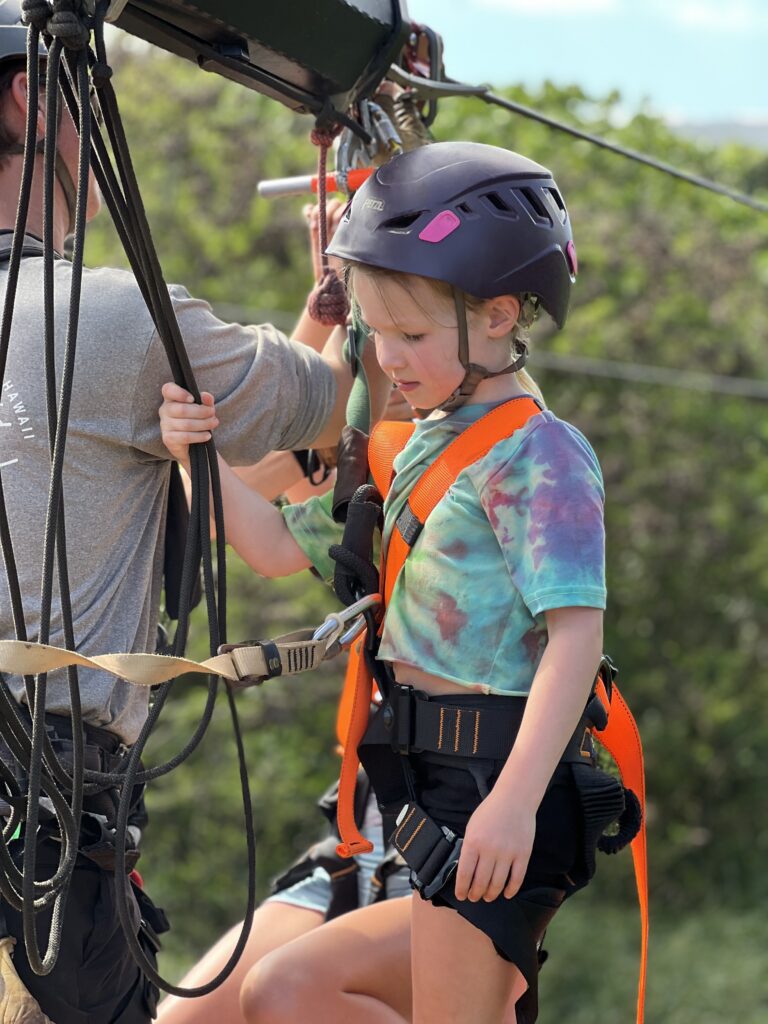
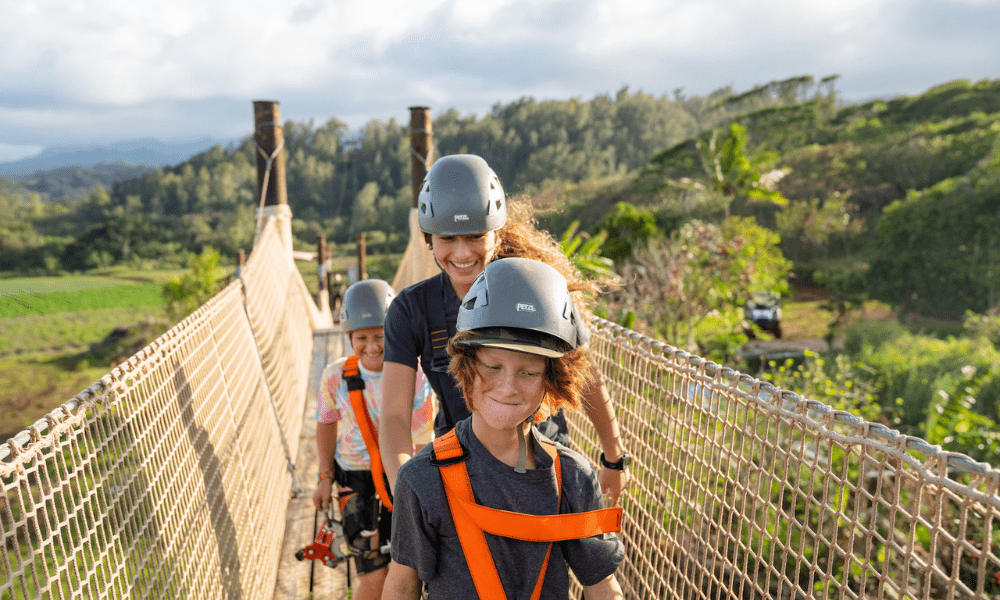
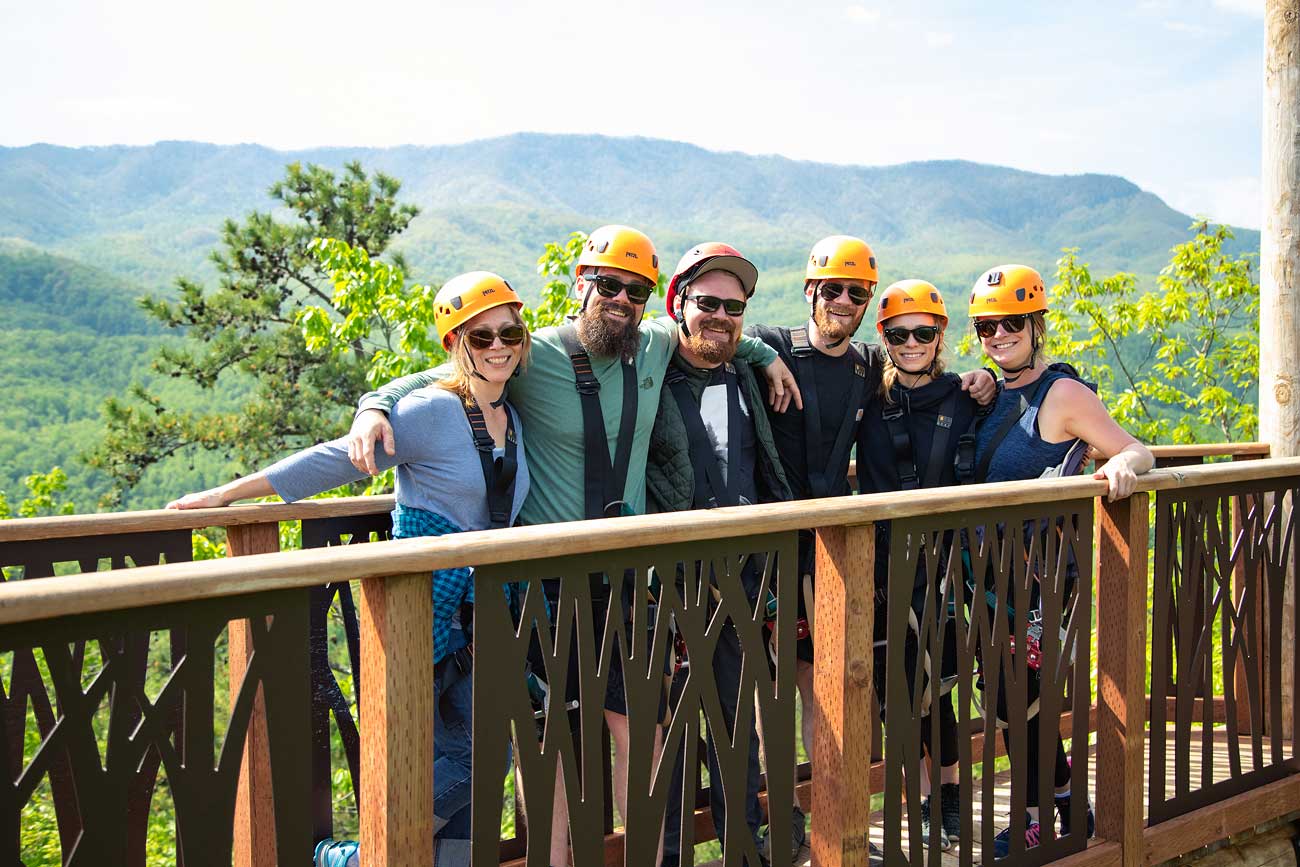
 We take pride in our CLIMB Works Ohana and welcoming our guests to our zipline family! What can start out as a fun family spring break or summer vacation can turn into an annual family tradition at CLIMB Works!