If you’re researching things to do in O’ahu with kids and wondering whether ziplining belongs on the list, you’re asking the right question. It’s not a given that every zipline course is built for families, but the CLIMB Works Keana Farms Zipline Tour in Kahuku was designed with exactly this in mind. Here’s what you actually need to know before booking.
Can Kids Go Ziplining in O’ahu?
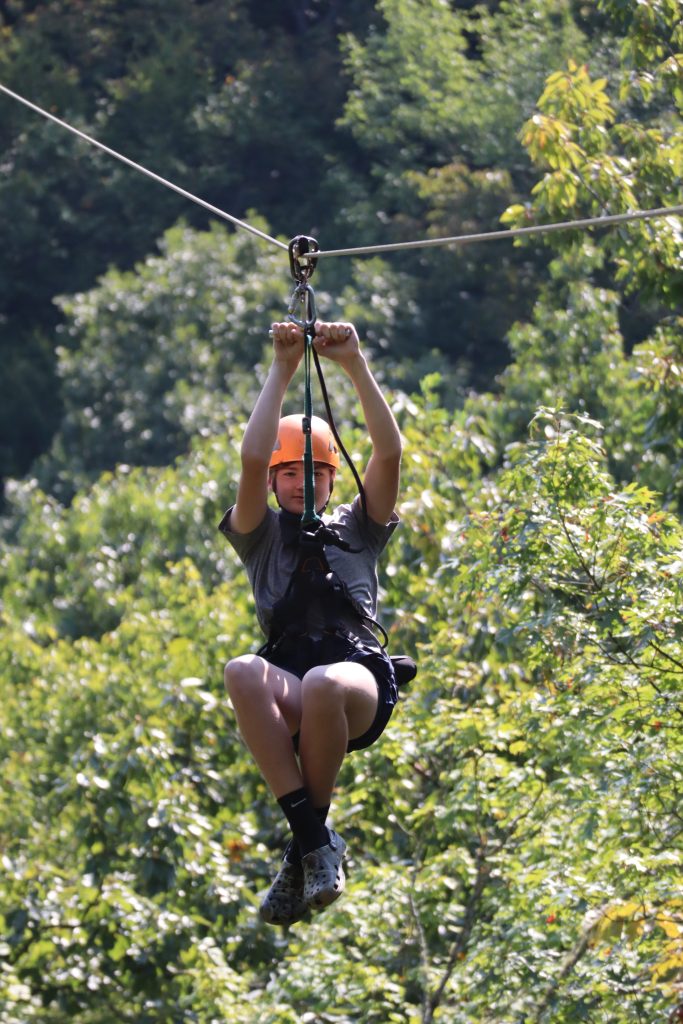
The short answer is yes, kids as young as five can zipline at CLIMB Works Keana Farms on O’ahu’s North Shore. Here are the key requirements at a glance:
- Age: 5 years or older
- Height: 42 inches minimum
- Weight: 270 lbs maximum (250 lbs if under 5’10”)
- Ages 5–14: Must have a participating adult on the tour
- Under 70 lbs: Rides tandem with a guide
That last point is worth emphasizing for parents of smaller kids. If your child meets the age and height minimums but weighs under 70 pounds, they’ll most likely ride in tandem with one of our trained guides. This is a deliberately designed safety feature that lets lighter kids experience every line without any compromise. The guide handles everything; your child just gets to enjoy the ride.
Kids aged 15 and older can participate independently, which is great news if you have a teenager who would rather not be seen doing things “with their parents” (we get it). But for the 5-to-14 range, at least one adult in the group needs to be harnessed up and on the tour, not just watching from the parking lot. Honestly, most parents who come along planning to “do it for the kid” end up having just as much fun.
Why Ziplining Is a Great O’ahu Activity for Families
There’s no shortage of things to do in O’ahu with kids. You could fill a week with beach days alone and nobody would complain. But ziplining at Keana Farms hits differently because it combines adventure, education, and scenery into a single 2.5-to-3-hour experience.
The setting matters here. Keana Farms is a working tropical farm in Kahuku on the North Shore, tucked against the Ko’olau Mountains with ocean views. This isn’t a zipline strung between telephone poles in a parking lot. Your kids will see how tropical fruit grows, taste it straight from the source, and learn about the land from guides who genuinely know the property. The educational UTV ride through the mountains is a highlight for kids who are curious about plants, animals, and how a real Hawaiian farm operates.
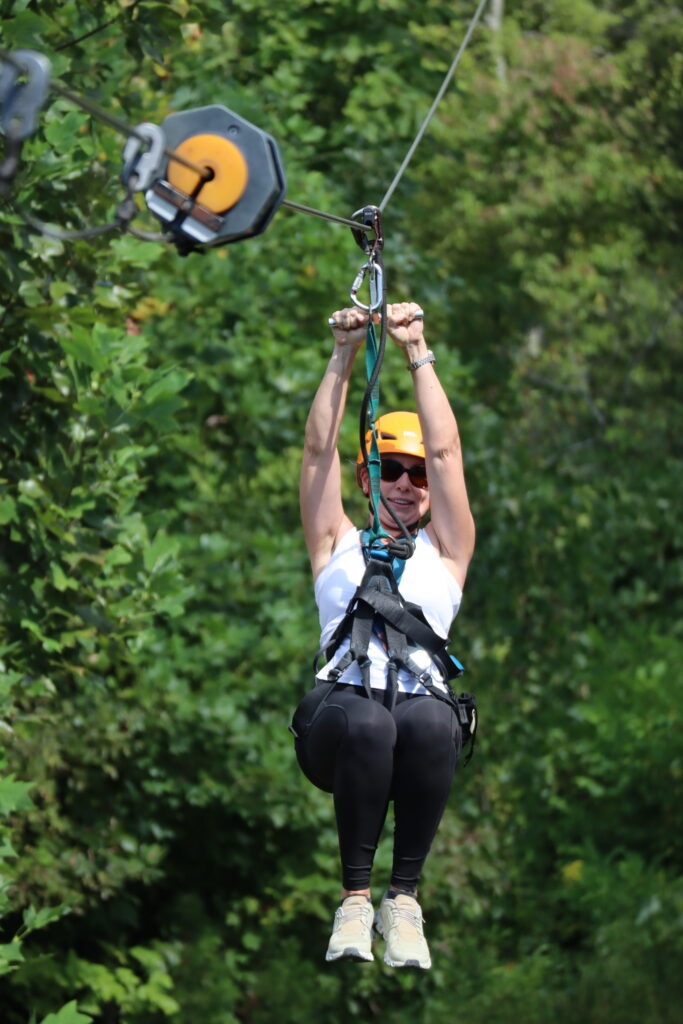
Then there’s the design detail that makes the biggest difference for families: no hand braking. On many zipline courses around the world, riders need to use a hand brake or glove to slow themselves at the end of each line. That requires upper body strength, coordination, and a willingness to follow precise instructions mid-flight, which is not exactly a five-year-old’s strong suit. Our system removes that barrier entirely. The braking is built into the line itself, so kids (and adults, for that matter) don’t need to do anything except hold on and look around. This was an intentional design choice, and it’s a big part of why we can safely welcome riders as young as five.
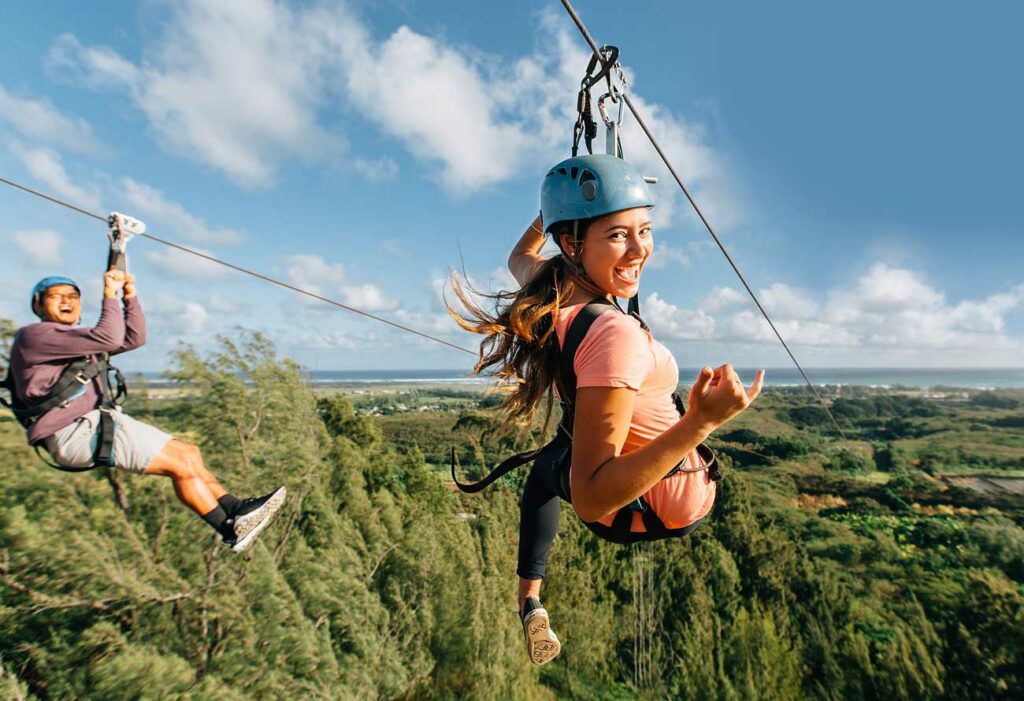
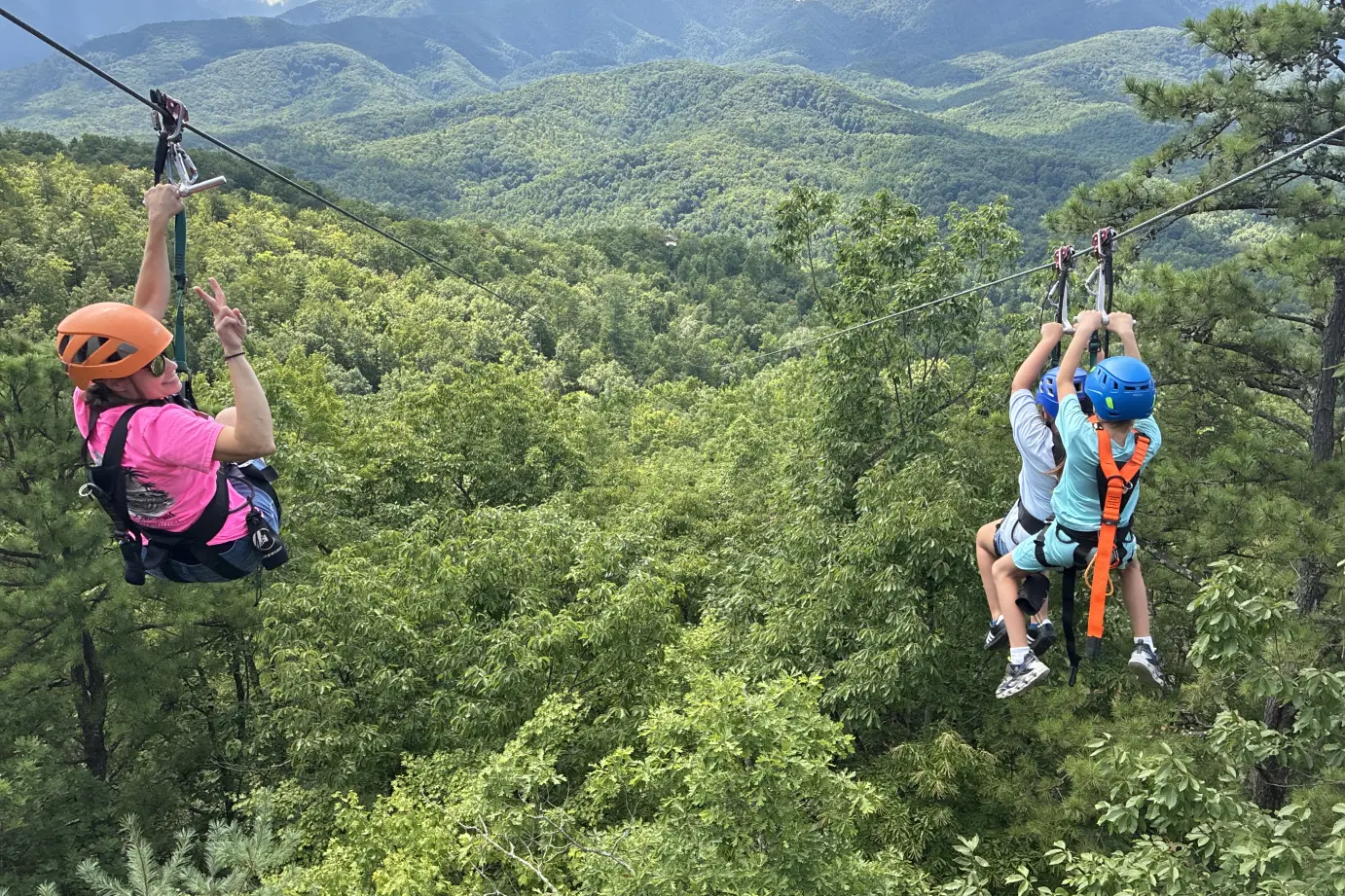
The dual side-by-side ziplines are the other piece that makes this a family experience rather than a solo one. You and your child launch from the same platform at the same time, flying on parallel lines with the Ko’olau ridgeline stretching out below you. You can see each other’s faces the whole way down. The shared reaction is genuinely one of the best parts of what we do.
Age and Weight Requirements for Kids
Let’s get specific, because this is usually the first thing parents want to nail down before they commit to booking.
Minimum Age and Height
Children must be at least 5 years old and at least 42 inches tall to participate. Both requirements must be met, so a tall four-year-old doesn’t qualify, and a six-year-old who hasn’t hit 42 inches yet would need to wait. These aren’t arbitrary numbers. They’re based on harness fit: the safety harnesses need to sit correctly on a child’s body to do their job, and below these thresholds, the fit isn’t reliable enough.
If your child is right on the borderline height-wise, it’s worth measuring them at home before you fly to Hawai’i. Measure without shoes (they’ll be in closed-toe shoes on the day, which adds a little, but the official measurement is done at check-in and needs to meet the minimum). We’d rather you know in advance than deal with a disappointed kid at the start line.
Weight Limits
The maximum weight is 270 pounds. If a rider is under 5’10”, the maximum drops to 250 pounds. This is about the relationship between body weight and harness geometry. For kids, weight comes into play at the other end of the scale: children under 70 pounds will ride tandem with a guide rather than solo. The tandem setup keeps lighter riders at a safe speed and ensures they reach the landing platform comfortably. It’s smooth, it’s fun, and kids who ride tandem still get the full experience.
Adult Accompaniment
Ages 5 through 14 need a participating adult on the tour. “Participating” means suited up, harnessed, and ziplining alongside them, not just standing at the bottom taking photos. Ages 15 and up can go without an adult, which makes ziplining a solid option for older teens looking for independence on a family trip.
We should mention the restrictions too, because transparency matters: anyone who is pregnant, has had recent surgery, or has a recurring injury that could prevent safe completion of the tour cannot participate. If you have questions about a specific medical situation, calling our team at (808) 200-7906 before booking is always the right move.
What the Keana Farms Zipline Tour Looks Like for Families
If you’re picturing a quick zip across a single line and done, the reality is quite different. The Keana Farms Zipline Tour packs 15 unique adventures into one guided experience, making it a full morning or afternoon, not a quick checkbox activity.
The Ziplines
There are 8 dual side-by-side ziplines, making this O’ahu’s longest dual zipline tour. The longest individual lines stretch up to nearly half a mile. The dual setup means two people launch simultaneously on parallel lines, which is exactly as fun as it sounds when you’re sailing next to your kid 200 feet above a tropical farm.
Beyond the Ziplines
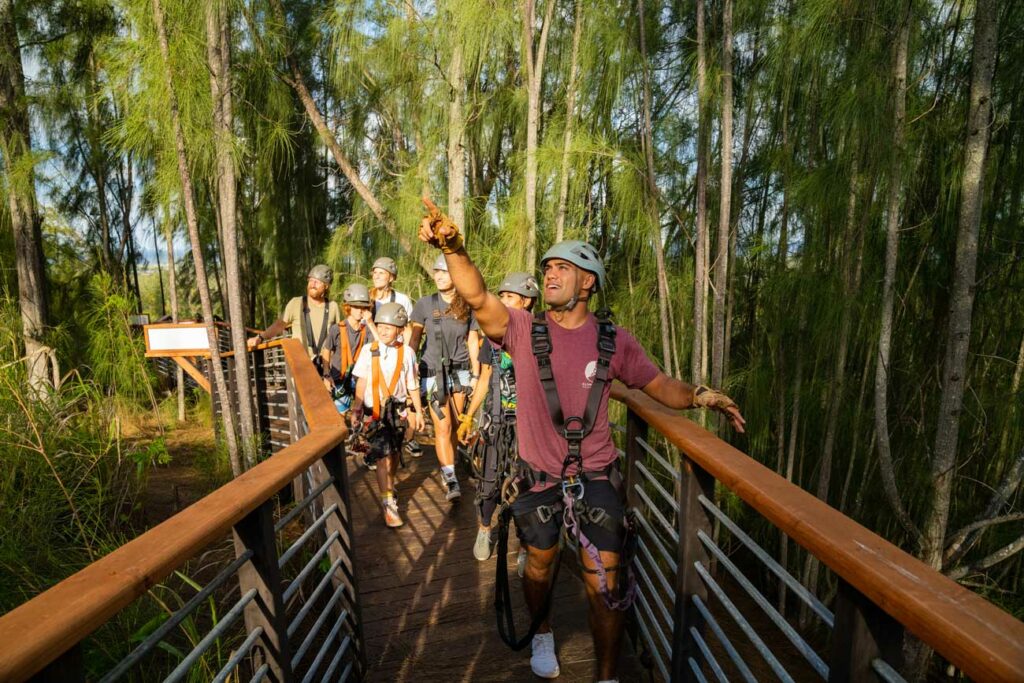
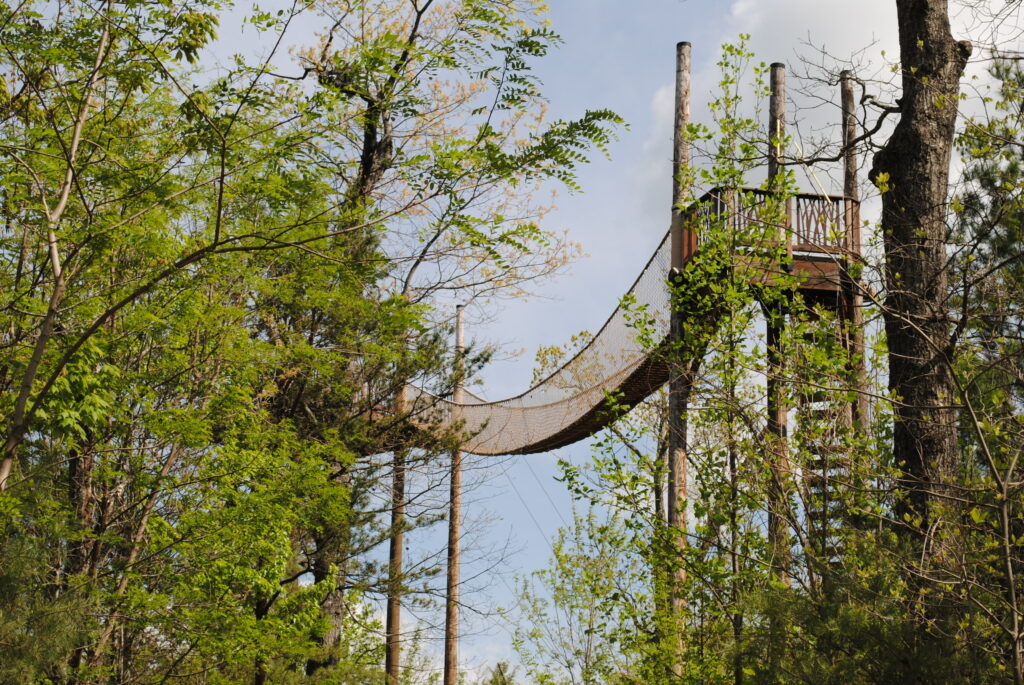
Between zipline segments, the tour includes sky bridges, elevated boardwalks, and two controlled rappels. The sky bridges are suspended between platforms in the canopy of the Ko’olau Mountains. The controlled rappels are guided descents, not free-form rock climbing, so they’re accessible even for younger participants who might be nervous about heights. Guides walk everyone through each element step by step.
The UTV Ride and Farm Experience
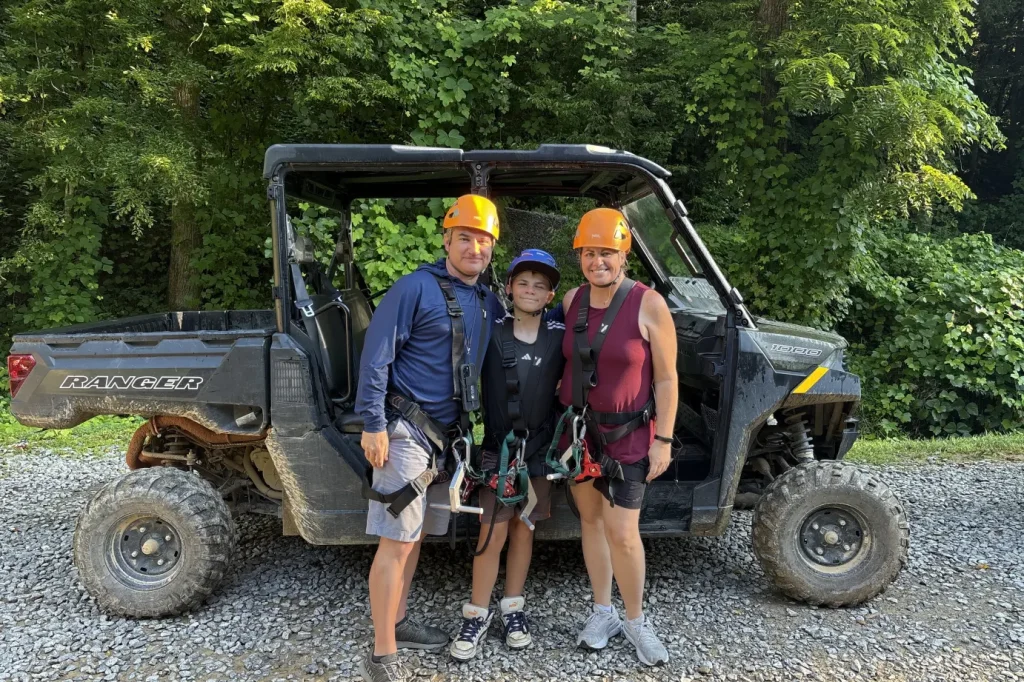
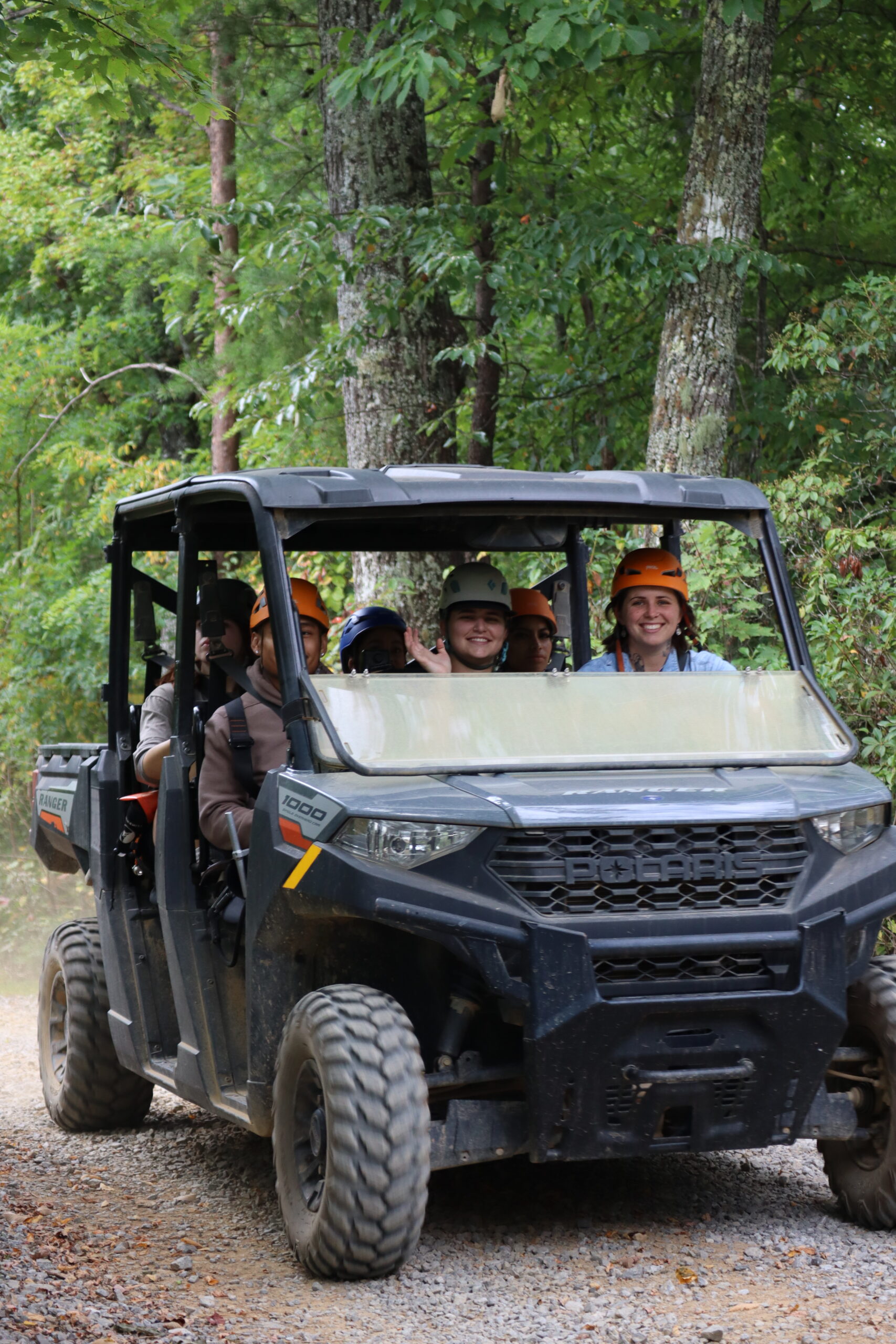
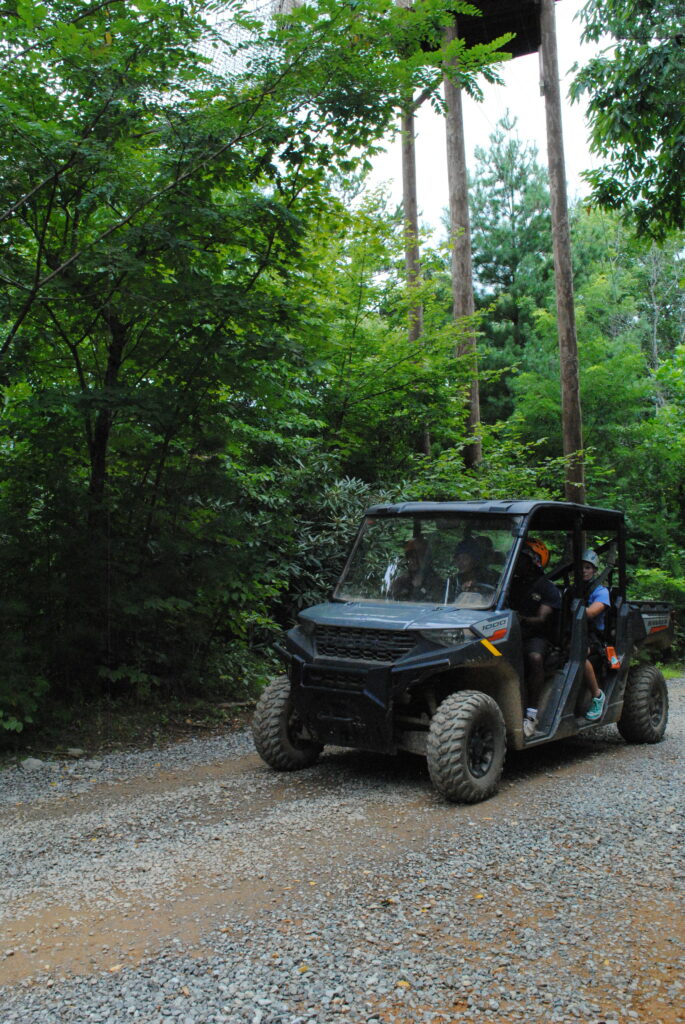
The educational UTV ride through the Ko’olau Mountains is a highlight that often surprises families. You’re riding through a working tropical farm, learning about the crops, the land, and the cultural significance of the area from guides who know it deeply. It’s a small moment in a big tour, but it’s the kind of detail kids remember. (Adults too, honestly.)
The total experience runs approximately 2.5 to 3 hours. It’s a real commitment, but it’s well-paced. We’ve been welcoming families to Keana Farms on the North Shore for years, and the tour structure accounts for the fact that younger kids need a bit more time between elements. Guides are trained specifically to work with first-time zippers, especially young ones, so they know when to encourage, when to give space, and when to crack a joke that breaks the tension.
Booking Tips and What to Know Before You Go
A few logistics that’ll make your planning easier:
Reservations are strongly encouraged. Walk-ins are not guaranteed, and during peak travel seasons (summer, winter holidays, spring break), tours fill up. If you know your dates, book early. You can reserve online 24/7 at any time, or call (808) 200-7906 during business hours if you have questions about your specific family’s situation.
Operating schedule: Open year-round, Monday through Saturday. Closed Sundays. If your O’ahu itinerary only has Sunday availability, you’ll need to shuffle things around.
Bathrooms are available at check-in only. This is critical intel if you’re traveling with a five-year-old. There are no restroom facilities once the tour begins, as the course is out on the mountain, so make sure everyone uses the bathroom before you gear up. We cannot stress this enough with young kids. Build in an extra five minutes for the inevitable “I don’t need to go” that becomes urgent 20 minutes later.
Cancellation policy: If you cancel 48 or more hours before your tour, you’ll receive a full refund or the option to reschedule. Within 48 hours, the booking is final, no refunds. This is a firm policy, so build in a buffer when planning around flights.
Weather: The tour operates rain or shine. Quick Hawaiian rain bursts are completely normal on the North Shore. They blow through fast and honestly make the ziplines more fun. Tours only close for thunderstorms, which are rare. If a weather cancellation does happen, you’ll receive rescheduling options, a voucher, or a full refund.
Is Ziplining Safe for Kids? What Parents Often Ask
Let’s address this head-on, because it’s the question underneath every other question. You’re not just wondering if your kid can go ziplining, you’re wondering if they should.
The safety framework at CLIMB Works starts with the equipment design. The no-hand-brake system means there’s no point during the tour where your child’s safety depends on their own coordination, strength, or decision-making. The lines are engineered to control speed and bring riders to a stop without any input from the rider. This is the single biggest difference between our course and zipline operations that require manual braking, and it’s the reason we can confidently welcome five-year-olds.
Every tour group is led by trained guides who are experienced specifically with young and first-time zippers. They’re not just clip-and-go operators; they read body language, know when a kid needs extra encouragement at a platform edge, and understand how to explain each element in a way that’s clear without being condescending. For kids aged 5 to 14, the adult accompaniment requirement adds another layer: your child always has both a guide and a familiar adult present.
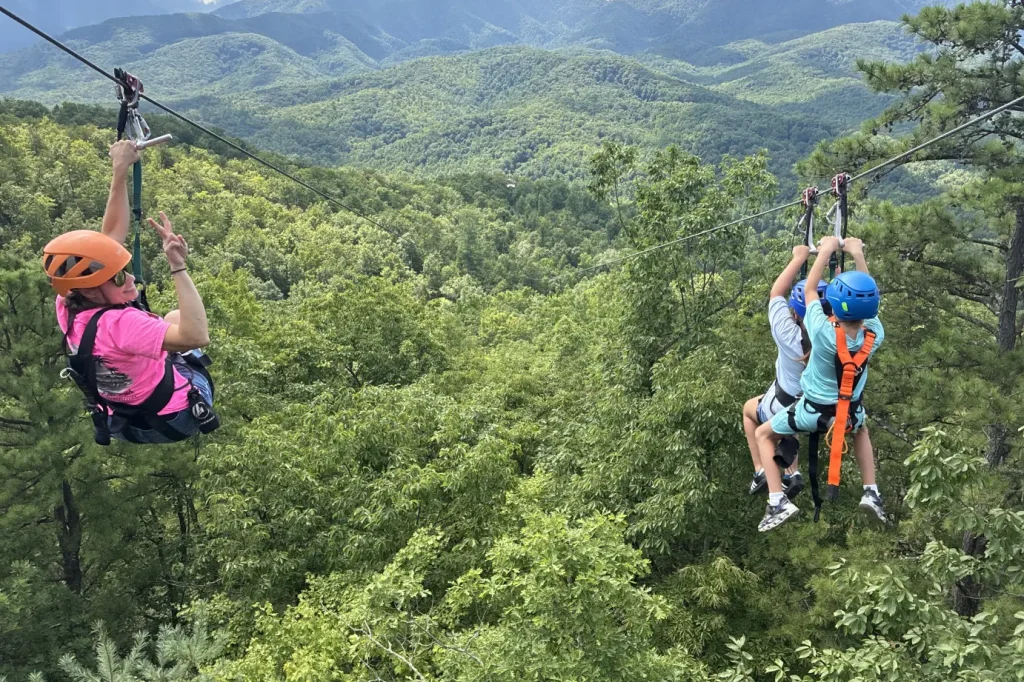
The tandem system for kids under 70 pounds is another safety layer. Rather than sending a lighter child solo and hoping the physics works out, the tandem setup pairs them with a guide who manages the ride. The child’s experience doesn’t suffer, they’re still flying the same line, seeing the same views, but the weight dynamics are handled by a professional.
Your Kid Can Handle It (You Might Be the Nervous One)
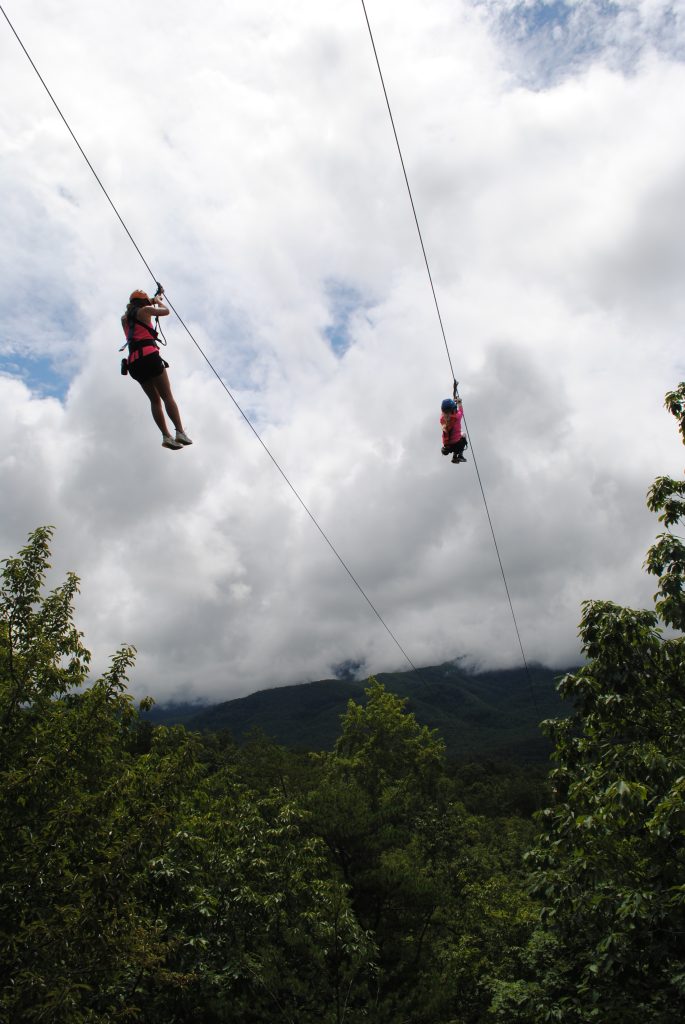
Here’s what we’ve learned from years of watching families come through Keana Farms: kids are braver than their parents expect. The five-year-old who was quiet at the first platform? She’s talking about it at dinner. The twelve-year-old who said “this is so lame” in the parking lot? He’s asking to go again. The parent who almost canceled because they were worried? They’re the one tearing up at the landing platform because they just flew across a mountain valley next to their kid.
Should you be nervous? Honestly, a little. That’s normal. But the nervousness almost always lives with the parent, not the kid. Children tend to adapt to the experience faster than adults expect. By the second or third zipline, most kids are fully in the groove, chatting with guides, and asking how much longer until the next one.
If you’re building your list of things to do in O’ahu with kids and you want something that’s adventurous without being reckless, educational without being boring, and genuinely fun for everyone from age 5 to 75, the Keana Farms Zipline Tour is worth the drive. Book your family’s tour online whenever you’re ready, or call us at (808) 200-7906 if you want to talk through your specific crew’s needs. We’ll be up on the mountain. Book your family adventure today.