CLIMB Works

Best Hikes in Gatlinburg Without the Crowds

This image is by CLIMB Works.

If you’ve ever pulled into the Sugarlands Visitor Center parking lot on a Saturday in June and thought, “Well, this was a mistake,” you’re not alone. The Great Smoky Mountains National Park draws over 12 million visitors a year, making it the most visited national park in the country by a wide margin.

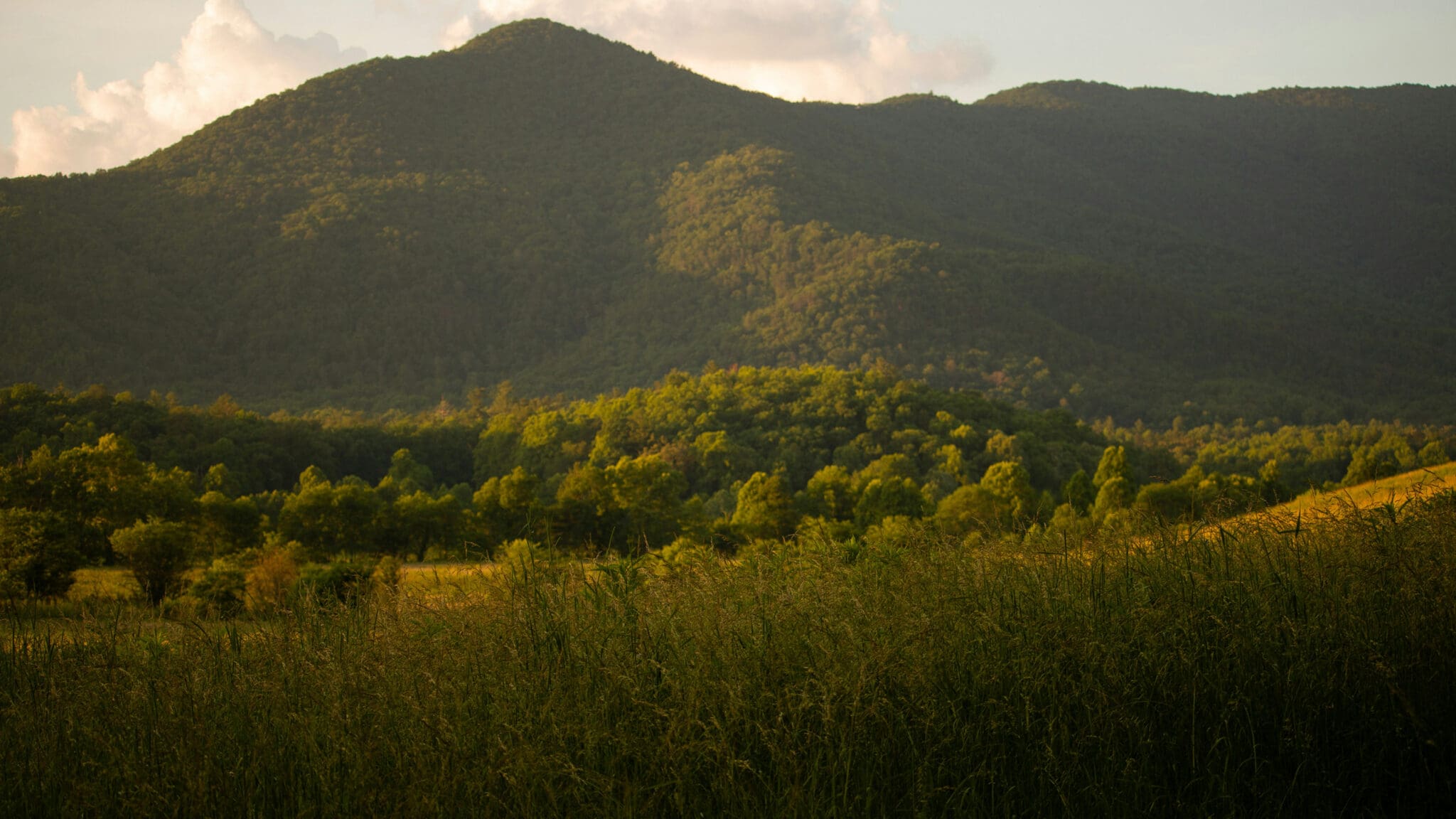
Here’s the thing: finding the best hikes in the Smoky Mountains isn’t really about finding secret trails nobody knows about. (Those don’t really exist anymore, thanks to Instagram.) It’s about knowing which trails thin out quickly, which trailheads to hit at the right time, and which overlooked routes deliver the same jaw-dropping views without the conga line.

We’ve spent years on this mountain, and we have opinions. Some of them might surprise you.

Why Are the Popular Trails So Crowded?

Before we send you off the beaten path, it’s worth understanding what makes a trail crowded in the first place. The usual suspects, like Laurel Falls, Alum Cave, Clingmans Dome, are popular for good reasons. They’re well-maintained, relatively accessible, and they deliver dramatic payoffs.

But the Smokies contain over 800 miles of maintained trails. Eight hundred. Most visitors stick to the same 10 or 15 of them, which means the vast majority of the park is significantly quieter than what you see on the main arteries.

The trick is being willing to drive a little farther, start a little earlier, or accept a trail that’s “just” beautiful instead of bucket-list famous.


Practical Tips for Avoiding Crowds on Any Trail

Even the popular trails have windows of relative quiet. A few strategies that consistently work:

Start Early

Most visitors don’t hit the trailhead before 10AM. If you’re parked and walking by 7:30, you’ll have one to two hours of relative peace on even the busiest trails. Yes, this means setting an alarm on vacation. We know. It’s worth it.

Go on a Tuesday or Wednesday

Weekend traffic in the Smokies is roughly double weekday traffic. If your schedule allows any flexibility at all, save the hiking for midweek and do your Gatlinburg downtown exploring on the weekend.

Embrace the “Bad” Weather Days

A forecast of light rain keeps a remarkable number of people indoors. If you’ve packed a decent rain jacket and don’t mind getting a little damp, an overcast drizzly day in the Smokies is actually gorgeous. You’ll see the fog settles into the valleys, the creeks are more full, and the forest smelling just like it’s supposed to.

(Just keep an eye on conditions. Heavy rain means slippery rocks and potentially dangerous creek crossings.)

Use the Park’s Traffic Maps

The National Park Service has real-time traffic data on their website and app. Check it before you leave your cabin. If Sugarlands looks packed, reroute to Greenbrier or Cosby. Flexibility is your best friend.

Our Favorite (Low-Traffic) Hikes:

1. Porters Creek Trail

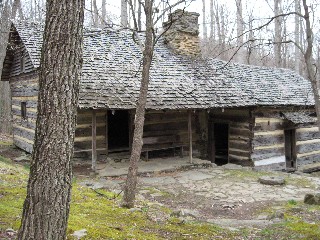
One of our favorites trails in the park, Porter’s Creek Trail, will take you on a journey through some of the parks’ oldest infrastructure. The first mile passes old stone walls, a historic cantilever barn, and the Smoky Mountains History Association cabin.

In spring (late March through April), the wildflower display along this trail is legitimately one of the best in the entire park, with trillium, phacelia, violets, and dozens of others carpeting the forest floor.

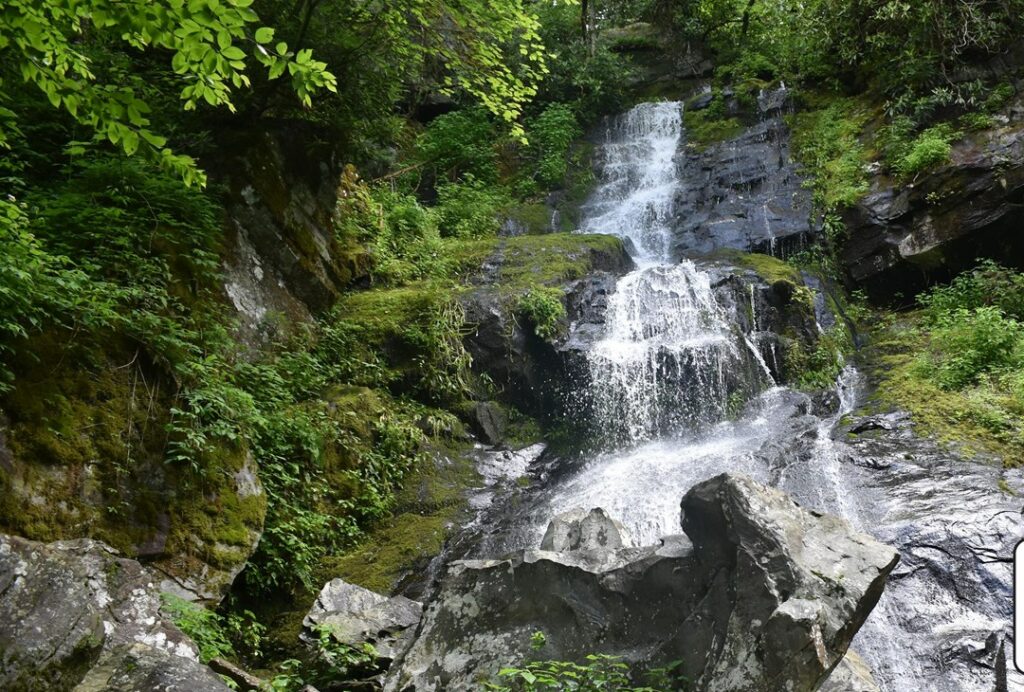
Keep going and you’ll reach Fern Branch Falls at about 2 miles in, a delicate 40-foot cascade that most people have entirely to themselves on weekday mornings.

CLIMB Works

Distance: 7.6 miles round trip (or just 2 miles to the old homestead)

Difficulty: Easy to moderate

Trailhead: Greenbrier area, about 20 minutes east of Gatlinburg on US-321

Parking note: The Greenbrier road is narrow and gravel. It’s not rough, but it’s not a highway either. Get there before 10 AM on weekends, or go on a weekday and you’ll practically have it to yourself.


2. Hen Wallow Falls Trail

Hen Wallow Falls is a 90-foot waterfall at the end of a 2.2-mile trail that climbs about 900 feet through a gorgeous hardwood forest. The trail is well-maintained and straightforward; just a solid walk in the woods with a real reward at the end.

It’s located in Cosby, which is the “quiet side” of the Smokies. The 45-minute drive from Gatlinburg keeps the day-tripper crowd away, but if you’re looking for one of the best hikes in the Smoky Mountains that actually feels like wilderness, the drive is absolutely worth it.

CLIMB Works

Distance: 4.4 miles round trip

Difficulty: Moderate (steady uphill on the way in, which means easy on the way back)

Trailhead: Gabes Mountain Trail, starting from the Cosby Campground area, about 45 minutes from Gatlinburg

3. Brushy Mountain Trail

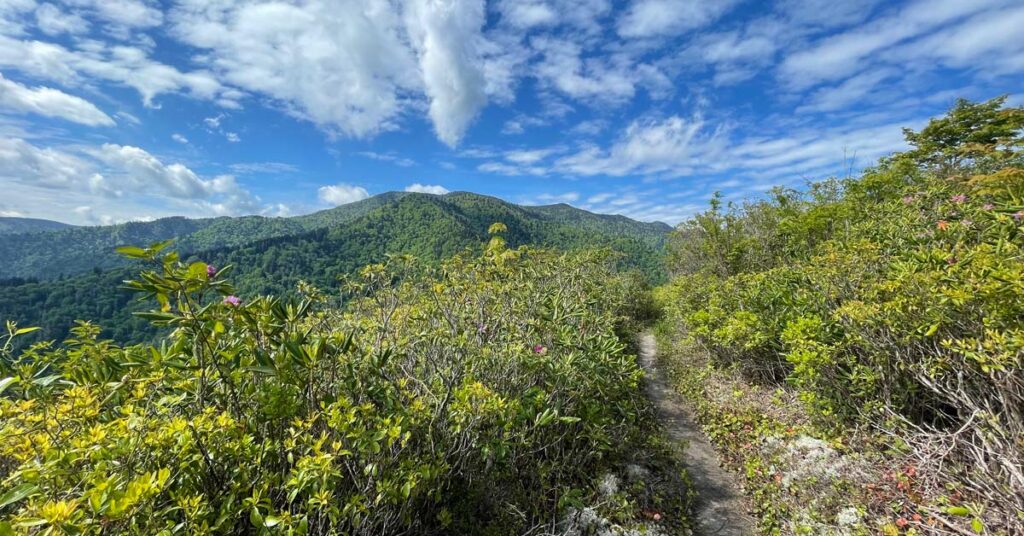
Okay, this one earns its solitude the honest way — it’s long, it climbs over 2,800 feet, and the summit isn’t a bald with panoramic views. It’s a heath bald with limited but unique vistas and the kind of deep-woods quiet that makes you realize you haven’t heard a human voice in two hours.

You’ll pass through Porters Creek first (see above), so you get the wildflowers and the waterfall as a bonus on the way in.

CLIMB Works

Distance: 11.2 miles round trip (via Porters Creek Trail and the Brushy Mountain spur)

Difficulty: Strenuous

Trailhead: Same Greenbrier entrance as Porters Creek

The Laurel Falls Question

We should address this because you’re probably wondering. Laurel Falls is the most popular trail in the entire park, and after a two-year renovation, it reopened in spring 2026 with a fully paved walkway and a new viewing platform. At 2.6 miles round trip, it’s a genuinely beautiful and now more accessible hike.

Is it crowded? Yes, especially midday from May through October. Is it still worth doing? Also yes — particularly if you go early (before 8:30 AM) or late (after 4 PM). The new improvements have made the experience better, even with the crowds.

But if you’re specifically looking for solitude, the trails above will serve you better.

A Note on Trail Etiquette

The reason these quieter trails stay nice is because the people who seek them out tend to be the ones who pack out their trash, stay on the trail, and let other hikers pass with a nod and a “morning.” Be that person. The Smokies are loved almost to death in some spots, the quiet corners stay quiet partly because the people who find them treat them well.

The Best Way to See the Forest From Above

CLIMB Works

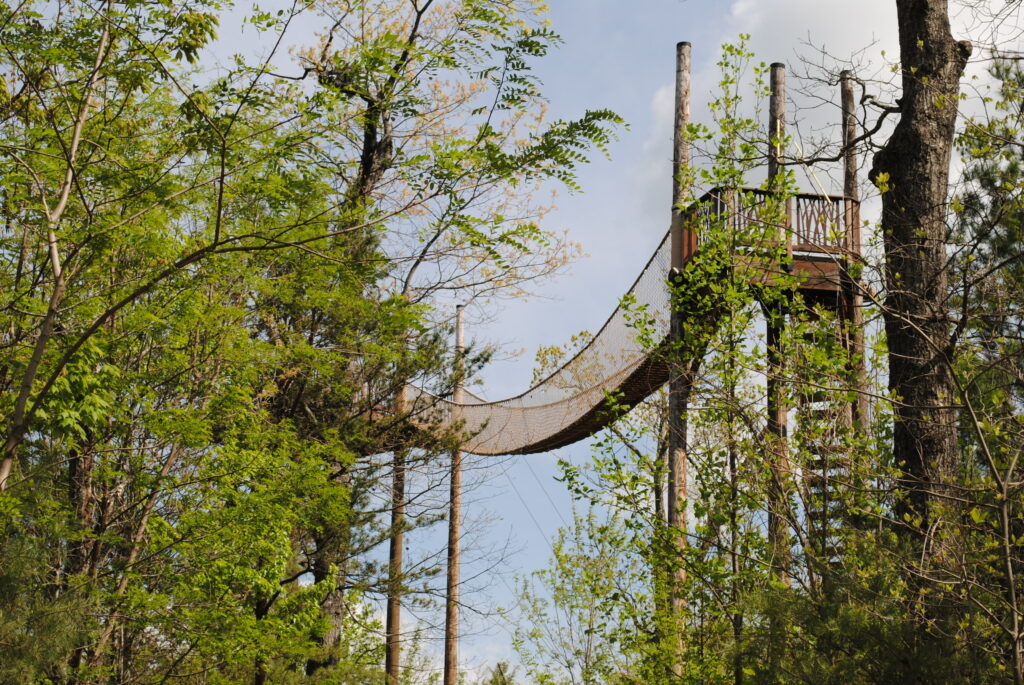
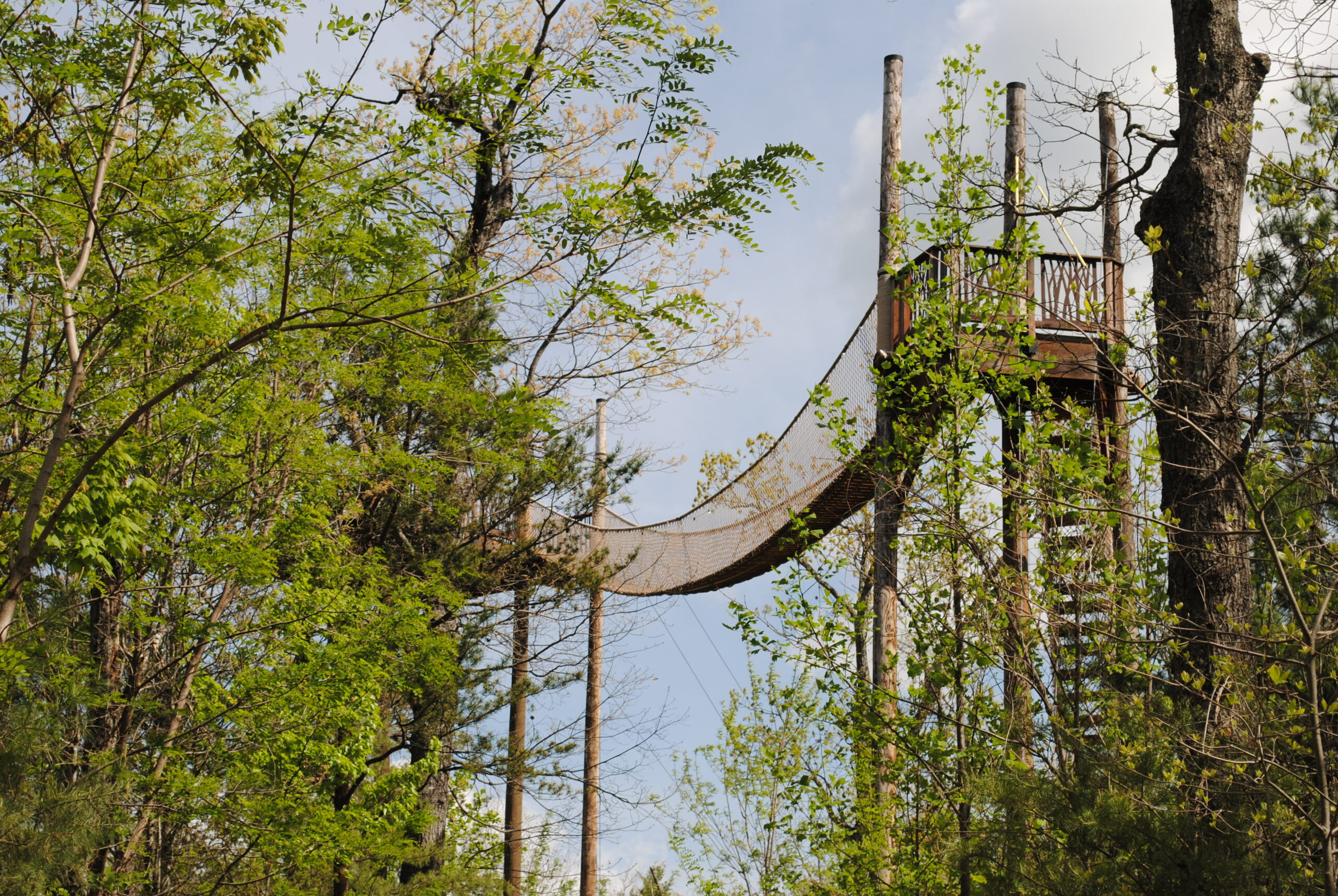
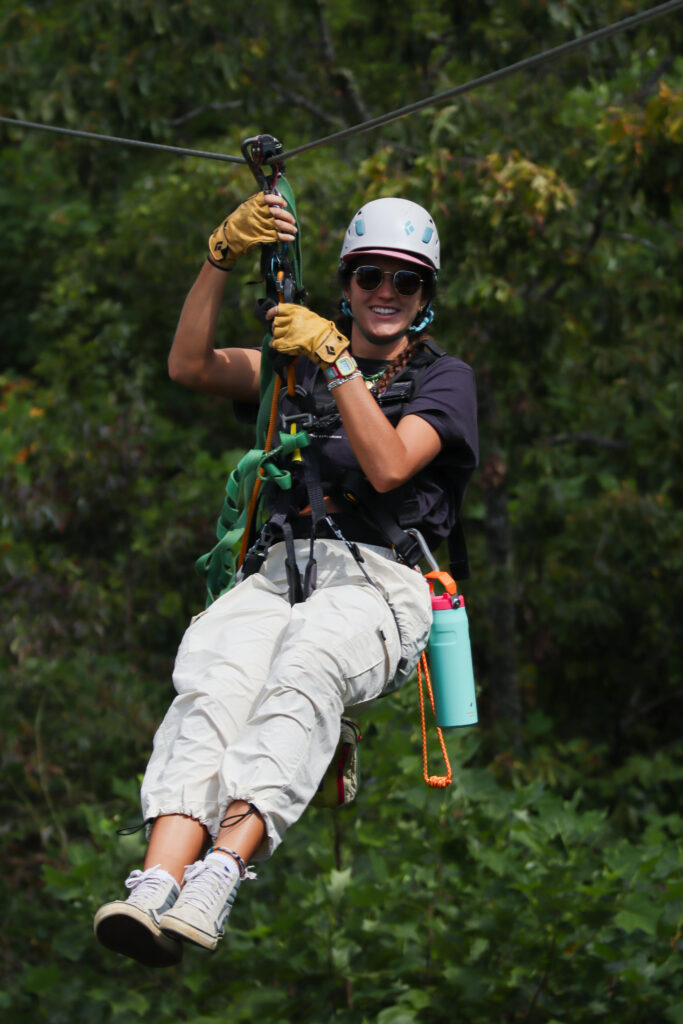
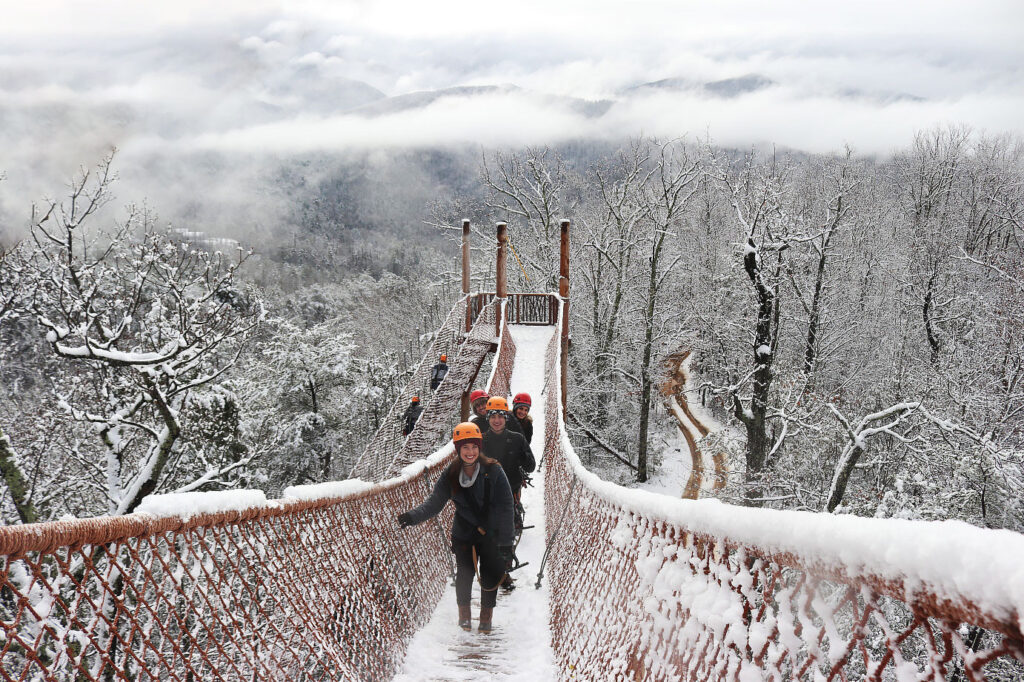
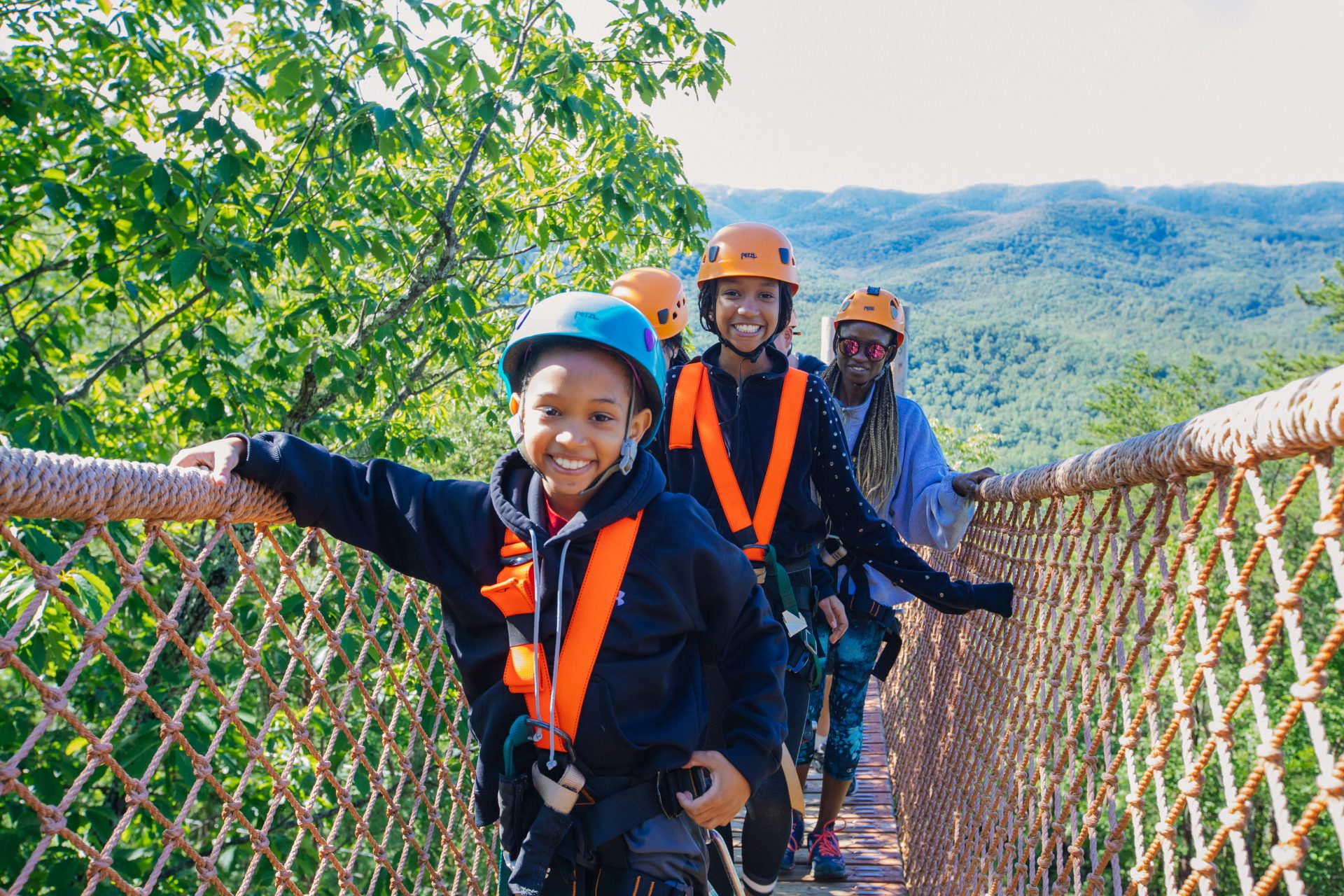
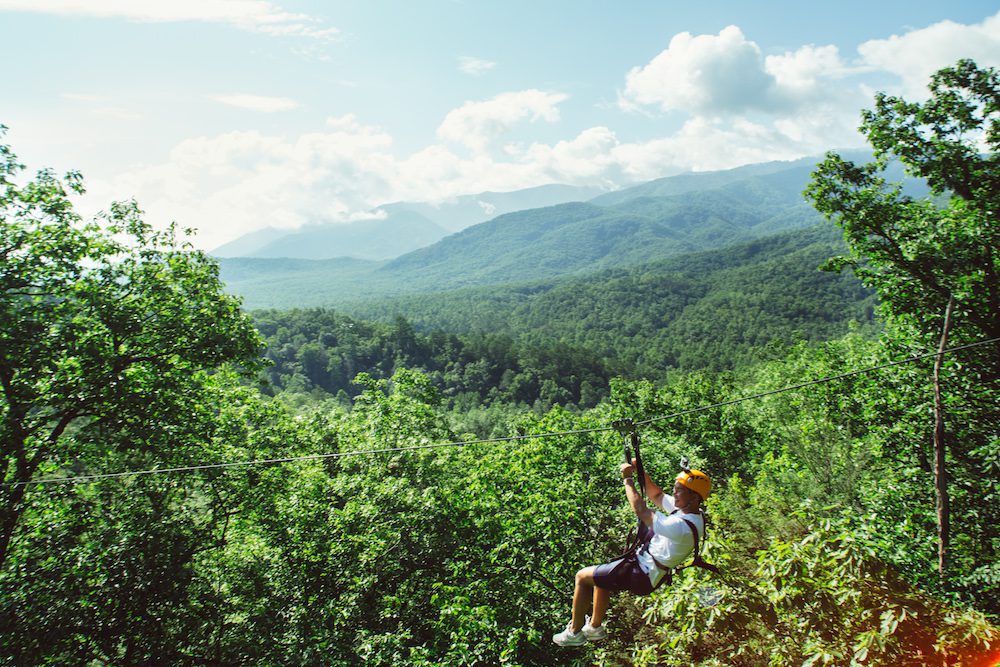
After spending a day on the trails, there’s something to be said for seeing the Smokies from a completely different perspective. Our Mountaintop Zipline tour at CLIMB Works Smoky Mountains takes you across six ziplines, three sky bridges, and finishes with a rappel — all while looking down at the same forest canopy you just hiked through. It’s a different kind of connection with these mountains, and at 150 feet up, you’ll notice how the ridgelines stack up in a way you can’t appreciate from the trail.

We run rain or shine (we only pause for lightning or high winds), so it pairs well with just about any hiking itinerary. Plus, after a long day on the trail, there’s something deeply satisfying about letting gravity do the work for a change.

CLIMB Works

A Look at CLIMB Works’ Sustainable Practices

This image is by CLIMB Works.

The Great Smoky Mountains see more visitors than any other national park in the country, with over 13 million a year. That means every business operating near the park has a choice: treat the landscape as a backdrop for ticket sales, or treat it as something worth protecting because it’s literally in your backyard. At CLIMB Works, we don’t have to think about eco tourism in abstract terms. Our address is 155 Branam Hollow Rd, Gatlinburg, TN 37738, and we’re surrounded on three sides by national park land. The forest isn’t a marketing asset for us, it’s across the street. It’s the air our guests breathe on the Mountaintop Zipline Tour, the view from every platform, and the reason any of this works in the first place.

This guide breaks down what eco tourism actually means, why the Smokies demand it, how our operations are designed around it, and what you can do as a visitor to make your trip a little lighter on the land.

What Is Eco Tourism And Why Does It Matter in the Smokies?

Eco tourism is responsible travel to natural areas that conserves the environment, supports local communities, and prioritizes low-impact experiences over high-volume consumption. It’s not a trendy label, it’s a framework for making sure the places people love to visit still exist for the next generation.

Now, why does this matter here specifically? Great Smoky Mountains National Park is the most visited national park in the United States. That’s not a casual distinction. Yellowstone gets roughly 4.5 million visitors a year. The Smokies triple that. And unlike parks out west with vast, spread-out acreage, much of the Smokies’ visitor traffic funnels through a relatively compact set of roads, trailheads, and gateway towns, Gatlinburg being the primary one.

CLIMB Works

Photo by Denil Dominic

That concentrated traffic creates real tension. Adventure tourism and conservation aren’t natural enemies, but they’re not automatic allies either. Every ATV trail, every souvenir shop parking lot, every tour operation that doesn’t think about runoff, noise, waste, or habitat disruption makes the problem a little worse. Multiply that across hundreds of businesses in a single corridor, and you’ve got a situation where the thing that draws people here, the wildness, the old-growth forest, the elk, the salamanders, the quiet, gets eroded by the very act of showing up to enjoy it.

But here’s the thing: they can coexist. Sustainable tourism in the Smoky Mountains isn’t about telling people to stay home. It’s about designing experiences that bring people into nature without chewing up the landscape in the process. It means small groups instead of mass tourism. Shared transportation instead of individual vehicles crawling up mountain roads. Guided formats where trained staff manage the visitor footprint. And it means businesses choosing to build with the land rather than on top of it.

That’s the lens we operate through at CLIMB Works. Not because it sounds good on a website, but because we can literally see the national park boundary from our property. If we mess up, we don’t just lose a marketing angle. We lose the thing that makes this place worth being in.

CLIMB Works’ Location: A Neighbor to the National Park

CLIMB Works

The proximity we have to the National Park shapes every operational decision we make, from how we manage stormwater to how we route our UTV trails. When your neighbor is one of the most biodiverse temperate forests on Earth — home to over 19,000 documented species, including more tree varieties than all of northern Europe combined — you don’t get to be careless. The black bears, wild turkeys, and red-tailed hawks that guests spot from our zipline platforms don’t know where our property line ends and the park begins. The watersheds certainly don’t.

Being open year-round means our team doesn’t just experience the mountain during peak tourist season. Our guides are out there in January ice, April wildflower blooms, August humidity, and October leaf-turn. They watch the same ridgeline change across twelve months. They know which platforms get the first morning frost. They know when the tulip poplars go gold before the oaks even start to think about turning. That kind of daily, seasonal familiarity builds something you can’t get from a sustainability consultant’s report. When a staff member notices unusual erosion on a trail section or a shift in where water pools after a heavy rain, they flag it because they’ve been watching that spot for years.

This isn’t theoretical environmental stewardship. It’s the kind of ground-level awareness that comes from working on a mountain, in a forest, next to a national park, 365 days a year. The geography doesn’t let us be anything other than careful.

How the Mountaintop Zipline Tour Is Designed With the Land in Mind

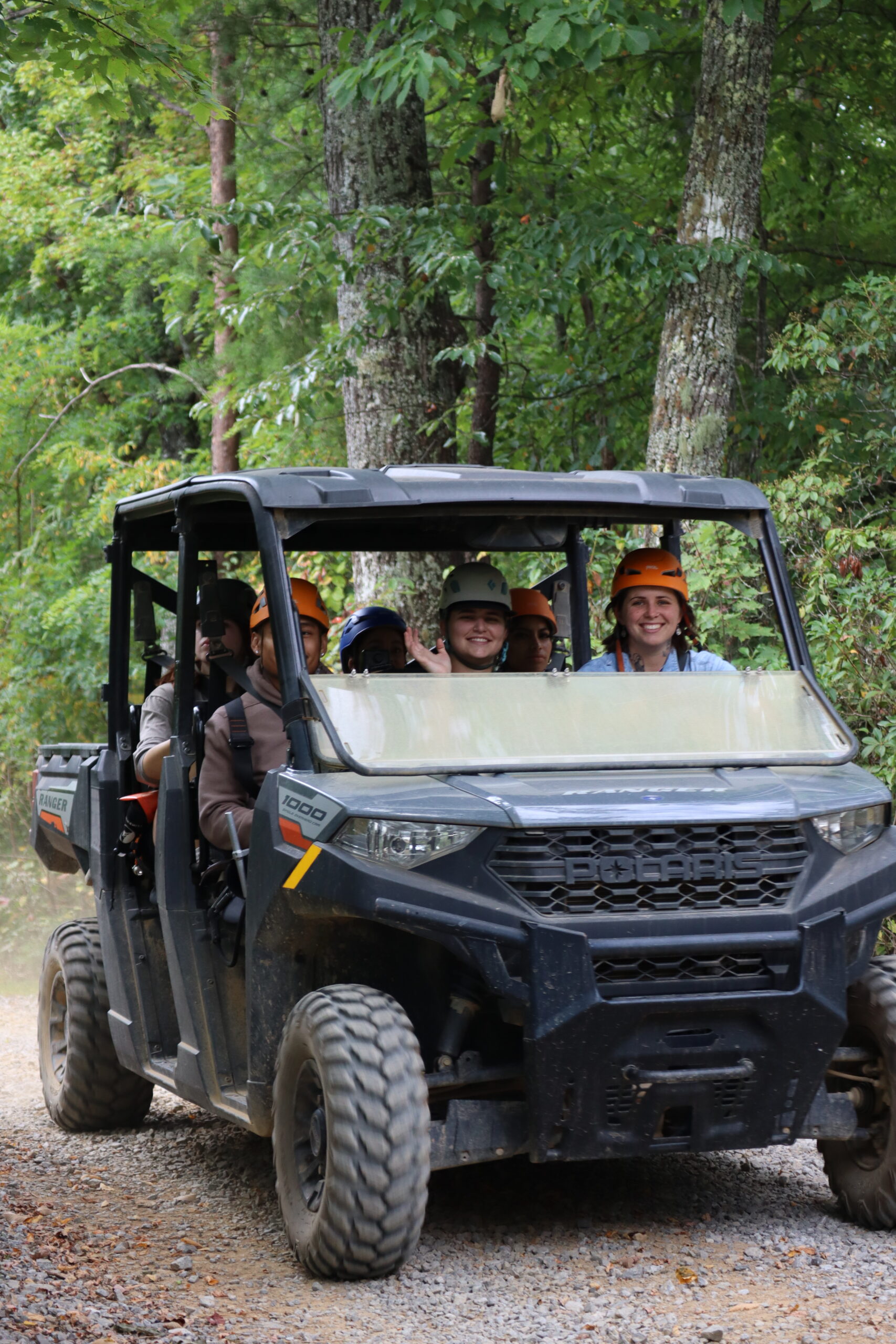
Our Mountaintop Zipline Tour includes 11 adventures in a single guided experience: dual side-by-side ziplines, three aerial bridges, a controlled rappel, and a scenic UTV ride that gains over 400 vertical feet. It runs about two hours, and almost every design choice behind it connects back to minimizing our footprint while maximizing what guests get to see and feel.

Shared Transportation That Reduces Individual Impact

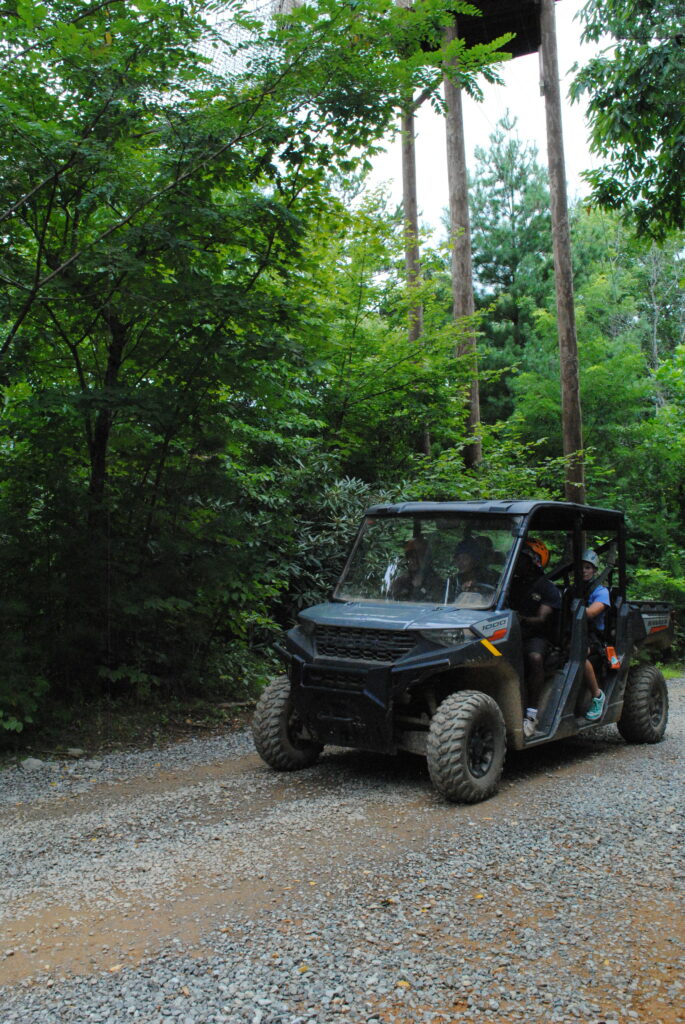
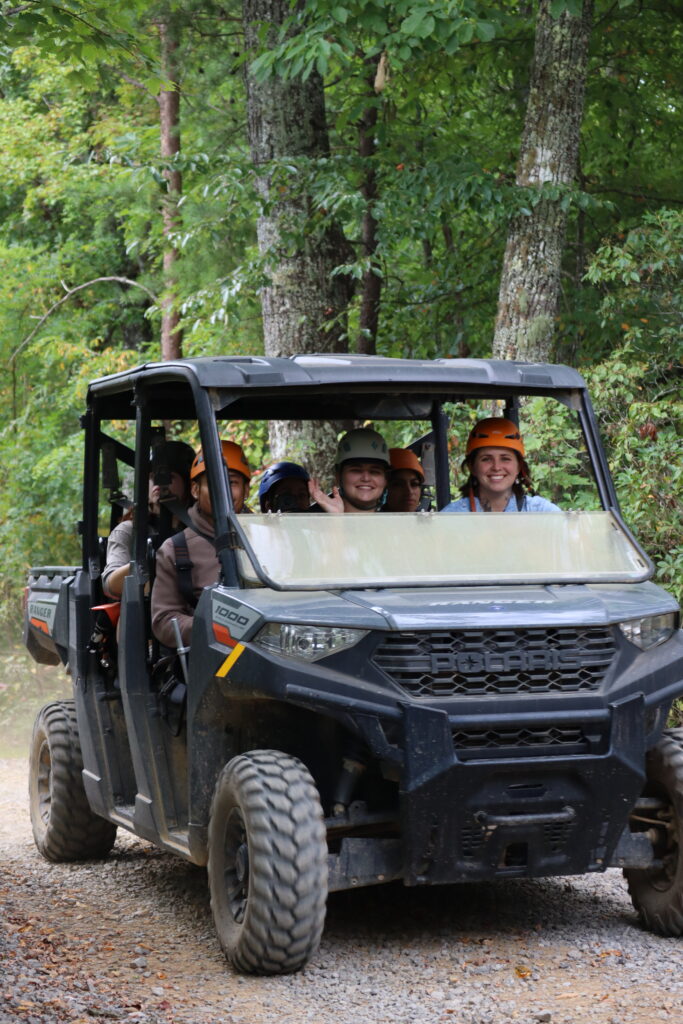
The UTV ride to the upper platforms isn’t just fun, it’s a deliberate logistical choice. Instead of guests driving personal vehicles up a narrow mountain road (more exhaust, more road wear, more parking infrastructure needed at the top), a single shared vehicle carries the group along a maintained route. One trip up, one trip down, controlled speed, controlled path. Compare that to a scenario where every family drives their own car to a mountaintop overlook: the difference in fuel consumption, road erosion, and habitat disturbance adds up fast, especially across thousands of tours a year.

The route itself was designed to follow existing terrain contours rather than cutting new switchbacks into the mountainside. That matters for soil stability and for the root systems of the hardwoods that hold the slope together. You might not notice it as a guest, but the path you’re riding was planned with the mountain’s drainage patterns and tree canopy in mind.

CLIMB Works

An Innovative Braking System That Reduces Wear and Waste

Here’s a detail most people don’t think about: traditional zipline setups often require hand braking, which means more physical intervention, more friction on cables, more frequent cable replacement, and more wear on gloves and gear that eventually end up as waste. Our system doesn’t require hand braking for guests at all. The innovative braking technology handles deceleration automatically, which extends the life of our cables, reduces the volume of consumable gear, and (as a bonus), makes the experience accessible to people who might not have the grip strength or confidence for manual braking.

Less equipment turnover means less material heading to a landfill. It’s a small thing that scales up when you’re running tours six days a week, year-round.

Small Groups and Guided Format

We run small-group guided tours rather than high-volume, self-directed experiences. That means a trained guide is with your group the entire time, managing transitions, hooking up all safety equipment, and keeping the group on designated paths and platforms. This concentrated, supervised format means we’re not spreading visitor impact across a wide area. Guests don’t wander off-trail. They don’t leave gear behind on platforms. They don’t accidentally trample sensitive vegetation because they missed a sign.

Our expert staff handles every equipment hookup and transfer, which means there’s no fumbling with gear, no dropped hardware on the forest floor, and no need for the kind of sprawling instructional infrastructure (massive signage, paved walkways between every station) that a self-guided operation would require.

Rain-or-Shine Operations Cut Waste From Cancellations

CLIMB Works operates rain or shine. We only pause for lightning or sustained winds over 35 mph — conditions our staff monitors in real time from the mountain, not from a weather app. This isn’t just a convenience for guests; it’s an environmental consideration. When tours cancel frequently due to light rain, you get a cascade of waste: rescheduled trips mean extra driving, idling vehicles, duplicated logistics, and the frustration-driven tendency to fill the gap with some other, potentially less sustainable activity. By running through normal weather, we keep the schedule tight and the waste low.

If a weather closure does happen, guests get a reschedule or full refund — no arguments, no fine print. You can read the full booking and cancellation policy for details.

Visiting Responsibly: What Guests Can Do

Eco tourism isn’t just about what operators do, it’s also about the choices visitors make. Here’s how you can keep your Smokies trip as low-impact as possible, starting with your CLIMB Works tour.

Pack Light and Use the Free Lockers

No backpacks are allowed on the tour (except for essential medications), and we provide free lockers for keys and small items. This isn’t just a safety rule, it’s a leave-no-trace practice. Fewer personal items on the course means nothing gets dropped off a platform or blown into the canopy. It means guides aren’t searching for water bottles among the brush after a tour, keeping our activity as low-waste, low-litter as possible.

Book Ahead to Reduce Operational Waste

This one’s practical and environmental: booking at least five days ahead during peak season (especially October) isn’t just smart for availability, it helps us manage our tour capacity efficiently. Last-minute no-shows and cancellations create waste in the form of unused capacity, staff and vehicle time that can’t be recovered, and the downstream effect of guests scrambling to rebook at less-than-ideal times. When our tours run at planned capacity, everything operates more efficiently, meaning less idling, less redundancy, less waste across the board.

You can book online 24/7 or call (865) 325-8116. Our cancellation policy is straightforward: 48+ hours out gets you a full refund or reschedule. Within 48 hours, it’s final.

How to Plan Your Eco-Friendly Smokies Trip with CLIMB Works

Putting together a low-impact Smokies itinerary doesn’t require a spreadsheet. A few practical decisions go a long way.

Arrive 40 minutes early for your tour. This is required — late arrivals forfeit the tour with no refund — but it’s also good eco practice. When guests arrive on time, we avoid idling vehicles, rushed logistics, and the cascade of small inefficiencies that come from running behind. You’ll check in, get your gear, use the restrooms (there are none on the tour itself), and stash your stuff in a free locker. It’s a smooth, low-stress start.

Bring the whole family. The Mountaintop Zipline Tour welcomes ages 5 and up, and kids under 70 lbs can ride tandem with a guide or sibling. That means one experience, one group, one trip — rather than splitting up and doubling your logistics. Kids ages 5–14 need an adult on the tour; ages 15+ can go independently. There are height requirements (42 inches minimum, 6’8″ max) and weight limits (270 lbs, or 250 lbs if under 5’10”), so check those when you book.

Combine with rafting for a full day. Our Smoky Mountain Outdoors combo packages pair ziplining with whitewater rafting — two eco-friendly activities, one day, minimal driving. It’s genuinely the best way to fill a full adventure day without adding to Gatlinburg’s traffic congestion or expanding your environmental footprint across multiple locations.

Stay in the corridor. If you’re lodging in Gatlinburg or the surrounding area, try to cluster your activities geographically. CLIMB Works, the park, Laurel Falls, downtown Gatlinburg — all within a short drive of each other. You don’t need to crisscross three counties to have a great trip. And every mile you don’t drive is a little less exhaust drifting into the hollows.

CLIMB Works

Making Eco Tourism Real, Not Just Aspirational

The phrase “eco tourism” gets thrown around a lot, sometimes by businesses that slap a green label on the same old operation. We’d rather let the details speak: a location bordered on three sides by the national park, a tour designed to move with the mountain instead of reshaping it, a braking system that extends equipment life, a partnership network that keeps visitors exploring deeply instead of driving endlessly, and a team that’s been watching this particular stretch of the Smokies through every season for years.

If you’re planning a Smokies trip and want it to feel good in more ways than one, our Mountaintop Zipline Tour is a solid place to start – not because we’re telling you it is, but because you’ll be 400 feet up a mountain, looking out at one of the most biodiverse forests in the world, and knowing the experience was built with conservation and protection in mind.


CLIMB Works

Gatlinburg Vacation Ideas: Top Things to Do in 2026

This image is by CLIMB Works.

Gatlinburg sits in a narrow valley at the base of the Great Smoky Mountains, and it punches way above its weight for a town of about 4,000 year-round residents. If you’re gathering Gatlinburg vacation ideas for 2026, you’re in the right place — we’ve spent years showing people these mountains from 150 feet up, and we’ve picked up a few opinions about what’s worth your time on the ground, too. This guide covers the outdoor adventures, family attractions, scenic drives, restaurants, and practical planning details you actually need to build a trip that doesn’t feel like a checklist.

Why Gatlinburg Is the Ultimate Smoky Mountain Vacation Destination

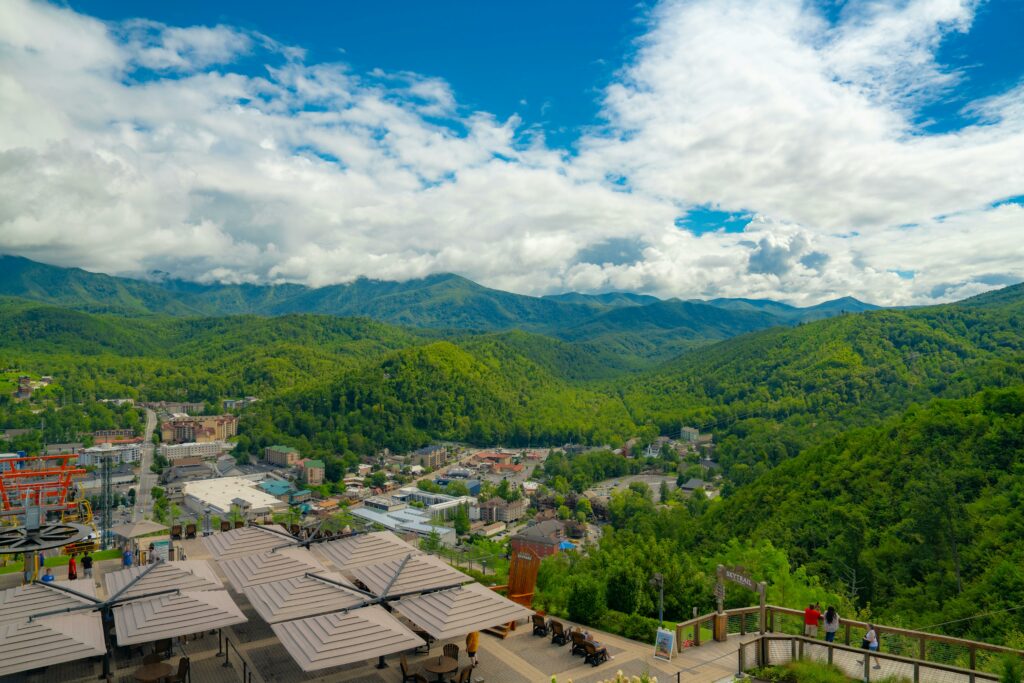
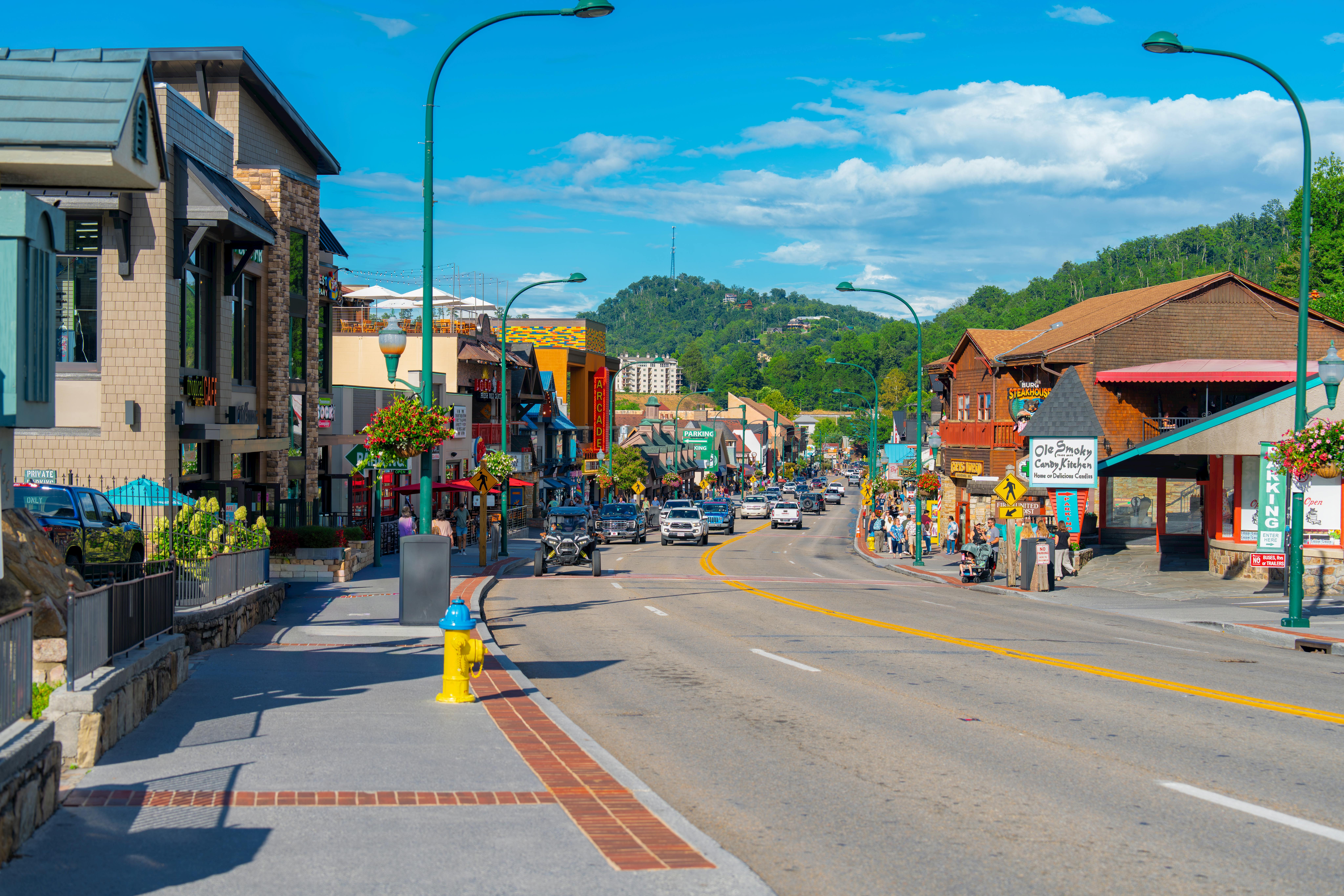
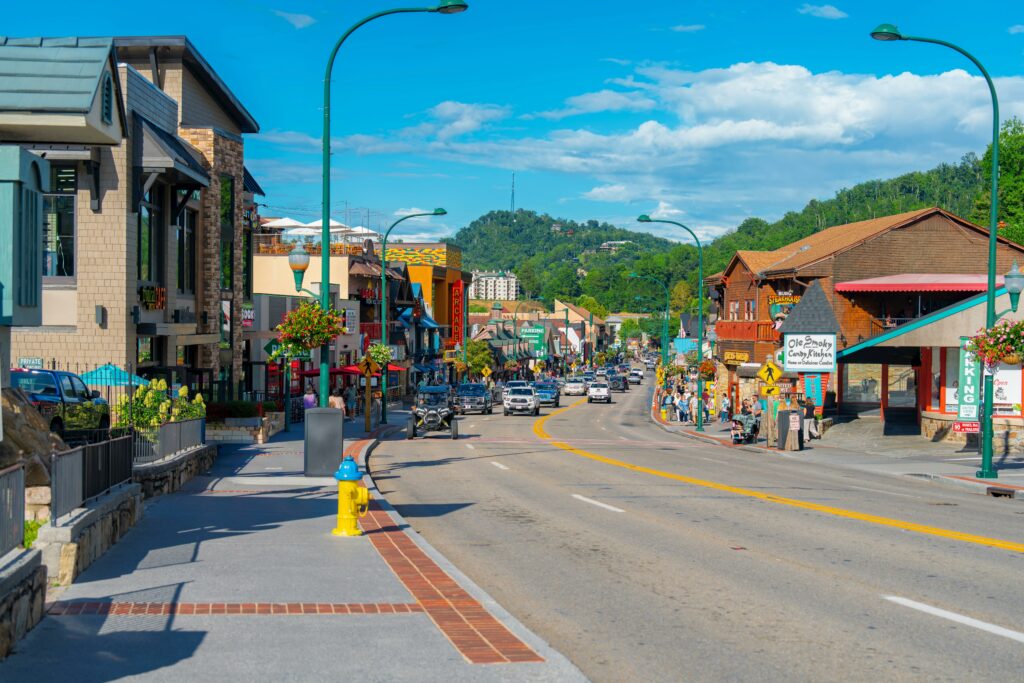
Here’s what makes Gatlinburg different from other mountain tourist towns: you can walk out of a candy shop, drive eight minutes, and be standing in genuine wilderness inside the most visited national park in America. That combination of small-town walkability and direct national park access is hard to find anywhere else in the eastern U.S.
CLIMB Works

Photo by Denil Dominic

The town works for basically everyone. Families with young kids can fill a week without running out of things to do. Couples looking for a slower pace can build a trip around scenic drives, craft distilleries, and long dinners. And if your group wants to spend every waking hour outside — hiking, ziplining, rafting — Gatlinburg is happy to oblige. The Smoky Mountains don’t care whether you’re a hardcore hiker or someone who just wants to sit on a cabin porch and watch fog roll through the valley. There’s room for all of it.

One thing worth knowing up front: Gatlinburg is a gateway town, not just a destination. The best things to do here involve the mountains around it as much as the town itself. Plan accordingly.

Outdoor Adventures That Define a Gatlinburg Vacation

Let’s be honest, if you come to Gatlinburg and don’t spend time outside, you’re missing the point. The town is charming, sure, but the Smoky Mountain outdoor activities are what make this place special. And here’s a tip that surprises a lot of first-time visitors: most outdoor adventures here operate in conditions that would cancel activities in other destinations. Rain? Overcast? A little chilly? That’s just Tuesday in the Smokies. Don’t let a imperfect forecast keep you indoors.

Ziplining Through the Smoky Mountain Canopy

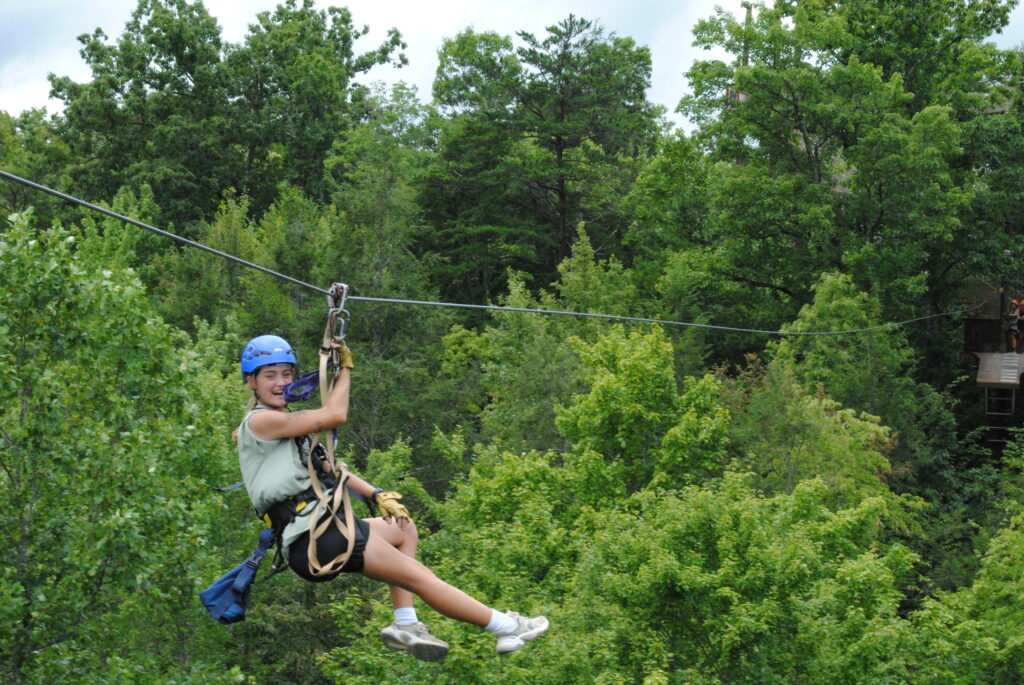
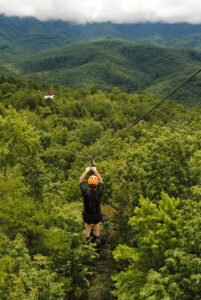
We run a Mountaintop tour at CLIMB Works Smoky Mountains that we’re (understandably) biased about, but here are the facts and you can decide for yourself: 6 ziplines, 3 sky bridges, and a rappel finish, with the highest line reaching 200 feet above the forest floor. The whole experience takes about 2 hours, which makes it a natural half-day anchor for your itinerary. Do it in the morning and you’ve still got a full afternoon ahead.
CLIMB Works

A few practical details for planning purposes:

Requirements: Maximum 270lbs if you’re over 5’10, 250lbs if you’re 5’9 or below. You must be at least 5 years old and 42 inches tall to participate. If you weigh under 70 lbs, you may be required to ride tandem with a guide or a lightweight sibling.
Weather policy: We operate rain or shine. The only things that shut us down are lightning and sustained winds above 35 mph, which is rare. A misty morning ziplining through cloud-wrapped forest canopy? That’s honestly one of the best versions of the experience.
Plan Ahead: Book early in your trip. If you schedule it for day one or two, you’ve got flexibility to shift if you happen to hit one of those rare lightning days. Plus, it sets the tone. There’s something about starting a vacation 150 feet above the trees that recalibrates your whole week. Everything afterward feels a little more vivid.

Hiking the Great Smoky Mountains National Park

The park has over 800 miles of trails, which can feel paralyzing when you’re trying to pick one. Here’s how we’d break it down:

For families and casual hikers: The Laurel Falls trail just reopened in Spring 2026 after a two-year renovation, and it’s better than ever. The 2.6-mile round trip now features a fully paved walkway and a new viewing platform at the falls. It’s the most accessible waterfall hike in the park, and the upgrade means strollers and folks with mobility concerns can enjoy it too. Get there before 9 AM if you’re visiting June through October – it’s popular for good reason.

For moderate hikers: Alum Cave Trail (4.4 miles round trip to the bluffs) offers dramatic rock formations and arch bridges without requiring a full-day commitment. Grotto Falls (2.6 miles round trip) lets you walk behind the waterfall, which kids absolutely lose their minds over.

For the ambitious: Charlies Bunion via the Appalachian Trail is a 8-mile round trip with elevation gain that’ll remind you what your legs are for, but the payoff is worth every step.
CLIMB Works

Photo by: Beth Fitzpatrick

Pro tips that actually matter:

– Arrive at trailheads before 8 AM during summer and fall. Parking fills up and doesn’t turn over quickly.
– Pack layers regardless of the forecast. Elevation changes of 2,000+ feet mean the temperature at a summit can be 10–15°F cooler than the trailhead.
– Check the NPS website or call the Sugarlands Visitor Center for current trail conditions. Closures happen, especially after heavy rain.

Whitewater Rafting, Horseback Riding, and More

The Smokies’ outdoor adventure menu goes well beyond hiking and ziplining:

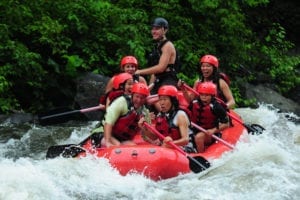
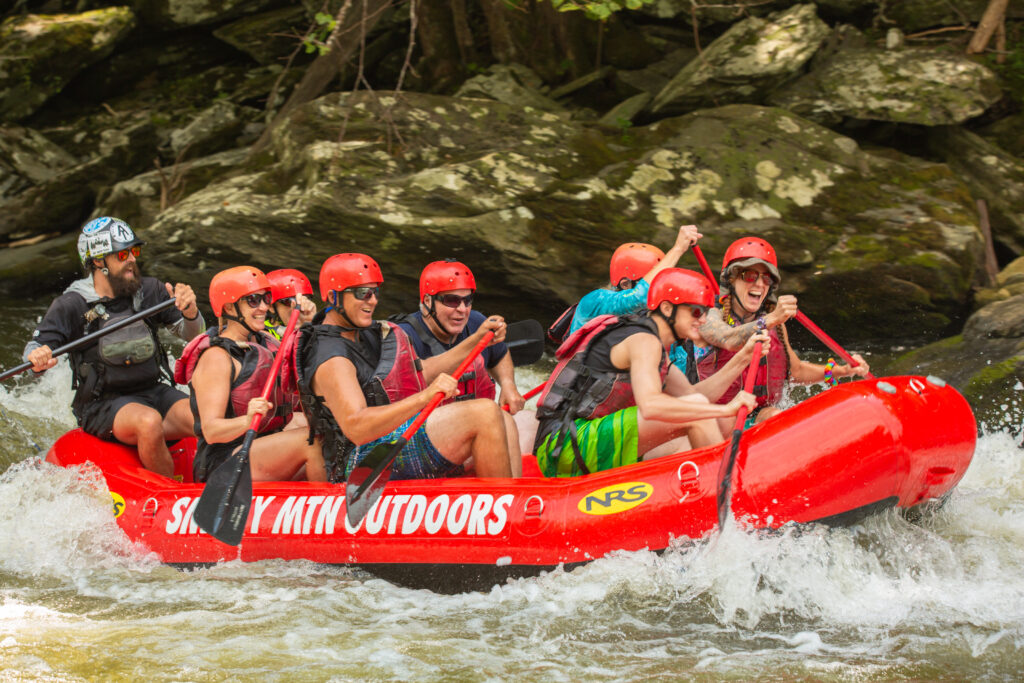
Whitewater rafting on the Pigeon River is a half-day commitment (plan 3–4 hours including transport). Our rafting partner, Smoky Mountain Outdoors (SMO), runs trips on both the Upper and Lower Pigeon. The Upper section has Class III and IV rapids for thrill-seekers, while the Lower section is a gentler float suitable for families with younger kids. We actually offer package deals with SMO, which is worth looking into if you want to stack a ziplining morning with a rafting afternoon.
CLIMB Works

Horseback riding through Cades Cove gives you the pastoral, wide-valley version of the Smokies. Think open meadows, historic cabins, and the chance to spot deer and wild turkeys. Several outfitters run guided rides lasting 45 minutes to a couple hours.

River tubing on the Little Pigeon River runs right through the edge of town and works best in summer when water levels cooperate. It’s low-key, low-cost, and takes about 1–2 hours.

Fishing in the park’s streams is excellent for smallmouth bass and rainbow trout. You don’t need a Tennessee state fishing license inside park boundaries, just a valid park fishing permit, which is free. (Yes, really.)

Family-Friendly Gatlinburg Attractions

When you need a break from the trails, or the weather turns ugly, Gatlinburg’s indoor attractions are better than they have any right to be for a town this size.

Ripley’s Aquarium of the Smokies consistently ranks among the top aquariums in the country, and it’s not just hype. The shark tunnel and penguin exhibit will hold kids’ attention for 2–3 hours easily. It’s right on the Parkway, so you can walk to lunch afterward.

Anakeesta is a mountaintop theme park accessible by gondola, with treetop walks, a mountain coaster, and genuinely good views. Budget 3–4 hours. It’s pricey (check their site for current rates), but the kids-to-entertainment ratio is strong.

Gatlinburg SkyLift Park takes you 1,800 feet up via chairlift to SkyBridge, one of the longest pedestrian suspension bridges in North America. The glass floor panels in the middle section are a fun litmus test for who in your family handles heights well. (It’s always the person you least expect.)

For rainy-day backup plans, the Gatlinburg Space Needle observation deck and the mirror maze attractions along the Parkway are solid 1–2 hour fills. The key is not over-scheduling these. Group two or three walkable downtown attractions into a single afternoon and save your main days for the mountains.

Scenic Drives and Sightseeing

Not every great Gatlinburg experience requires hiking boots or an adventure booking. Some of the best moments happen through a car window (or standing at an overlook catching your breath).
CLIMB Works

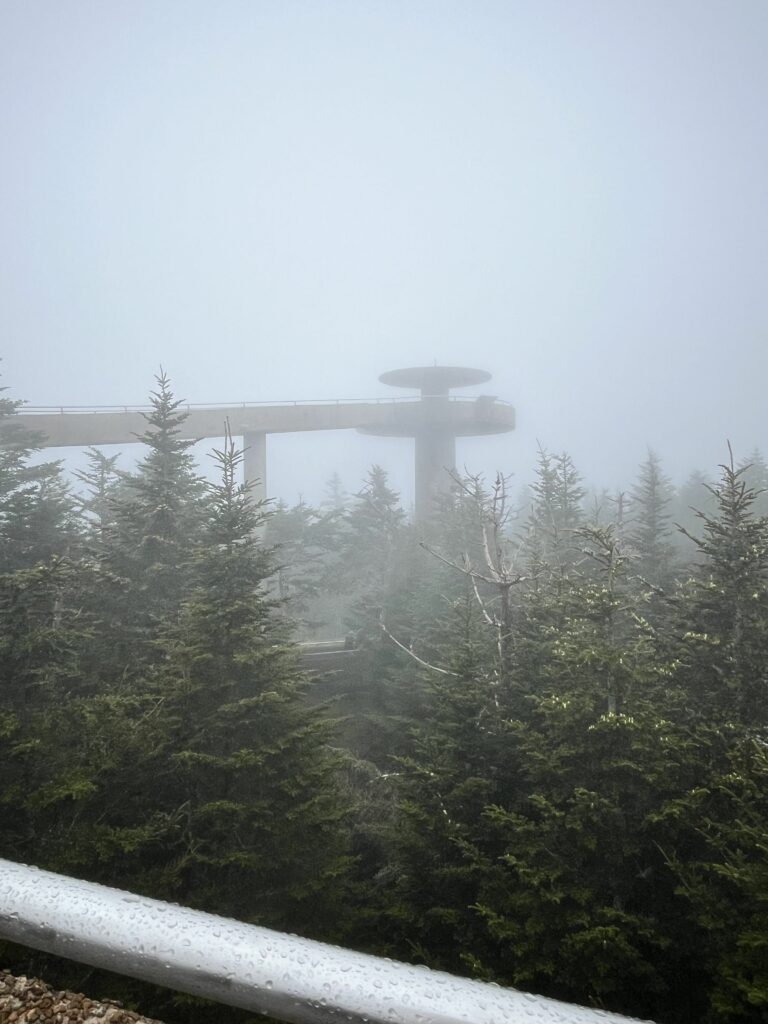
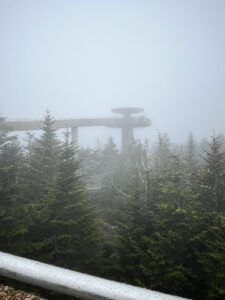
Kuwohi in the fog

Roaring Fork Motor Nature Trail is a one-way, 5.5-mile loop that starts right at the edge of Gatlinburg. It winds past old-growth forest, hist

oric homesteads, and several trailheads. No RVs or buses allowed, which keeps it feeling intimate. Budget 45 minutes if you’re just driving; longer if you stop to explore.

Newfound Gap Road (US-441) crosses the park from Gatlinburg to Cherokee, NC, climbing to 5,046 feet at Newfound Gap. The overlooks along the way are stunning, and on clear days you can see for 100 miles. The drive takes about an hour one-way without stops, but you’ll want to stop.

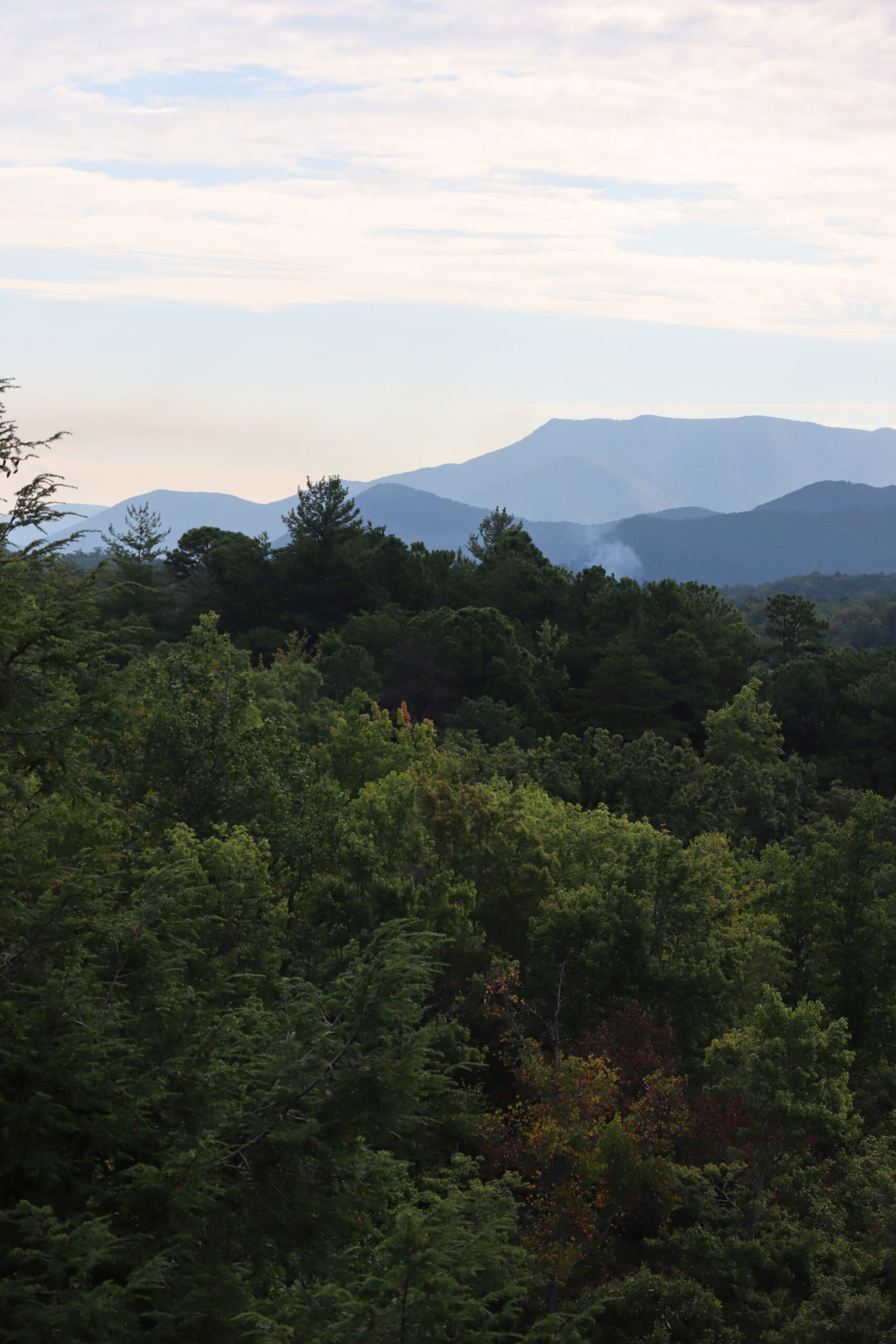
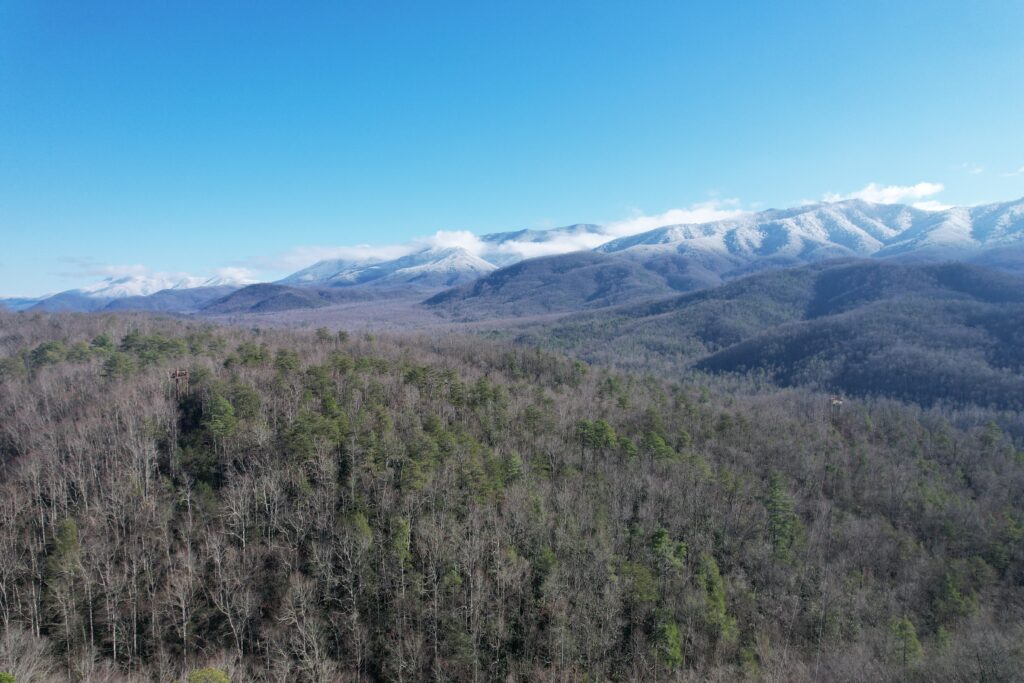
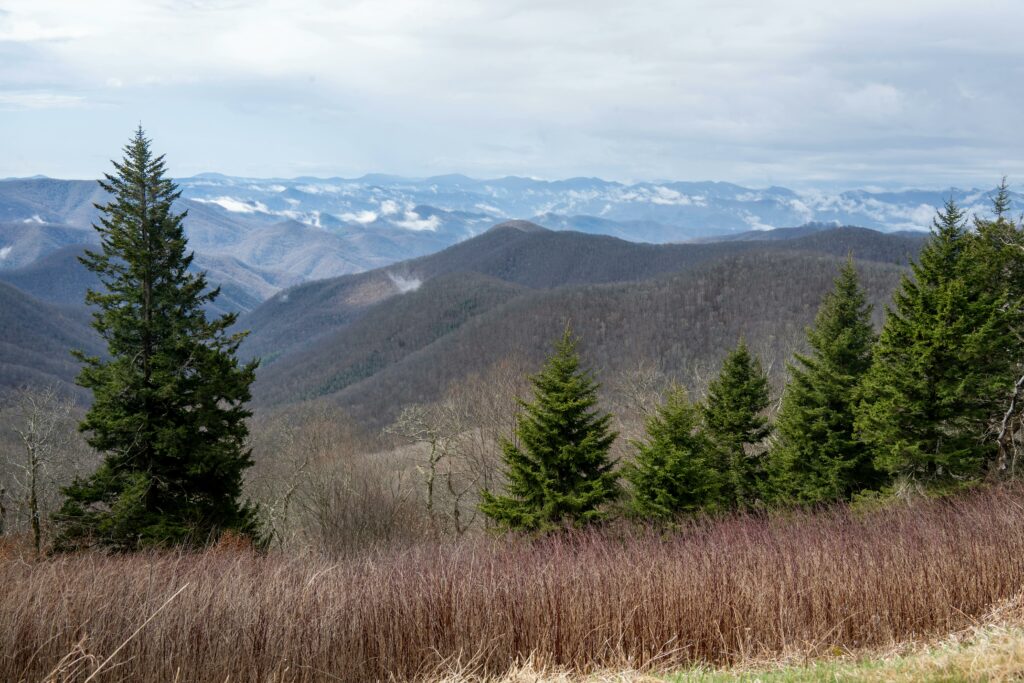
Kuwohi (formerly Clingmans Dome) is the highest point in the Smokies at 6,643 feet. The half-mile walk from the parking area to the observation tower is steep but paved, and the 360-degree views from the top are the kind you remember. Keep in mind, the road to Kuwohi closes December through March, so plan accordingly if you’re visiting in winter.


Traffic tips: During peak season (June–August and October), avoid driving Newfound Gap Road between 10 AM and 3 PM. Early morning departures, we’re talking 7:30 AM, reward you with lighter traffic, better light for photos, and a higher chance of wildlife sightings.

Where to Eat and Shop in Gatlinburg

Gatlinburg’s food scene isn’t going to win any James Beard awards, but it has genuine personality. And the shopping, particularly once you get off the main drag, is better than you’d expect.

Eating: Pancake houses are a Gatlinburg institution. The Pancake Pantry on the Parkway has been open since 1960 and there’s usually a line, but it moves fast and the buckwheat pancakes are the real deal. For dinner, The Peddler Steakhouse sits right on the river and lets you pick your own cut from a salad-bar-style meat display (trust us, it works). If you want something more casual, Smoky Mountain Brewery has solid pub food and locally brewed beer.

Drinking: Don’t sleep on the craft distilleries. Sugarlands Distilling Company and Ole Smoky Moonshine both offer cheap tastings on the Parkway. Even if moonshine isn’t your thing, it’s worth ducking in for the experience.

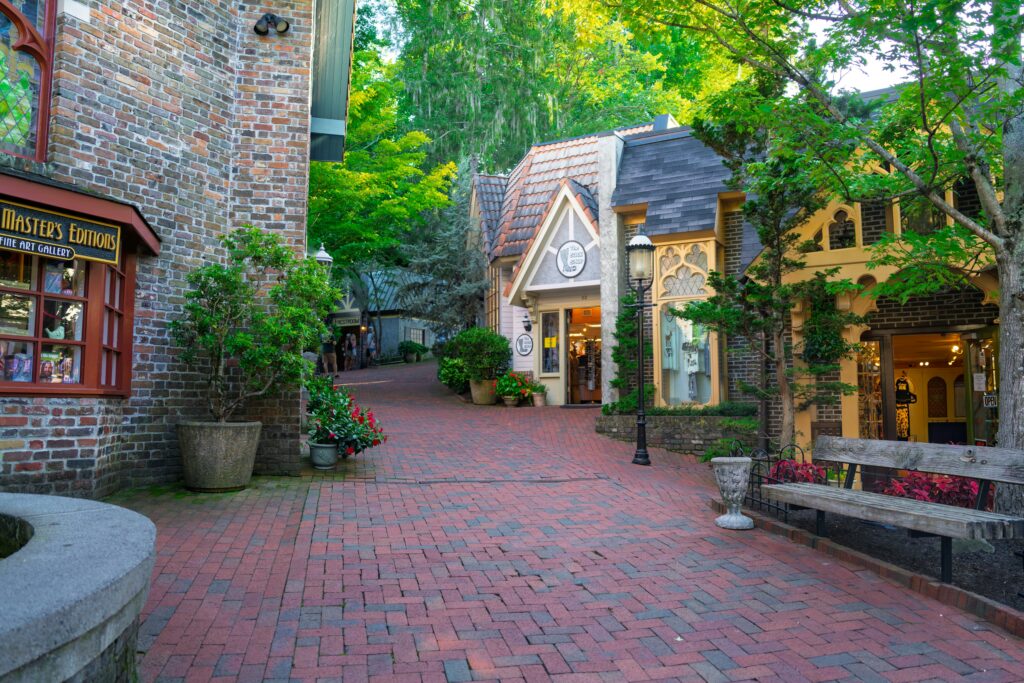
Shopping: Skip the generic souvenir shops (or don’t — no judgment) and head to The Village Shops, a European-style shopping area tucked off the Parkway with about 27 boutiques. For something truly unique, drive the Great Smoky Arts & Crafts Community, an 8-mile loop east of town where over 100 artisans sell handmade pottery, leather goods, brooms, candles, and woodwork from their own studios. It’s the largest independent artisan community in North America, and it feels nothing like a tourist trap.
CLIMB Works

Photo by Denil Dominic

The natural move: pair dinner and a downtown stroll after a full day outdoors. The Parkway at dusk has a different energy than it does at noon. It’s mellower, more atmospheric, and slightly less crowded.

How to Plan Your Gatlinburg Vacation Itinerary

Most visitors stay 3–5 days, and three full days hits the sweet spot for a first trip. Here’s a sample itinerary that balances adventure, sightseeing, and downtime:

Day 1: Adventure Day

– Morning: CLIMB Works canopy tour (book the earliest time slot; you’ll beat the heat and have the rest of the day open). Plan for about2.5 hours start to finish.
– Afternoon: Laurel Falls hike (2.6 miles round trip, 1.5–2 hours with photo stops). Drive time from CLIMB Works to the trailhead is about 20 minutes.
– Evening: Dinner at The Peddler, then walk the Parkway for ice cream or a moonshine tasting.

Day 2: Park Exploration Day

– Morning: Drive Newfound Gap Road to Kuwohi. Leave by 7:30 AM. Plan 3–4 hours round trip including the summit walk.
– Afternoon: Roaring Fork Motor Nature Trail on the way back into town (~45 min), then a late lunch downtown.
– Evening: Explore the Arts & Crafts Community loop (shops close around 5–6 PM, so time it right) or relax at your cabin.

Day 3: Family Fun Day

– Morning: Ripley’s Aquarium (2–3 hours) or Anakeesta (3–4 hours).
– Afternoon: River tubing if it’s summer, or Gatlinburg SkyLift Park for the bridge walk.
– Evening: The Village Shops, dinner at Smoky Mountain Brewery, and whatever strikes your fancy on the Parkway.

Planning tips that save headaches:

– Book adventure activities and popular restaurants as early as possible, especially during peak fall foliage (mid-October) and summer weekends. Things sell out.
– Schedule your must-do outdoor activities early in the trip. Since things like ziplining run in almost all weather, you’re likely fine, but having a buffer day means nothing gets missed if plans shift.
– Save indoor attractions as backup options, not scheduled activities. You probably won’t need them, but knowing they’re there takes the stress out of a rainy morning.

Best Time to Visit Gatlinburg

There’s really no bad time to visit, but each season delivers a different trip:

Spring (April–May): Wildflowers, waterfalls at peak flow, mild temps (50s–70s). Moderate Synchronous fireflies event in late May/early June requires a lottery; make sure to plan way ahead

Summer (June–August): Full activity menu, long days, swimming holes. Make sure to arrive at trailheads before 8 AM or expect parking headaches.

Fall (September–November): Foliage peaks mid-October, crisp air, harvest festivals. Book accommodations months in advance for October; it’s one of Gatlinburg’s busiest months.

Winter (December–February): Holiday lights, smaller crowds, lower prices, occasional snow. Some seasonal attractions close, but winter hiking is peaceful.

The insider move: Late September and late April are the shoulder-season sweet spots. Comfortable temperatures, manageable crowds, and full access to outdoor activities. Most adventure experiences, including ziplining, operate year-round, so you’re not giving up much by avoiding peak dates.
CLIMB Works


However you build your Gatlinburg trip, the thing we’d encourage most is leaving room in your schedule for the unplanned stuff — the overlook you didn’t know about, the trail that catches your eye, the extra hour on the cabin porch because the sunset is doing something ridiculous over the ridgeline. The mountains have been here for 300 million years. They’re not in a hurry, and your vacation shouldn’t be either.

And if you want to see all of it from 200 feet up, we know a place.
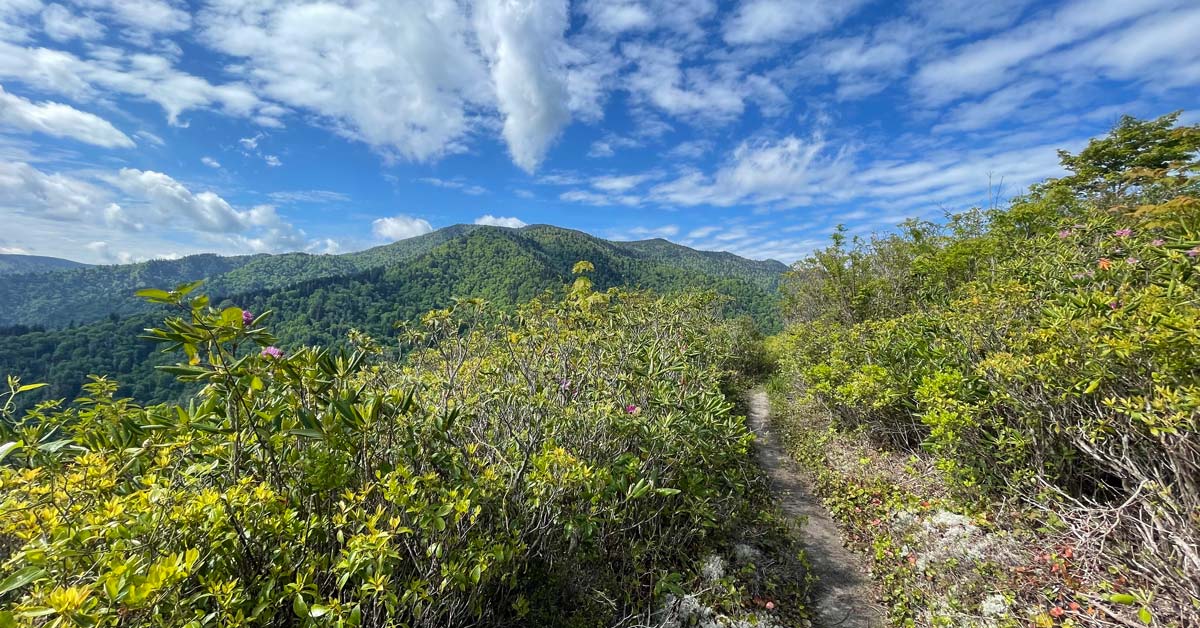
CLIMB Works

Best Unique Outdoor Activities Near Pigeon Forge

This image is by CLIMB Works.

Planning a family trip to Pigeon Forge? With so many attractions packed into one destination, it’s easy to feel overwhelmed by the usual lineup of crowded mountain coasters, busy museums, and high-traffic tourist spots. While the area is known for its high-energy entertainment, it also offers some unique, family-friendly outdoor experiences that feel a little more off the radar.

These hidden gems give families the chance to slow down, spread out, and take in the natural beauty of the Smokies without the crowds. Whether you’re traveling with young kids, teens, or a mix of both, these outdoor adventures near Pigeon Forge are perfect for creating meaningful, lasting memories together.

Zipline at CLIMB Works Smoky Mountains

If your family is looking for a little adrenaline paired with incredible mountain views, ziplining is a must-do activity. At CLIMB Works Smoky Mountains, families can experience the thrill of soaring through the treetops in a safe, guided environment designed for all experience levels.

Expert guides lead you through every step of the adventure, making it easy for first-timers to feel comfortable and confident. Along the way, you’ll cross rope bridges, take in panoramic views, and share a one-of-a-kind experience that stands out from the more crowded attractions in the area. It’s the perfect blend of excitement, nature, and quality time together.

CLIMB Works

Whitewater Rafting on the Pigeon River with Smoky Mountain Outdoors

For families with older kids or teens, whitewater rafting is an unforgettable way to bond and add some excitement to your trip. Guided rafting trips with Smoky Mountain Outdoors make the experience approachable and safe, even for beginners.

These guided trips offer the perfect mix of fun and adventure, all while giving you a unique perspective of the Smoky Mountains from the water. It’s a refreshing break from traditional sightseeing and a great way to experience the outdoors together.

CLIMB Works

Easy Scenic Hikes in the National Park

Not every adventure needs to be high-speed. The Smokies are filled with easy, family-friendly hiking trails where you can slow down and explore at your own pace.

Some great options include:

CLIMB Works


  • Cosby Nature Trail – An easy, one-mile loop in the quieter Cosby area of the park


  • Laurel Falls Trail – A short, paved hike leading to one of the park’s most popular waterfalls


  • Kuwohi (Clingmans Dome) – A paved path that rewards you with incredible panoramic mountain views


These trails are perfect for kids to spot wildlife, splash in streams, and connect with nature in a hands-on way.

Biking Through Scenic Spots Like Cades Cove

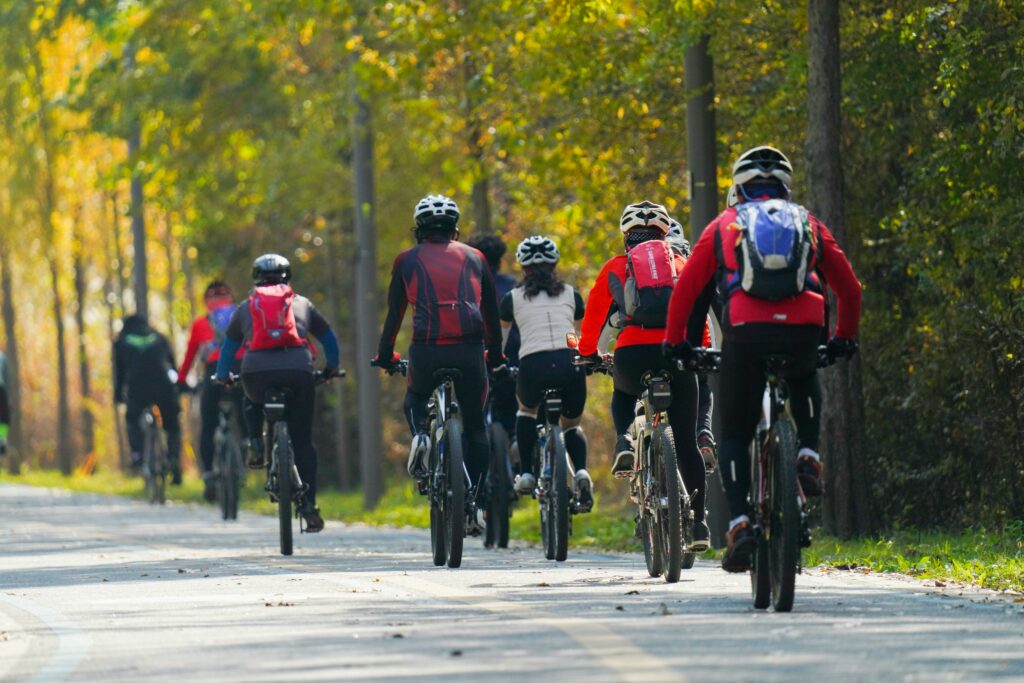
Looking for a more laid-back outdoor activity? Biking is a great way to explore the Smokies at your own pace. The loop at Cades Cove is especially popular with families thanks to its relatively flat terrain and breathtaking scenery.

As you ride, keep an eye out for deer, wild turkeys, and even black bears (from a safe distance, of course). It’s a peaceful, immersive way to experience the natural side of the Smoky Mountains.

CLIMB Works

Make the Most of Your Family Trip to Pigeon Forge

One of the best things about visiting Pigeon Forge is the variety of experiences available for every type of traveler. By mixing in these unique outdoor activities, you can step away from the crowds and create more meaningful moments together.

Whether you’re ziplining through the treetops, hiking to waterfalls, or navigating the river as a team, these are the kinds of experiences your family will be talking about long after the trip ends.

CLIMB Works

What Makes CLIMB Works Stand Out?

This image is by CLIMB Works.

If you’re planning a trip to the Smoky Mountains and trying to figure out which zipline tour is actually worth your time, we get it. Gatlinburg has no shortage of options, and it can feel overwhelming sorting through them. Here’s our honest take: not all zipline tours are created equal. (We’re a little biased, obviously, but stick with us.)

CLIMB Works has been operating in the Great Smoky Mountains for over 12 years, right across the street from Great Smoky Mountains National Park. In that time, we’ve built our own braking systems, designed our own structural elements, and created a zipline experience that consistently ranks as the #1 rated zipline in Tennessee. Here’s what sets us apart.

It’s 11 Adventures, Not Just a Zipline

CLIMB Works


Most people searching for a “zipline near Gatlinburg” are picturing one line, one ride, done. Our Mountaintop Zipline Tour is something different entirely.

Your adventure starts with a scenic 6-passenger UTV ride up the mountain, which gains 500 feet of elevation over a rugged 1.5-mile forest trail. From there, you’ll move through 6 dual-line ziplines (yes, side-by-side, so you can race your travel partner), cross suspension skybridges high above the forest floor, and finish with a controlled rappel off the final platform. Your feet won’t touch the ground for roughly 2 hours.

The whole thing is surrounded on three sides by Great Smoky Mountains National Park, with 360-degree panoramic views from each platform. It’s the kind of view that makes people forget they were nervous in the first place.

The Guides Are the Secret Sauce

CLIMB WorksRead through our Google reviews and one pattern jumps out immediately: people aren’t just talking about the views. They’re talking about guides named Slick, Beau, CC, Sylvi — real people who made their trip.
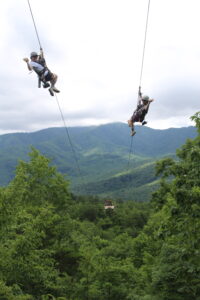
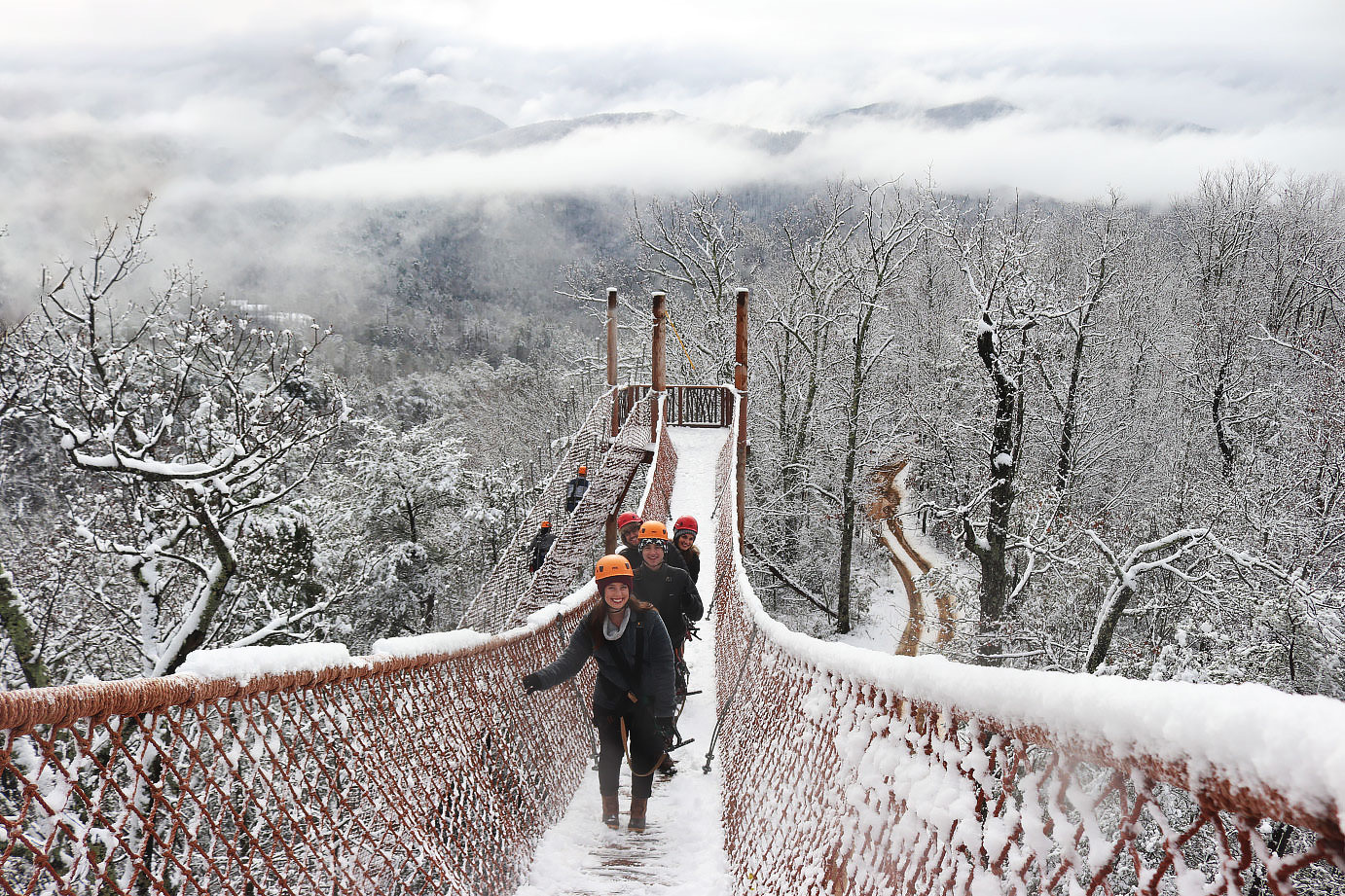
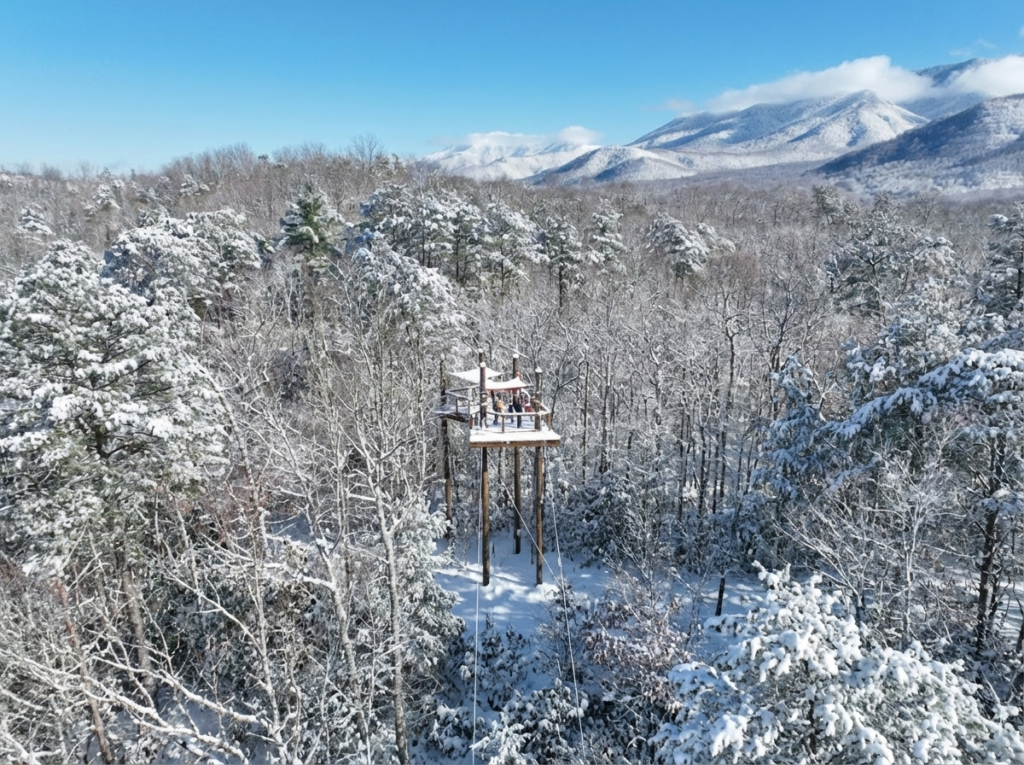
Every tour is led by three highly-trained guides. Their job isn’t just to keep you safe (though they’re excellent at that), it’s to get you from “I’m terrified” to “When can I come back?” They’ll educate you about the ecosystem and local history along the way, cheer on the first-timers, and have you laughing before you even reach the first platform. By the end of the tour, most groups are exchanging sweaty hugs like they’ve known each other for years.

No hand-braking required. No dragging yourself across cables. The course design and our custom braking systems take care of the technical stuff. All you have to do is show up and go.


Built for the 95% (Including You)

We didn’t build CLIMB Works for hardcore outdoor athletes. We built it for everyone else: the family from Georgia on their annual Smokies trip, the couple celebrating an anniversary, the nervous first-timer who has never done anything like this before.

CLIMB is actually an acronym: Challenge, Learn, Inspire, Master, Believe. Those five things aren’t marketing language, they’re the reason every guide shows up to work the way they do. The goal is that everyone who rides our lines leaves feeling more confident than when they arrived.

The tour is open year-round, rain or shine. (The Smoky Mountain ecosystem honestly comes alive in the rain, and ponchos are available if you need them.) Guests must be at least 5 years old, making it a genuinely accessible adventure for most families.

What to Know Before You Book a Gatlinburg Zipline Tour

A few practical details worth knowing:

CLIMB Works

•  Tours run approximately 2 hours start to finish

•  Weight limit: 250 lbs (or 270 lbs if you’re 5’10″ or under); maximum height 6’8″

•  Closed-toe shoes required (no Chacos or Five Fingers)

•  Small lockers on-site for keys and essentials

•  Photo packages available for purchase

•  We’re open Monday–Saturday; closed Sundays

If you’re road-tripping up from Atlanta, Nashville, or Charlotte, we’re a quick drive from downtown Gatlinburg. One piece of local advice: skip Pigeon Forge Parkway during peak hours and come in through Wears Valley Road instead. The drive is prettier and you’ll actually enjoy getting here.

Ready to See the Smokies From a Different Angle?

There’s a reason CLIMB Works has been the #1 rated zipline in Tennessee for 12 consecutive years. We’re not going to oversell it, come see for yourself. Book your Gatlinburg zipline tour online, or give us a call at (865) 325-8116 with any questions.

We’ll see you on the mountain.

CLIMB Works

How to Prepare for Your Winter Zipline Tour in Gatlinburg

This image is by CLIMB Works.

Ziplining in Gatlinburg is one of the best ways to experience the beauty of the Smoky Mountains, regardless of season. Every season has its own unique reasons for being special, especially winter. While the brisk weather might deter some from choosing to zipline, there are a few easy ways to prepare so your experience is not only comfortable, but unforgettable. Here are a few ways to prepare for your CLIMB Works Smoky Mountains zipline tour this winter:CLIMB Works

Check the Weather Prior to Coming

The first thing that you should do when planning your trip to CLIMB Works is check the weather. About a week before the day you want to zipline, check the weather so you know how to prepare. Temperatures in Gatlinburg during the winter can be unpredictable, varying from low 20°s to as high as 60°. You’ll also want to check for wind chill and precipitation, as the temperature can feel drastically different with high winds or precipitation. Keep in mind that the temperature will feel colder as you’re zipping, so you may want to bring an extra layer to ensure your comfort throughout the tour. Knowing what to expect and how to prepare for your tour is the best way to ensure that you have the best, most comfortable zipline experience.

Book Your Tour Ahead of Time

We highly recommend planning ahead and booking your zipline tour in advance either online or over the phone. While CLIMB Works welcomes walk-ins, we are ultimately reservation-based. In the winter, our Smoky Mountain location operates on fewer days compared to our busier seasons, so reserving your spots on a tour ahead of time is the best way to ensure that you can book for the day and time that you prefer.

CLIMB Works

What to Wear

The most important thing to consider when deciding what to wear for your zipline tour is how comfortable you will be in the clothing. There are parts of the tour that require climbing staircases and crossing floating bridges, so make sure you’re wearing clothes that allow for moderate levels of activity.

Rather than wearing jeans, opt for leggings or sweatpants to allow you to be mobile while staying warm. With the colder winter temperatures, long sleeves and/or insulated jackets are highly recommended. Zipping through the air tends to feel colder than standing still because of the wind, so wearing a windbreaker is also a good idea to counteract some of the windchill. Accessories such as beanies, gloves, and scarves are also recommended to keep warm. All participants are required to wear closed-toed shoes, and this is especially important during the winter season, not only for safety reasons, but also to keep you warm. Thick or double layered socks to keep the warmth in your feet will keep you insulated. 

CLIMB Works

At CLIMB Works, we will do everything we can to ensure that you have the most comfortable, exciting experience from the minute you walk through the door to when you leave. We keep spare gloves, socks, and hand warmers to loan to participants who need them. We also have a stock of sweatshirts, hoodies, rain jackets, winter gloves, beanies, and neck gators available for purchase in the lobby. 

So, are you ready for the most exhilarating winter experience of your life? Book with us today and create memories that will last a lifetime!


Book Now!

CLIMB Works

Is Ziplining in Gatlinburg Safe? How CLIMB Works Smoky Mountains Keeps You Secure

This image is by CLIMB Works.


Ziplining in Gatlinburg is one of the most thrilling ways to experience the Great Smoky Mountains’ incredible scenery, but it’s natural to wonder, “Is ziplining safe?” The short answer is yes, absolutely, especially when you choose CLIMB Works. CLIMB Works is the area’s top-rated zipline experience, and for a good reason. Known for its state-of-the-art braking system, professional and knowledgeable guides, and top-notch equipment, CLIMB Works prides itself on being the safest zipline experience in the Gatlinburg area without sacrificing fun. Here are some of the ways the CLIMB Works prioritizes safety throughout the two hour experience.


Every tour is accompanied by three trained guides

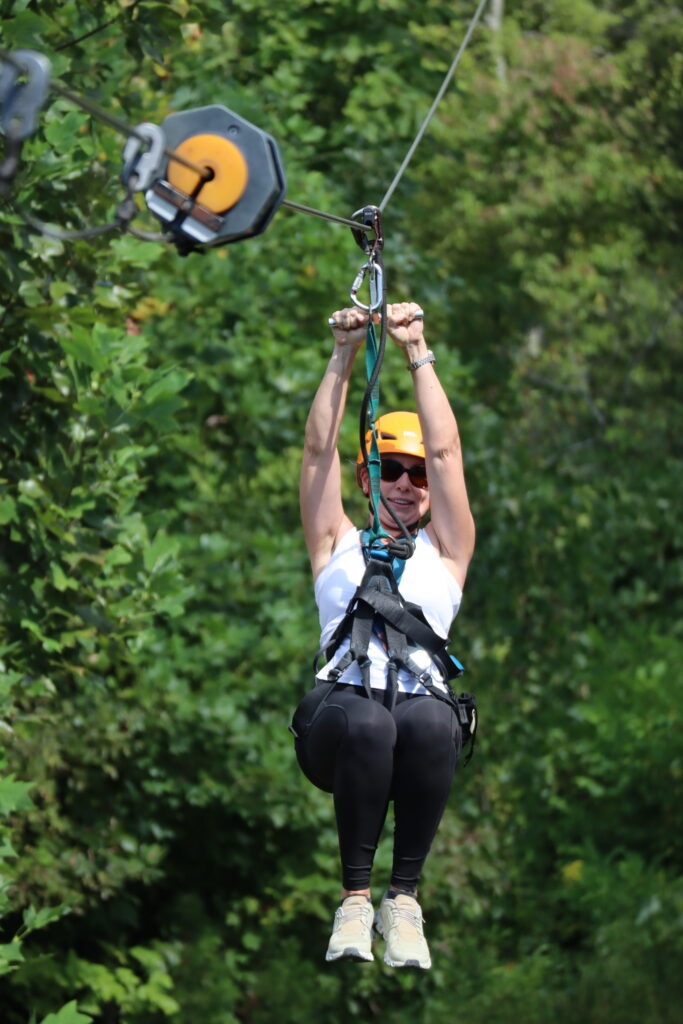
At no point during your tour will you be expected to attach or detach your own equipment. Each tour group will have three guides assigned  to the tour; two Receiver guides and one Sender guide. Your Receivers will be responsible for utilizing the braking system to bring you to a stop and disconnecting your equipment from the line after your zips. Your Sender will safely hook you up to the lines and let you know when you are good to zip. Our experienced guides will ensure that you are properly attached to the course at all times throughout your tour. 

CLIMB Works

All equipment is industry-recognized and regularly maintained

CLIMB Works

At CLIMB Works, safety begins long before you begin your zipline experience. All of the gear, including the harnesses, helmets, and trolleys are inspected before every tour. This goes for the on-course equipment as well, including the zipline cables, braking systems, safety tethers, and carabiners. Any equipment that shows signs of wear is promptly either fixed or retired. Every morning, guides perform a safety inspection by zipping through the course and thoroughly checking all equipment. In addition to daily safety inspections, a certified third-party inspector for Tennessee inspects the course annually, ensuring that all equipment is up to the safety standards of the industry. 


Every tour starts with a comprehensive safety briefing

CLIMB Works

Prior to beginning your zipline tour, your guides will go over a thorough safety briefing with the group. They will give you all the information you need to stay safe and secure throughout the experience, including describing the equipment being used and what you can do to ensure your safety and comfort throughout the experience. Because your guides are with you during all parts of the tour, they are prepared to answer any and all questions that you may have about safety on course.


Overall, CLIMB Works prioritizes safety while ensuring that the thrill isn’t sacrificed. Between our experienced guides, top-notch equipment, regular maintenance, and thorough safety protocols, CLIMB Works tops the list of safe and exciting zipline tours in the Gatlinburg area. So, if you’re ready for the adventure of a lifetime, book a tour today!


Book Now!

Smoky Mountains

The Best Time to Zipline in the Fall

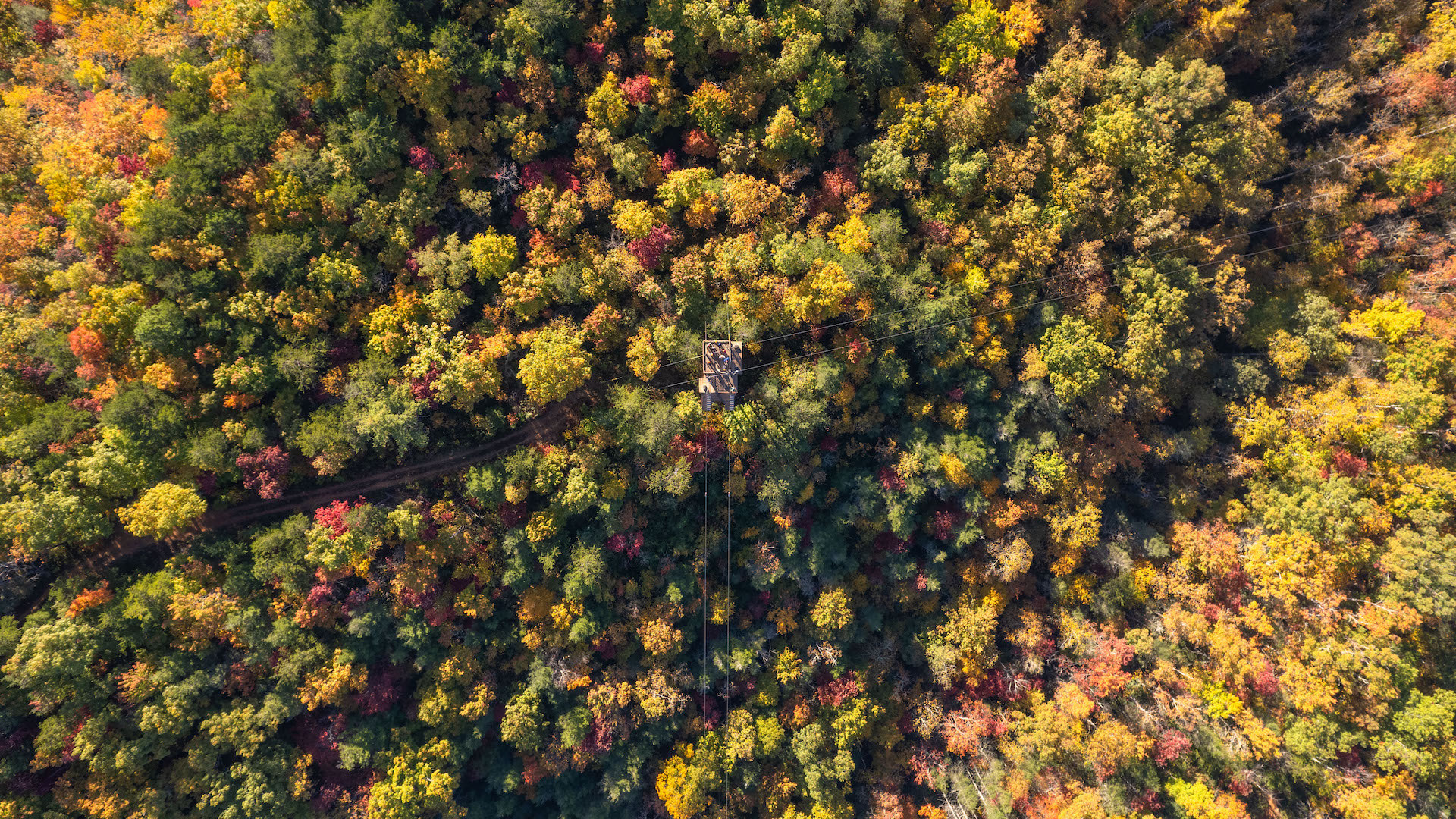
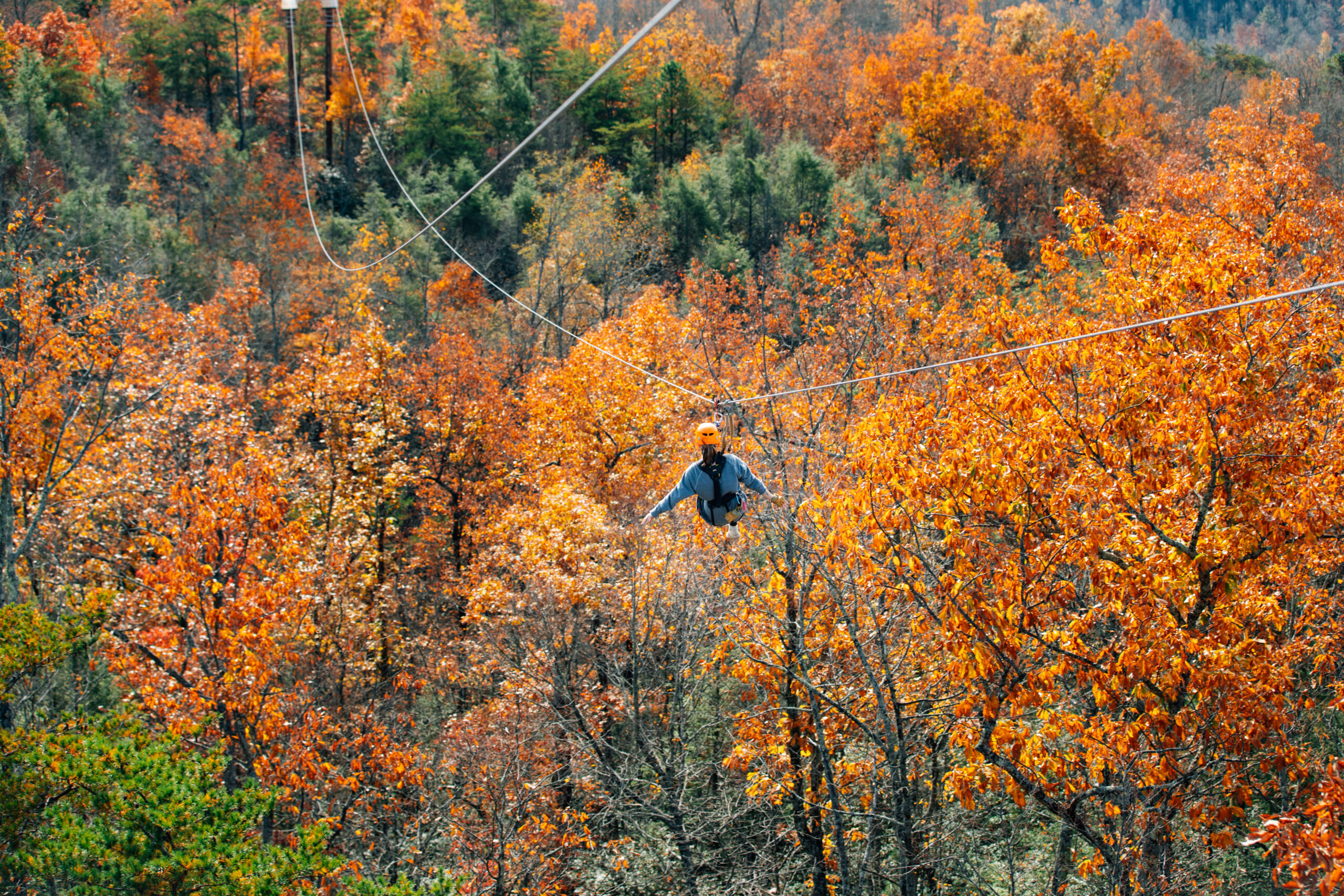
Aerial shot of trees in the Smoky Mountains during October

There is nothing quite like fall in the Great Smoky Mountains. It’s known for its breathtaking vibrant foliage, and there is no better way to experience this beauty than soaring through the trees on a zipline. Between mid-September and early November, the mountains transform from lush green peaks to vivid gold, orange, and red hues as far as the eyes can see. While these beautiful fall colors are visible for many weeks, the change in color is staggered, making a waterfall-like effect of color that cascades down the mountain gradually throughout the season.

CLIMB Works


Why the Smokies are the Perfect Fall Destination

The Great Smoky Mountains is the most visited national park in the United States, and for a good reason. It is the most biodiverse national park in the park system– home to over 100 species of trees –which is one of the main reasons why the Smokies’ fall foliage is so spectacular. The wide range of tree species gives the Smokies a variety of colors and textures that shift throughout the season at different times. Because of this gradual change, fall in the Smoky Mountains seems to last longer compared to other parts of the country. Instead of a quick burst of color, the Smokies offer these breathtaking views for weeks that begin at the top of the mountain and slowly trickle down. Because of this elongated season, there is much more flexibility in planning their trips, making it an ideal destination for visitors from a variety of places and ways of life. 

The Science Behind the Season

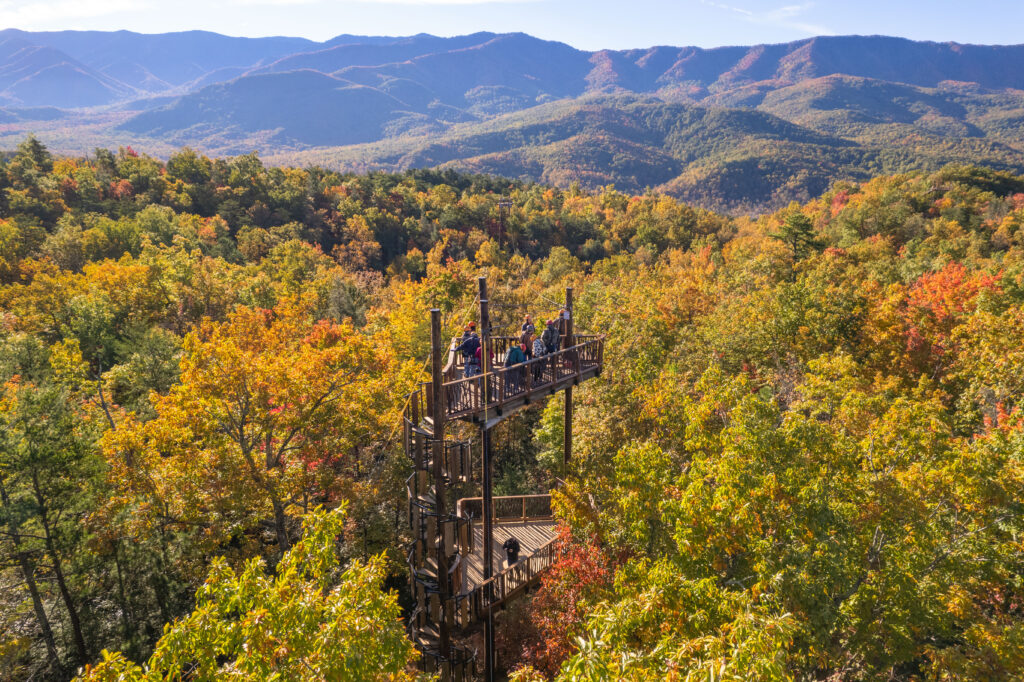
Smoky Mountains in the fall with a CLIMB Works zipline platform in the trees.

So, what gives the Smoky Mountains their colors? To put it simply, the leaves are green for the majority of the year because of chlorophyll, which is used during photosynthesis to absorb energy from sunlight and nourish the trees. As temperatures drop and the days get shorter, the trees begin to slow their food production, which leads to a breakdown of chlorophyll in the leaves. With less chlorophyll to create the green pigmentation, the reds, oranges, and yellows start to emerge, creating the fall colors that we know and love.

The timing that the leaves change colors changes depending on the species and elevation. Trees in higher elevations tend to adopt their fall colors sooner because of the difference in temperature and sunlight. This is why there’s a staggered transition of colors that begin at the top of the mountain (the highest elevation) and slowly moves down.

When is the Best Time to Zipline for Peak Fall Colors?

CLIMB Works

While you’ll get a stunning view of the fall colors anytime between September and November, you can plan your tour to experience the park once all of the trees have undergone their transformation. The peak week for autumn colors in the Smokies is typically the last week of October through the first week of November. This is when the majority of trees across all elevations have changed colors. Don’t worry if this doesn’t fit your schedule, though. You’ll still have incredible views of the mountains and their fall colors throughout the entire season.

Final Thoughts

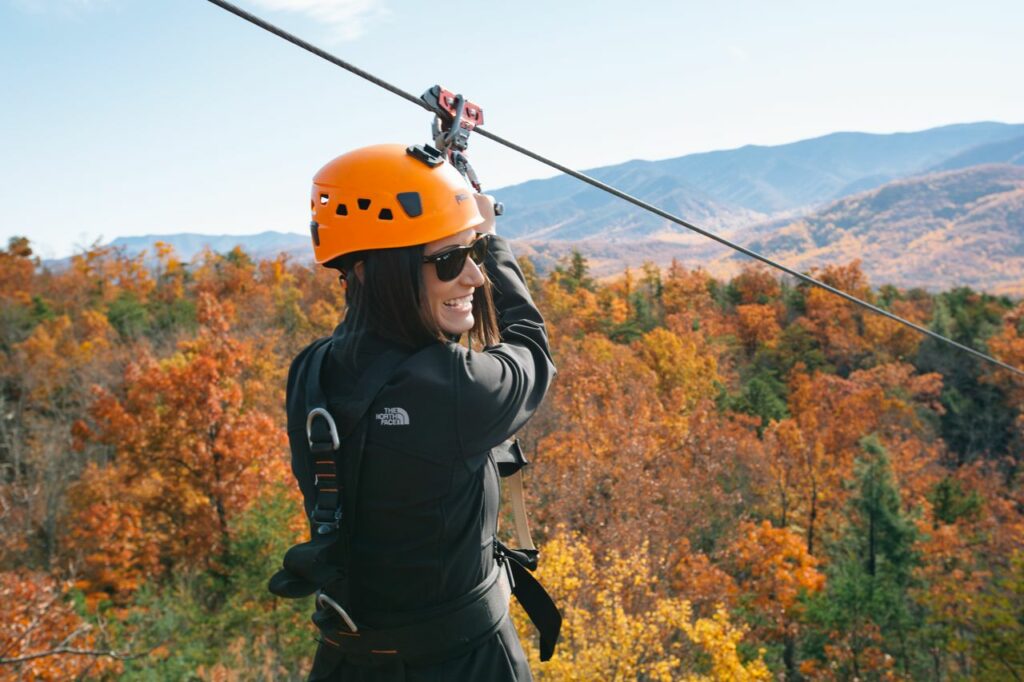
Ziplining with CLIMB Works is not only a thrilling, adrenaline-pumping experience, but also an opportunity to witness the beauty of the park firsthand. You’ll soar over the trees with 360 views of the rolling mountains decorated in their fall colors, giving you the absolute best way to see the Smoky Mountains in their gorgeous fall state. 

BOOK NOW!


Smoky Mountains

Things to Do in Gatlinburg as a Family | Fun for Kids and Parents

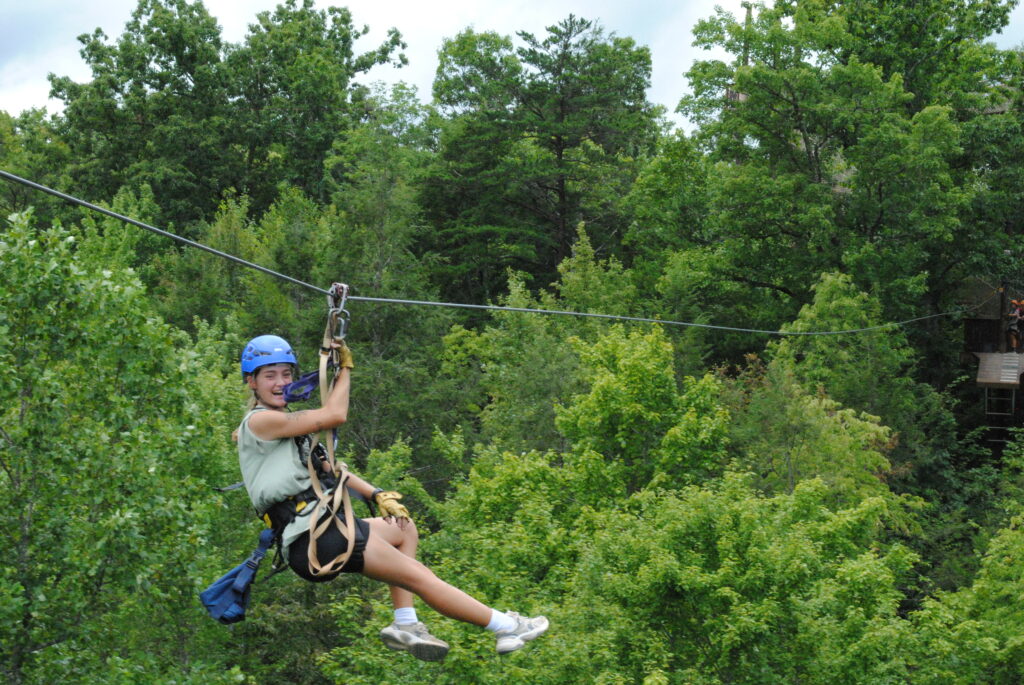
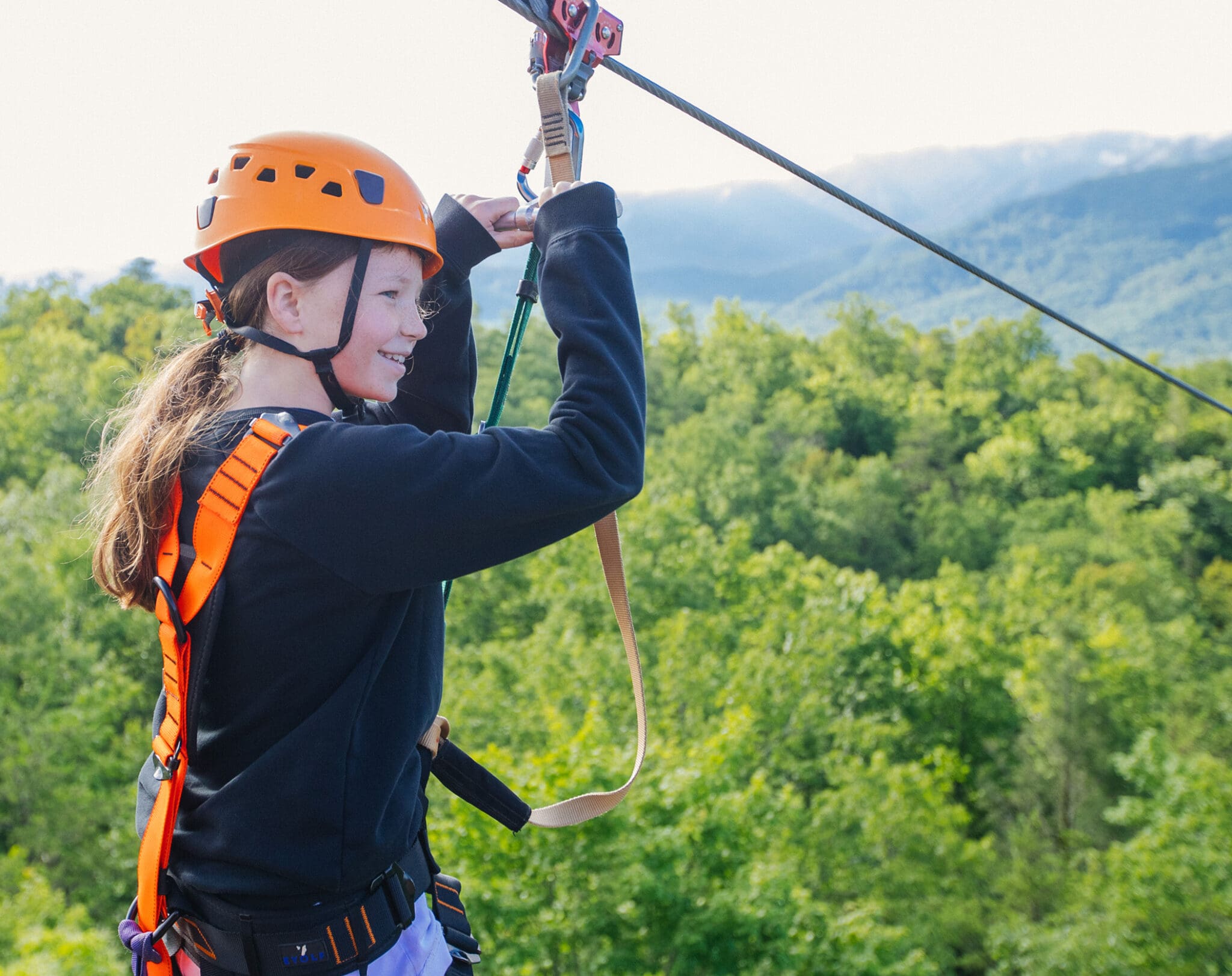
Smiling young girl riding a zipline at CLIMB Works Smoky Mountains

Introduction:

Whether you’re a first-time visitor or long-standing explorer of the Smoky Mountains, it seems each year things are growing, changing and expanding out here. For families looking to enjoy a proper mix of fun and relaxation for all ages we’ve updated our recommendations to make sure  you make the most of your vacation.

Gatlinburg serves as the heart of the Great Smoky Mountains National Park. While it technically isn’t in the park, it serves as the most popular entrance and is nearly completely surrounded by the park. There are few places in the country that offer such sublime year-round beauty, great access to nature, and loads of family fun. The variety of activities that appeal to both kids and parents will keep you wanting to come back year after year. So whether you are coming for the outdoor thrills or downtown charm – here’s your guide to the best things to do!


1. Kick Off Your Trip at the Visitor Center

A great place to start your adventure is at the Gatlinburg Visitor Center or one of the other visitor centers that welcome you to the national park area. Here you can gather greater information on the park, hiking trails, and local activities. The visitor center sets the stage for your adventure, with stunning views just outside the door you’ll begin to see the wonders that lay in store for your family.

Take a minute to explore the facts and figures shared within the visitor center, there’s a reason that The Great Smoky Mountains are the most visited National Park in the country. Not only are there a staggering number of family-friendly activities to take part in, the Smokies boasts the claim of being one of the most biologically diverse ecosystems in the world. There’s no better way to dive into the mix of family-fun and nature than at CLIMB Works Smoky Mountains.


2. Mountaintop Adventure at CLIMB Works

CLIMB Works

CLIMB Works has grown a reputation across the country and beyond of being the ultimate providers of mountaintop adventures. As developers, designers, and builders for other activities in and out of Gatlinburg, their safety technology, riding experience, and attention to detail is second to none. These measures allow kids and parents alike to fly amidst the treetops from mountaintop to mountaintop on an adventure unlike any other.

Welcoming visitors as young as 5-years-old on the tour, entire families of little adventurers to thrill-seeking adults can experience panoramic views of the national park without the crowds. Not only are the views breathtaking, but CLIMB Works’ expert-trained tour guides educate and challenge your family in a fun way to master ziplining, learn the history of the area, and even inspire some epic poses for your zipline photoshoot. Believe us, by the end of the 2-hour tour, you’ll be amazed how much you accomplished.

CLIMB Works’ focus beyond the zipline tour really separates this mountaintop adventure from the other options in Gatlinburg. Visitors’ feet never touch ground for two hours as they go from towering platforms, sky bridges, floating staircases, and even a rappel. With CLIMB Works’ mission of CLIMB (Challenge, Learn, Inspire, Master, Believe) you know that your family is going to get the attention they deserve – these intimate tours give you the time to enjoy nature, thrills and one another’s company.


3. Explore Nature at Cades Cove

CLIMB Works

Cades Cove is a scenic valley surrounded on all sides by mountains located just south of Townsend, Tennessee. With easy access from the Gatlinburg entrance, you and your family can enjoy a scenic drive through the park before arriving at the 11-mile one-way loop road encircling the valley. This loop provides access to hiking trails, opportunities for wildlife viewing, and chances to explore the many historic homesites, cemeteries, and churches. The area also holds a visitor center, campground, picnic area, and riding stable.

Kids will love the open spaces, while parents can appreciate the peaceful beauty of the valley. It’s very common that you’ll be able to spot some wildlife while you’re in the park. The Smokies house the highest populations of many animal species, including salamanders and black bears! During busier times of the season the one-way road can get a little slow, so be prepared for a few hours journey with snacks in the car. If you end up exploring the trails or historical sites, plan for even longer.


4. Fun Downtown Gatlinburg

The lively downtown of Gatlinburg is the perfect spot for family strolls. With numerous restaurants, souvenir shops, and activities lining the streets of downtown Gatlinburg, you can easily find yourself entertained for an entire day. For most first time visitors to Gatlinburg, the downtown area can come as a bit of a shock. Its quirky mix of mountain town and amusement park often comes as a surprise – but it only makes visiting as a family easier.

From the main drag of downtown you can park and take chairlift, chondolla, or tram to various attractions and experiences in the mountains towering above the town. Some of the notable attractions offering these views include:

  • Anakeesta accessed by Chairlift, Chondolla, or Shuttle
  • Ober Mountain accessed by Tram
  • Gatlinburg Skypark accessed by Chairlift
  • Gatlinburg Space Needle accessed by glass elevator

Aside from these mountaintop adventures, you can also enjoy arcades, mini-golf, sweet shops, and the Ripley’s aquarium.


5. Anakeesta – A Bonus Adventure

Anakeesta is a great standalone family fun destination to spend a portion of your day in Gatlinburg. With its elevation above the downtown, you can escape from the hustle and bustle of mainstreet below and enjoy Gatlinburg’s scenic views. With playgrounds, gardens, and family-friendly dining the kids can tucker themselves out while you sip lemonade in a lounge chair.

If your kids are old enough for a later evening, we highly recommend spending a fun day at CLIMB Works and then heading down to experience Anakeesta’s Astra Lumina, a late night walk through the woods guided by extravagant choreographed light shows and matching soundscapes. Giving families a twist from the typical mountain experience, these two distinct mountaintop adventures give families magical moments of the real and imaginary world to forever make the Smokies a yearly visit.


Conclusion

From the mountaintop adventure of CLIMB Works to the natural wonders of Cades Cove and downtown’s family fun, Gatlinburg has all you need for a perfect family vacation. No matter where you head, you can guarantee you and your kids will find something to love in the Smoky Mountains. Kick off your family adventure today – book your zipline experience and explore all the Smokies have to offer.

Gatlinburg is waiting, make it your next family getaway!

BOOK NOW!

Smoky Mountains

Top 4 Things to Do in the Smoky Mountains with a Gorgeous View

A man ziplining in the Smoky Mountains at CLIMB Works.

Nothing beats a gorgeous Smoky Mountain view. When you visit the area, there are plenty of opportunities to take in the beautiful sights while having fun. If you are looking for the best ways to see the sights, try one of these 4 things to do in the Smoky Mountains with a view:

ziplining in smoky mountains1. Zipline with CLIMB Works

Ziplining offers breathtaking mountain views. When you zipline with us at CLIMB Works, the view is unbeatable. We have 2 zipline tours for you to choose from that both provide incredible views. On our Treetop Zipline Tour, you’ll soar through the trees on 9 world-class ziplines over large ravines, streams and even some wildlife! On our Mountaintop Zipline Tour, you’ll see the Smokies like never before with 360-degree panoramic views from our high and long dual ziplines. Enjoy a bird’s eye view of the Great Smoky Mountains National Park when you zipline with CLIMB Works!

2. Go Hiking in the Great Smoky Mountains National Park

Another great way to enjoy the view is by taking a hike in the Great Smoky Mountains National Park! The national park has more than 850 miles of hiking trails for you to explore, all of which let you experience the true beauty of the Smoky Mountains. Every season offers its own special sights, from snow-covered mountaintops and icicles in the winter, to wildflowers and cascading waterfalls in the summer. You’ll definitely want to bring a camera with you to capture the scenery when you go hiking!

3. Go Rafting with Smoky Mountain Outdoors

A family white water rafting with Smoky Mountain Outdoors.Going white water rafting in the Smoky Mountains is the perfect combination of adventure and sightseeing. Smoky Mountain Outdoors has an Upper River Rafting Trip that is great for those seeking a new way to take in the sights! As you coast along the river on class 3 and 4 rapids, take time to admire the beauty of the Smoky Mountains all around you. We’ve even teamed up with Smoky Mountain Outdoors to offer you both a zipline tour and a rafting trip so you can experience the ultimate adventure while you take in the sights!

4. Explore Anakeesta

Another great thing to do in the Smoky Mountains with a view is visit Anakeesta. Anakeesta is a magical outdoor theme park that has plenty of opportunities for you to take in the sights. In fact, your journey to the park begins with a scenic ride on the Chondola, which takes you to the summit of Anakeesta Mountain. Once you’re there, you can go ziplining, cross 16 bridges on the Tree Canopy Walk, or find the perfect spot in the park to watch the sunset over the mountains. There is even an enchanting botanical garden that has walking trails that lead you through lush gardens full of flowers and plants!

You’ll never run out of things to do in the Smoky Mountains that offer breathtaking views! Start your sightseeing adventure by learning all about ziplining at CLIMB Works and booking your trip.

CALL US BOOK NOW