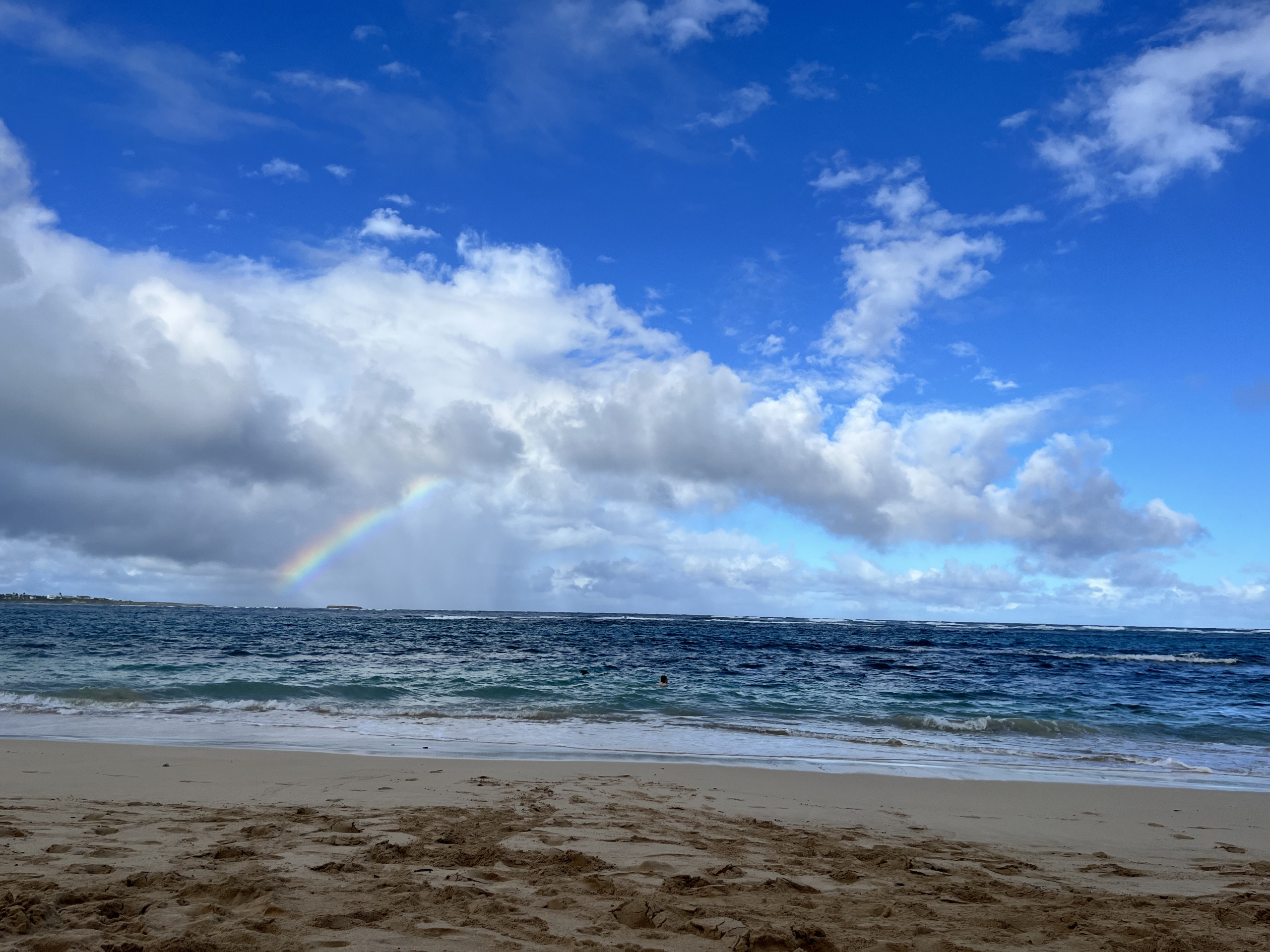
Oahu’s North Shore isn’t a national park or a marine sanctuary with a visitor center and laminated checklists, but it functions like one. The coastline, wetlands, mountain foothills, and working agricultural land create overlapping habitats that support a surprising range of species, from open-ocean marine mammals to shorebirds that wade through ancient fishponds in Kahuku. Summer is when the wildlife on the North Shore really comes alive, and you don’t need a boat charter or a guided snorkel tour to experience it. You just need to know where to look, when to go, and how to do it respectfully.
Honu: Hawaiian Green Sea Turtles
If there’s one animal on O’ahu’s North Shore that defines the summer experience, it’s the honu. Hawaiian green sea turtles are the most commonly spotted wildlife along this coastline, and summer is when sightings peak. Water temperatures rise, algae growth increases on the nearshore rocks (their primary food source), and summer is nesting season. Female honu come ashore on remote, quieter beaches to lay eggs, concentrating much of the turtle activity along the entire North Shore corridor.
In Hawaiian culture, honu are far more than just a cool beach sighting. They’re considered aumakua, ancestral guardian spirits, by many Hawaiian families. A honu crossing your path is considered a sign of good fortune and protection. They’re part of a living cultural and ecological story that’s been unfolding on these shores for centuries.
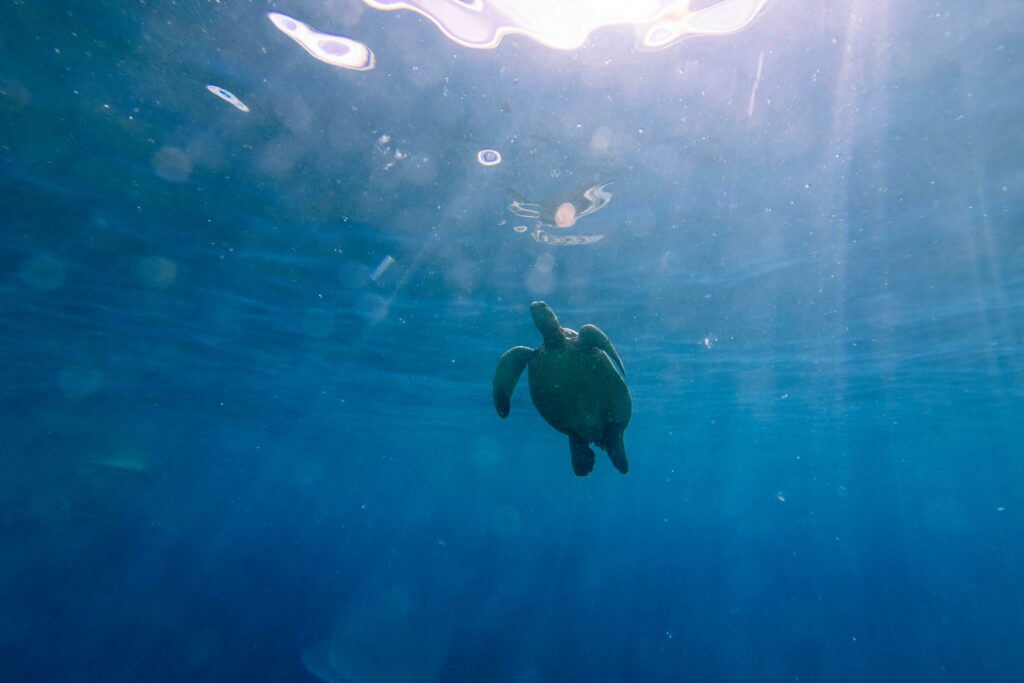
Photo by Jake Houglum
Best spots to see honu: Laniakea Beach, often called “Turtle Beach,” is the most reliable location on the island. Volunteers from local conservation groups frequently station themselves here to keep crowds at a respectful distance. The shoreline near Waimea Bay is another strong spot with fewer crowds, and turtles tend to feed along the rocky sections south of the main beach. If you’re snorkeling at Shark’s Cove or Three Tables, you may encounter them underwater, which is a completely different (and unforgettable) experience.
The 15-foot rule matters. Federal and state law require you to maintain at least 15 feet of distance from honu at all times. This isn’t a suggestion — it’s enforced, and the fines are real. The turtles look calm and approachable, and that’s part of the problem. They’re resting, thermoregulating, or digesting, and even well-meaning proximity causes stress. Use your phone’s zoom or bring a camera with a decent lens. You’ll get the photo without the fine.
Hawaiian Monk Seals
Spotting a Hawaiian monk seal on the North Shore is one of those moments that makes you put your phone down and just watch for a minute. These are among the most endangered marine mammals on the planet, and roughly only 1,400 remain in the wild.
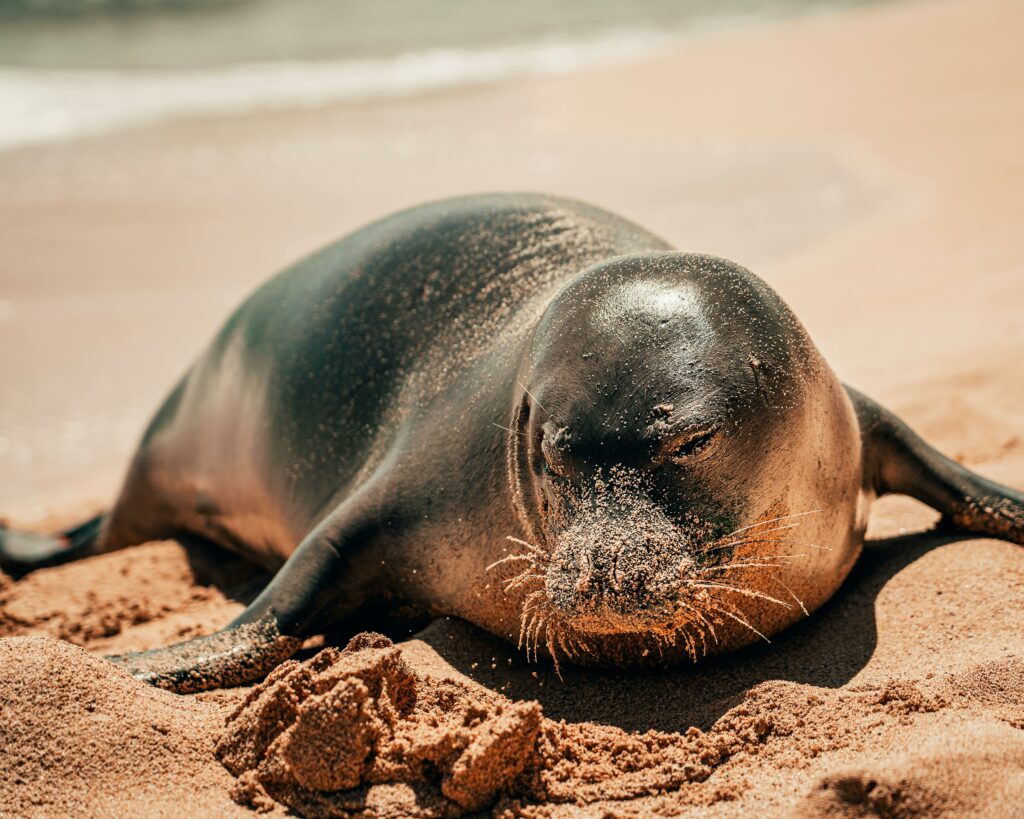
Photo by Sebastian Coman
Monk seals come ashore to rest, and they do it more frequently during summer months. The North Shore has seen increased sightings in recent years, likely due to improved habitat protections and a slowly stabilizing population. Kahuku, Sunset Beach, and the quieter stretches between Turtle Bay and Lā’ie have all had documented haul-outs. When a seal is resting, NOAA marine wildlife volunteers typically rope off a perimeter and post signs. Approaching a monk seal is a federal offense under the Endangered Species Act and the Marine Mammal Protection Act. The penalties are steep, and more importantly, disturbance during rest periods can have real health consequences for the animal.
Here’s what to do if you encounter one: stay back at least 50 feet (the recommended distance for monk seals is greater than for honu), keep dogs away, and don’t position yourself between the seal and the water. If there’s no volunteer present, you can call the NOAA hotline (888-256-9840) to report the sighting so they can send someone to monitor the area.
Chameleons
One of the more unexpected animals you might spot on Oʻahu’s North Shore this summer is the Jackson’s chameleon. Originally native to East Africa, these bright green reptiles were introduced to Hawaiʻi through the pet trade decades ago and have since established populations in the island’s wetter mountain regions. The North Shore’s lush valleys, dense vegetation, and warm summer climate create ideal habitat for them, especially around forested hiking trails and agricultural areas near Kahuku and Pūpūkea.
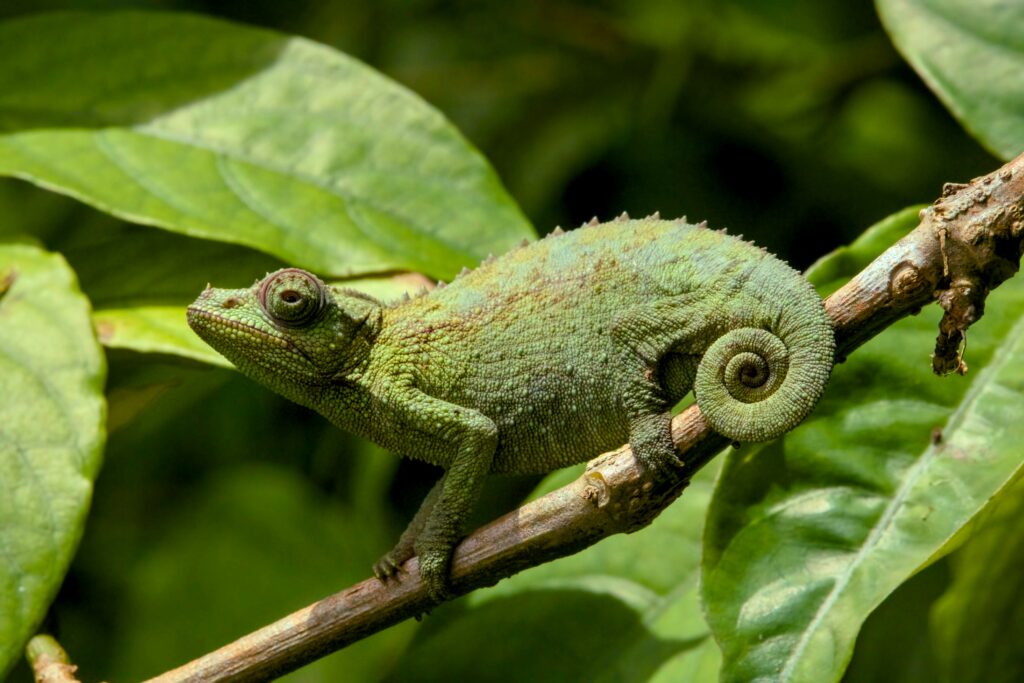
Photo by James Lee
Male Jackson’s chameleons are easy to recognize thanks to the three horns protruding from their faces, giving them an almost miniature dinosaur appearance. They spend most of their time in trees and shrubs hunting insects with long, lightning-fast tongues. Early morning and evening are the best times to spot them, especially after rainfall when they become more active and easier to see against the greenery.
While they’ve become a memorable part of the North Shore wildlife experience for many visitors, chameleons are considered an invasive species in Hawaiʻi because they prey on native insects and snails. That makes them a fascinating reminder of how delicate island ecosystems can be. If you do encounter one during your North Shore adventures, enjoy the sighting from a respectful distance and leave them undisturbed in their habitat.
The Hawaiian Stilt (Ae’o)
The ae’o is one of Hawai’i’s most recognizable native waterbirds because of their long pink legs, black-and-white plumage, and a thin, needle-like bill. They’re endangered, with roughly 1,500 remaining statewide, and the Kahuku wetlands are one of their key habitats on O’ahu. The former sugarcane-era fishponds and marshy lowlands near the Kahuku town area support small breeding populations. Summer is nesting season, and you can sometimes spot them from the roadside along Kamehameha Highway near the old Kahuku Sugar Mill.
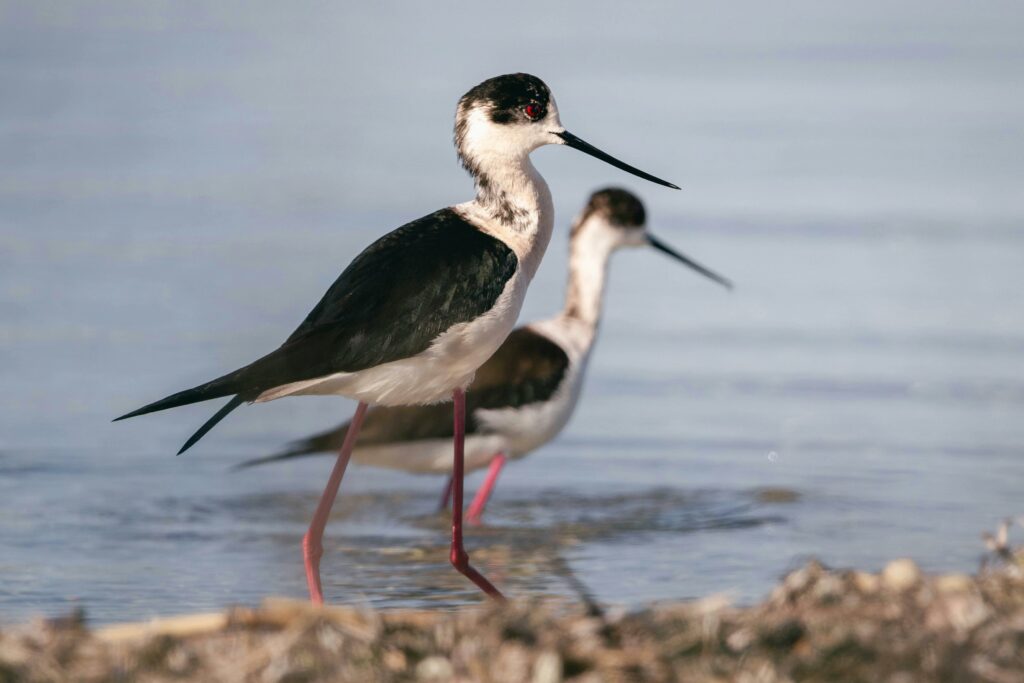
Photo by Denitsa Kireva
The James Campbell National Wildlife Refuge in Kahuku opens for guided tours during certain seasons (check with U.S. Fish and Wildlife Service for current summer schedules). It’s a significant wetland bird habitat and one of those places that almost nobody visiting the North Shore knows about, which is part of its charm.
Spinner dolphins
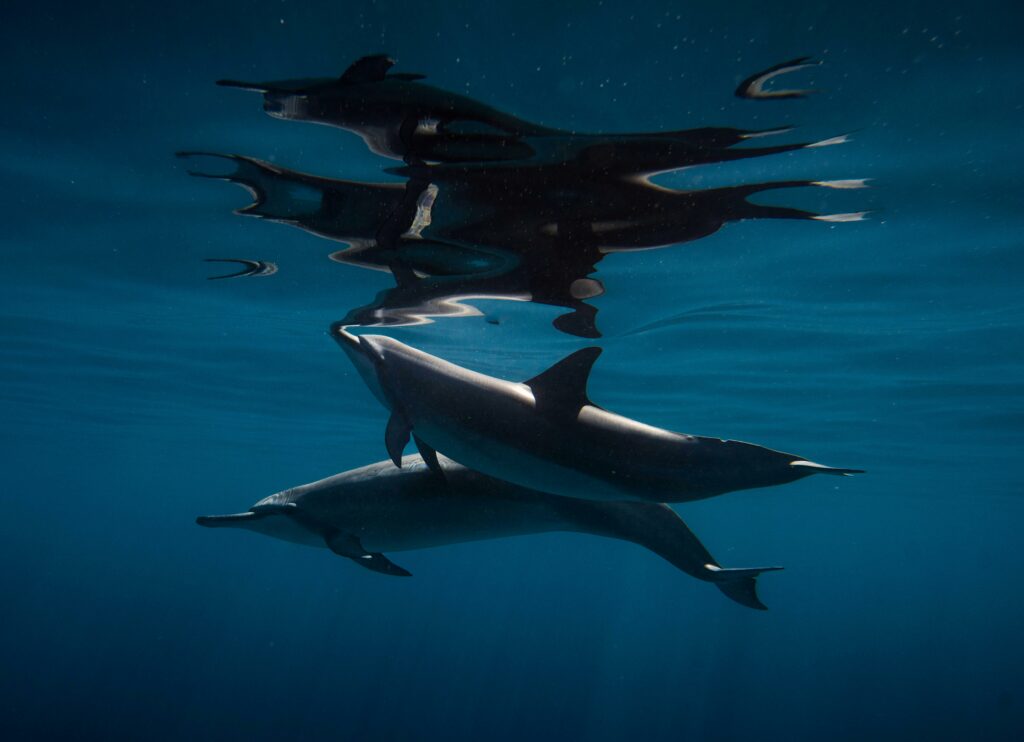
Photo by Daniel Torobekov
Pods of 50 to 200+ spinners frequent the waters between Waimea Bay and Turtle Bay, and they’re most active in the early morning before moving into deeper water to rest. “Spinner” isn’t just a cute name; they leap from the water and rotate along their longitudinal axis, sometimes completing four full spins in a single jump. You can occasionally spot them from shore at elevated points like Pūpūkea or from the bluffs near Sunset Beach, but the best views come from being on or near the water.
Tips for Responsible Wildlife Watching on the North Shore
This section matters more than it might seem. Every year, viral social media posts show tourists in Hawai’i touching monk seals, chasing turtles into the water, or standing way too close to nesting seabirds. These aren’t just bad-look moments, they also cause real harm to animals that are already struggling against habitat loss, climate change, and other pressures.
Never feed, touch, or approach wild animals. This is the foundational rule. Hawaiian green sea turtles and monk seals are both protected under federal law. For honu, maintain at least 15 feet of distance. For monk seals, 50 feet is the recommended minimum. If an animal approaches you, stay still and let it pass.
Use a zoom lens or binoculars instead of closing physical distance. Modern phone cameras have impressive zoom capabilities, and a pair of compact binoculars dramatically improves birding and marine mammal watching without disturbing the animals. If you’re serious about wildlife photography, bring a lens in the 200-400mm range and shoot from a respectful distance.
Respect marked protection zones. When NOAA or local volunteers cordon off an area around a resting monk seal, that barrier isn’t optional. The same goes for any marked nesting areas along the beach. These zones exist because they work; giving the animals space directly improves their survival outcomes.
Go early. The single best wildlife-watching tip for the North Shore in summer is to start your day before 8 a.m. Animals are more active, beaches are less crowded, the light is better for photos, and the overall experience is dramatically more peaceful. Spinner dolphins feed in the early morning. Honu are often on the beach before the midday crowds arrive. Seabirds are most active at dawn. If you’re driving from Waikīkī (about 1 hour 10 minutes to the North Shore), an early departure also means you beat the worst of the traffic heading north.
Report injured or distressed animals. If you see a monk seal, turtle, or bird that appears sick or injured, call NOAA’s hotline (888-256-9840) or the local DLNR tip line. Please don’t attempt to help the animal yourself, well-intentioned interventions often do more harm than good.
Make the Most of Your North Shore Summer Visit
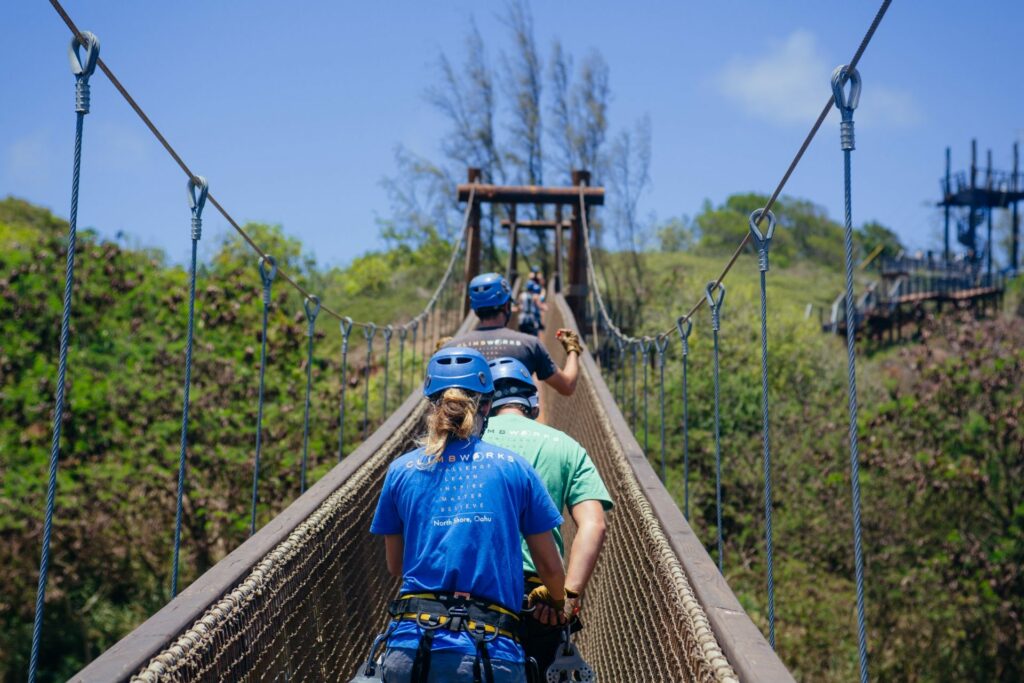
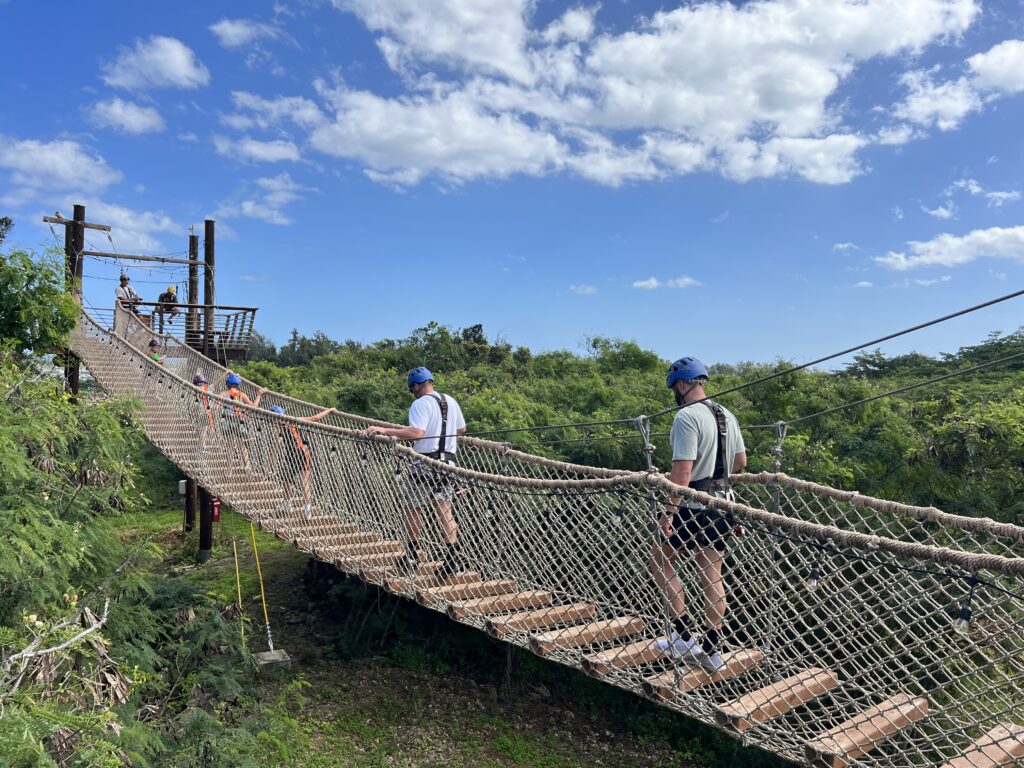
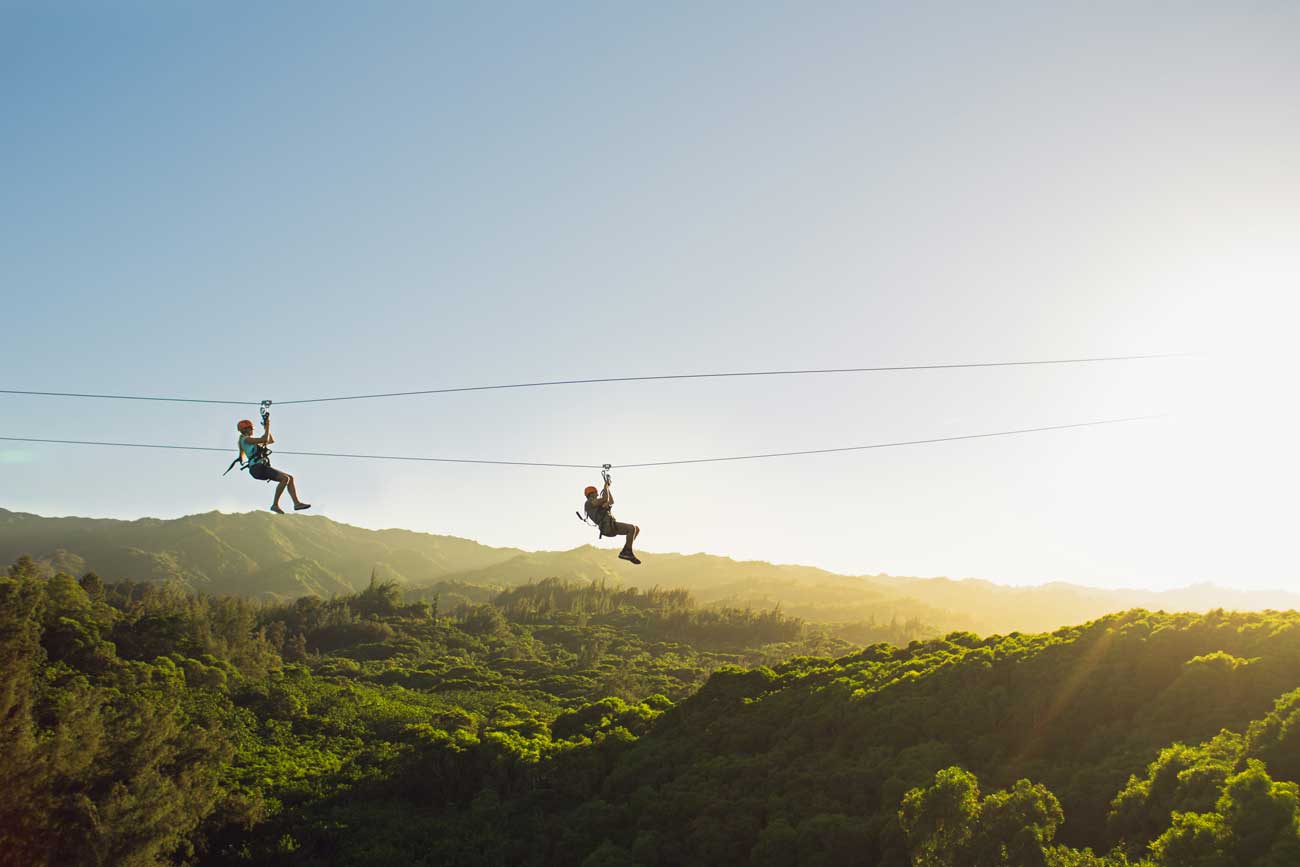
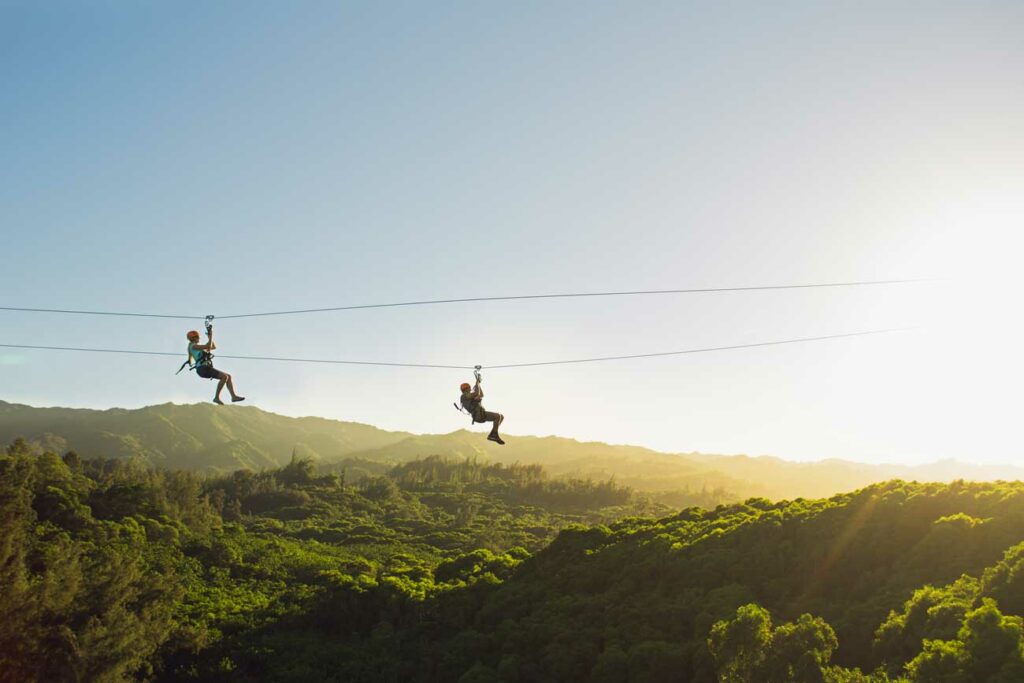
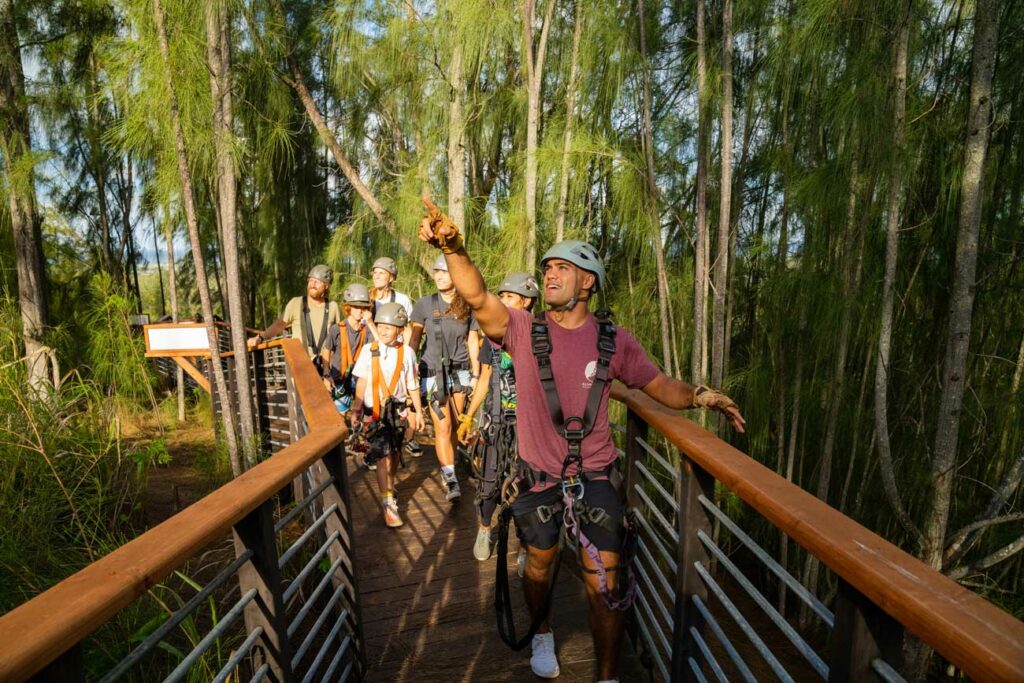
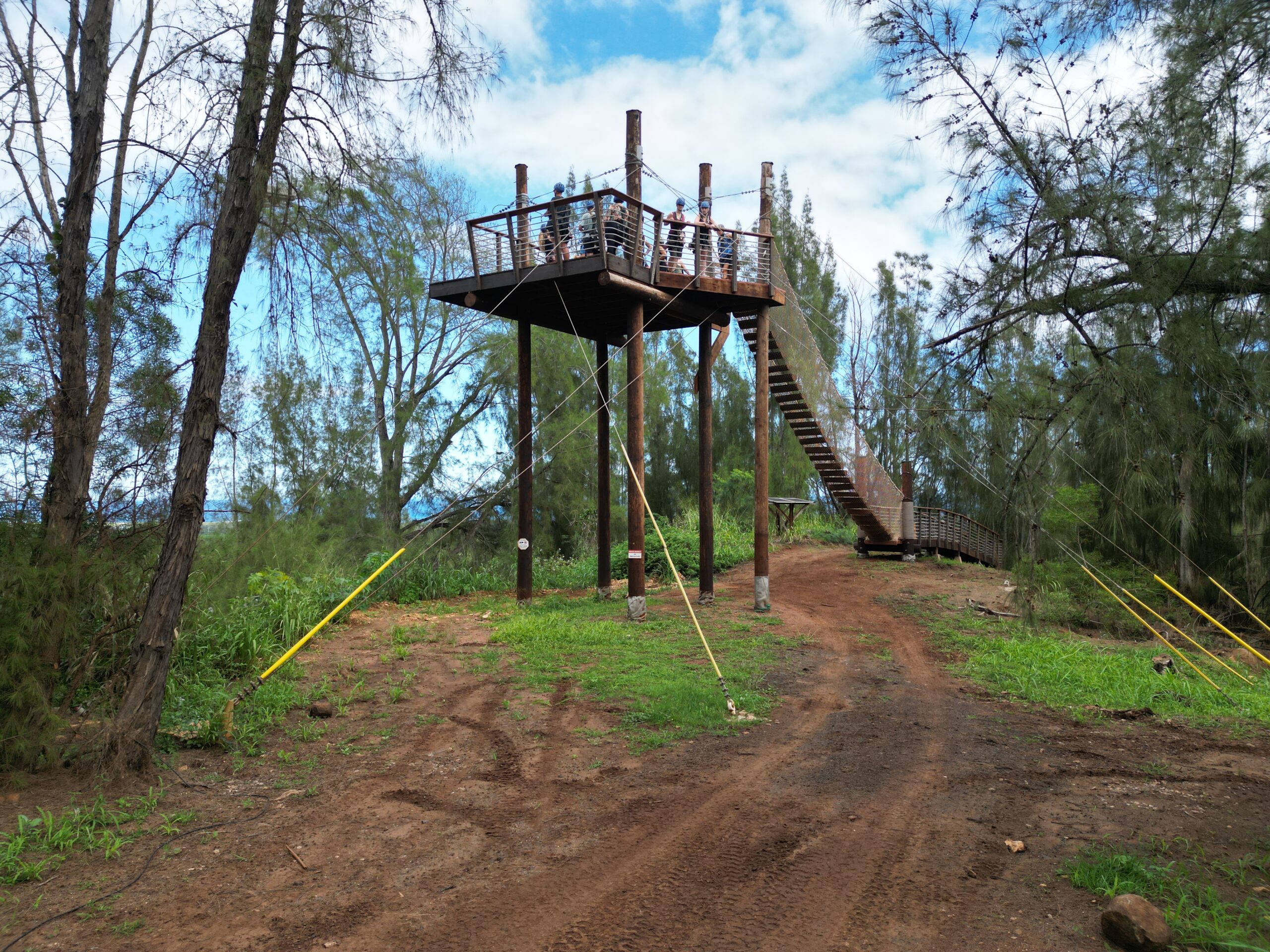
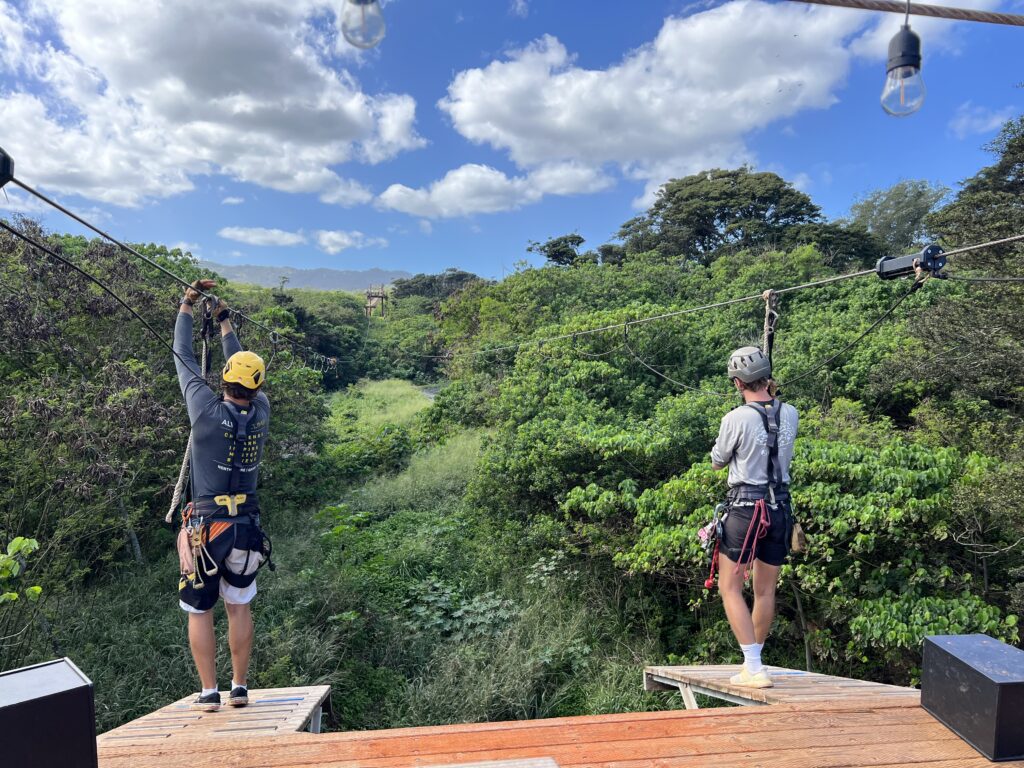
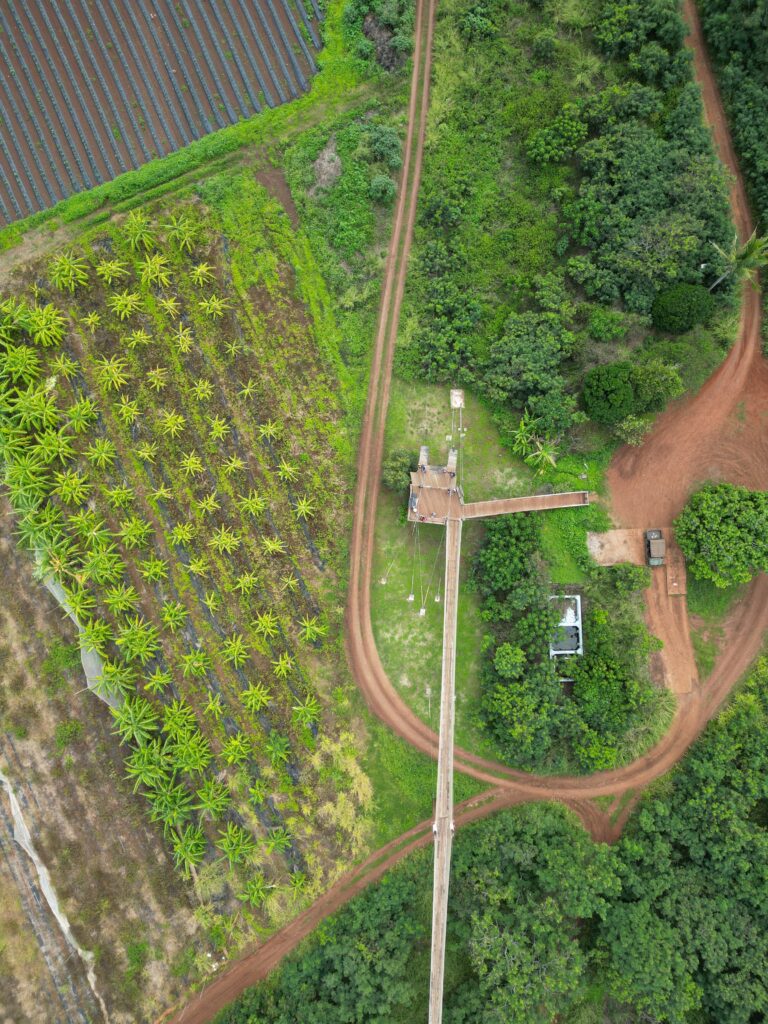
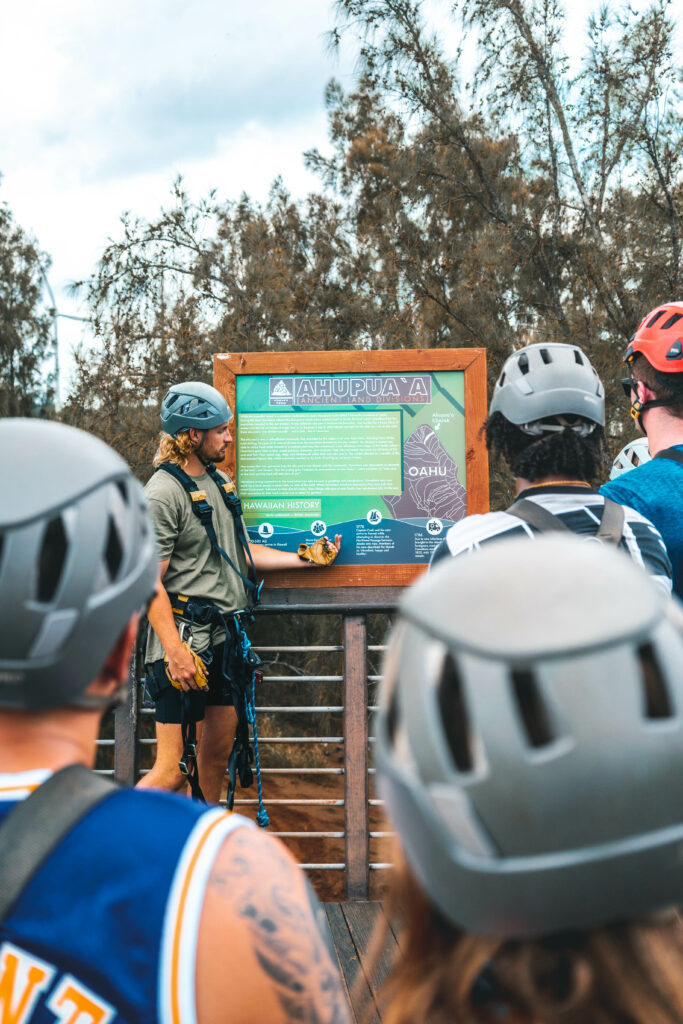
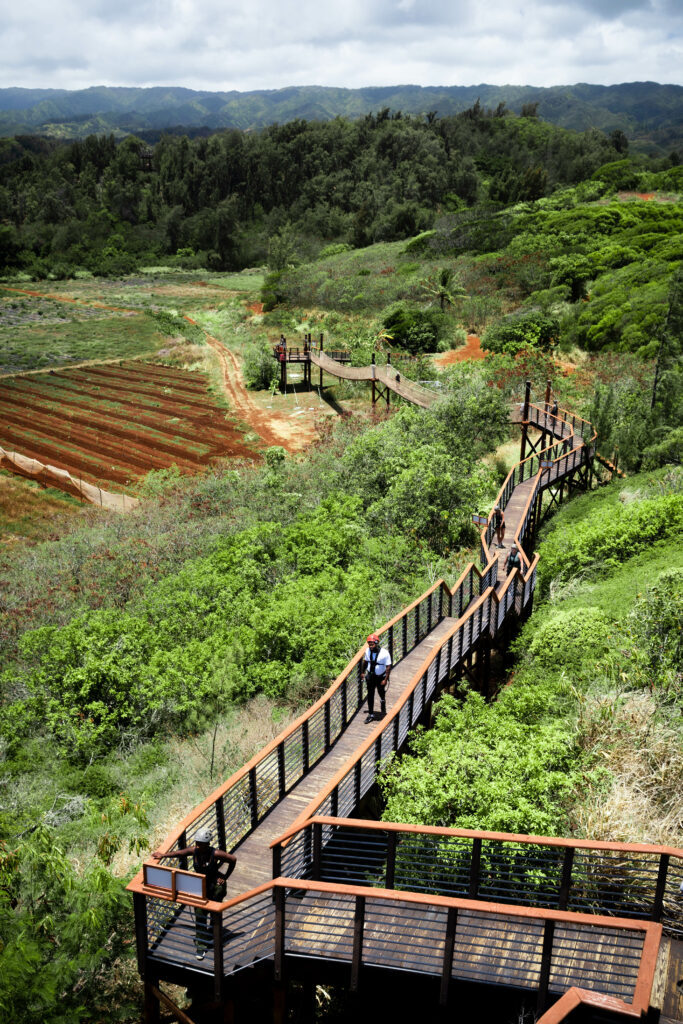
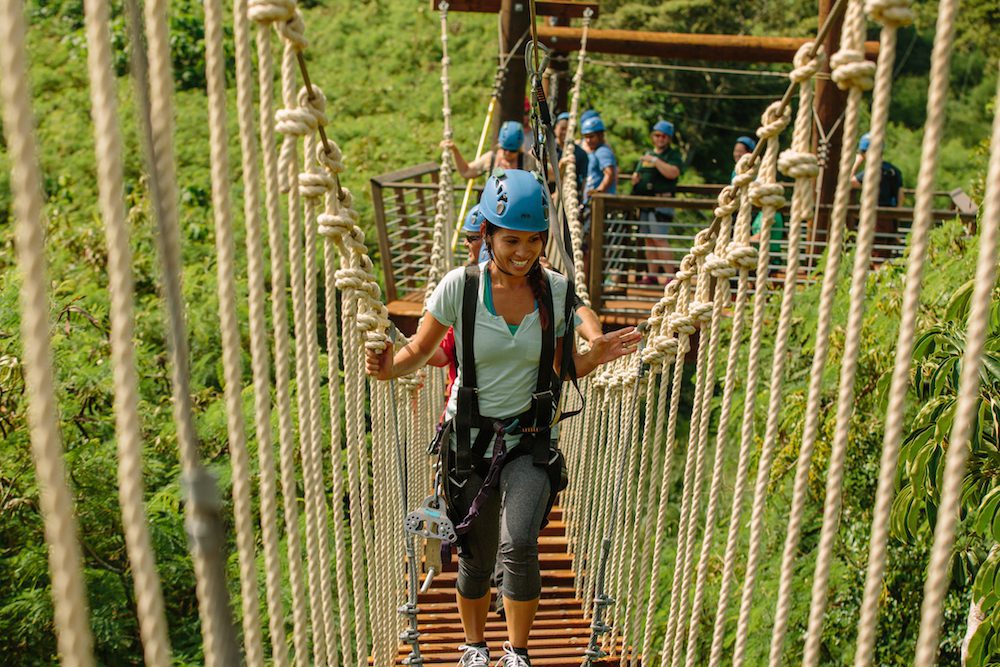
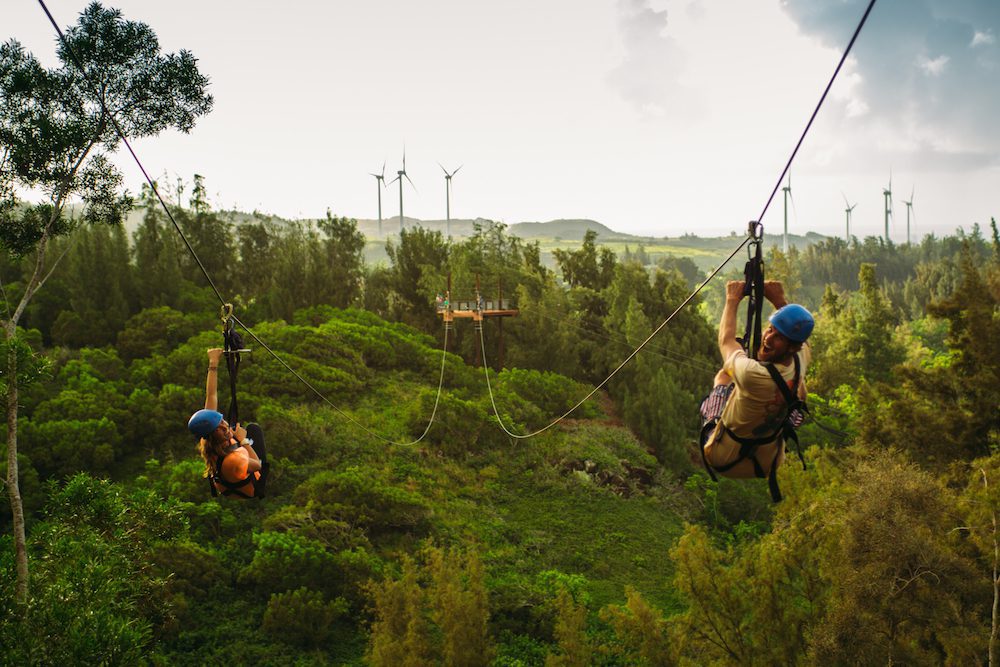
A full day on the North Shore lets you layer wildlife encounters with activity in a way that no other part of O’ahu matches. Start the morning with a snorkel at Shark’s Cove or a walk along Laniakea Beach to spot honu. Then head north to Kahuku for an afternoon CLIMB Works Keana Farms Zipline Tour — eight dual side-by-side ziplines (O’ahu’s longest dual zipline tour, with lines stretching up to nearly half a mile), sky bridges, two controlled rappels, and an educational UTV ride through the working farm where you’ll taste tropical fruit and meet the resident goats. The whole experience runs about 2.5 to 3 hours and includes views of the Ko’olau Mountains and the coastline that put the entire North Shore landscape into context from above.
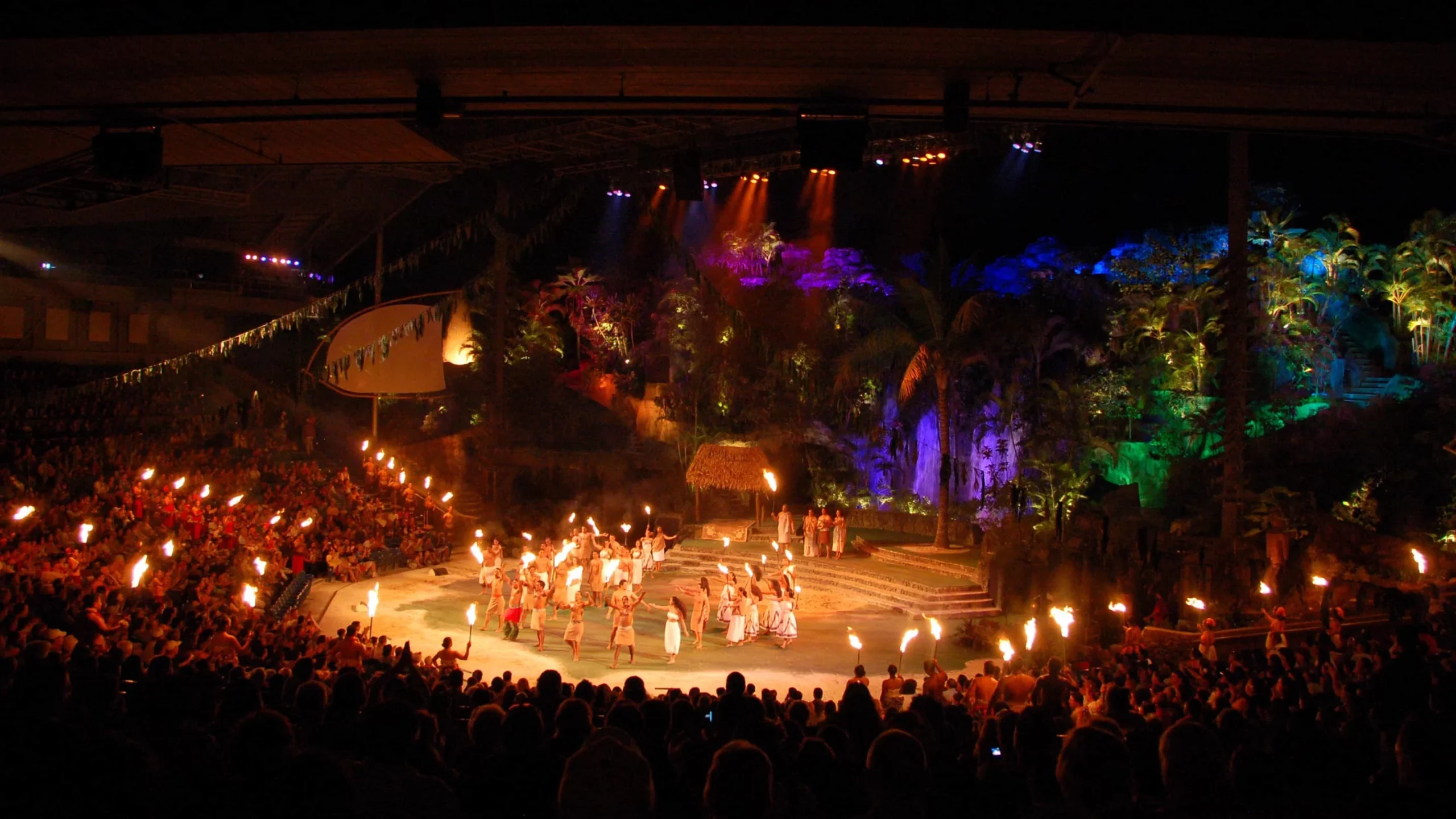
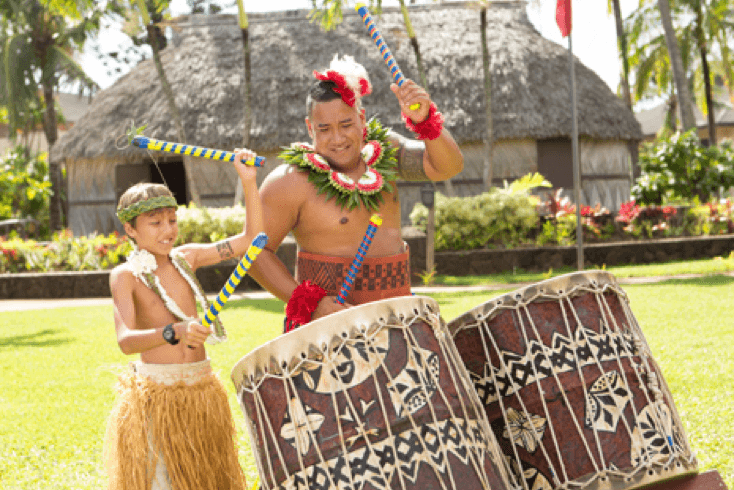
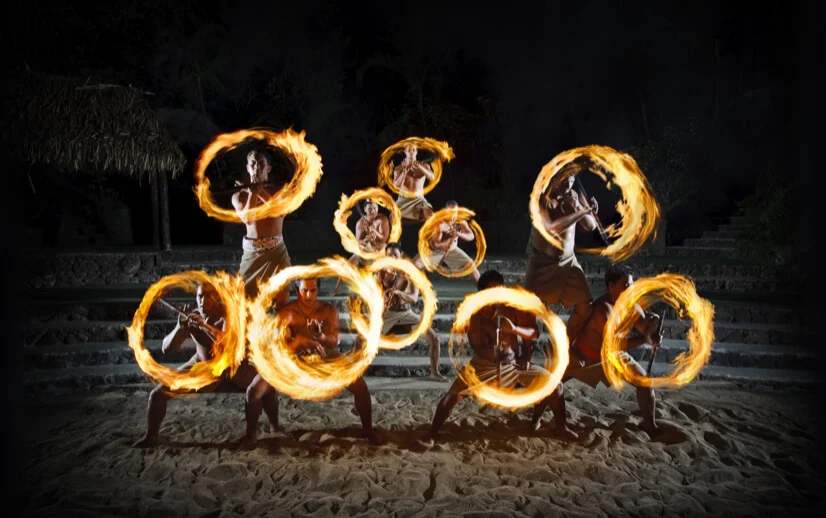
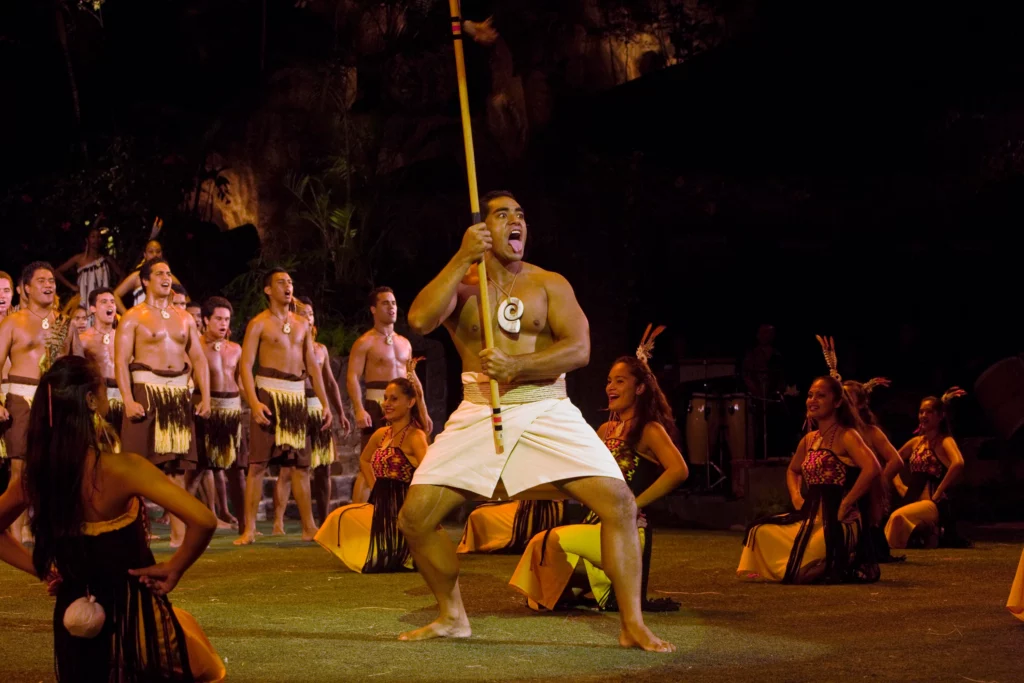
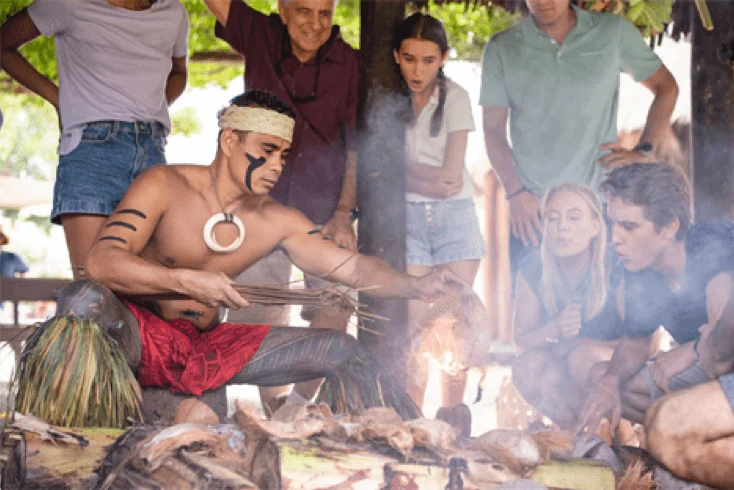
If you’re looking to extend the day, the Polynesian Cultural Center is just 7 minutes from Keana Farms in Lā’ie. A combo package pairs the zipline tour with all-day PCC access — Island Villages, the Gateway Buffet, and the HĀ: Breath of Life evening show — saving up to $47 per person. It’s genuinely one of the best full-day itineraries on O’ahu, and the combination of North Shore wildlife, aerial adventure, and cultural immersion is hard to beat.
The North Shore in summer is quieter than winter, less hyped, and arguably more rewarding for the kind of traveler who cares about what’s actually living here. The wildlife is part of that story. Come see it for yourself.



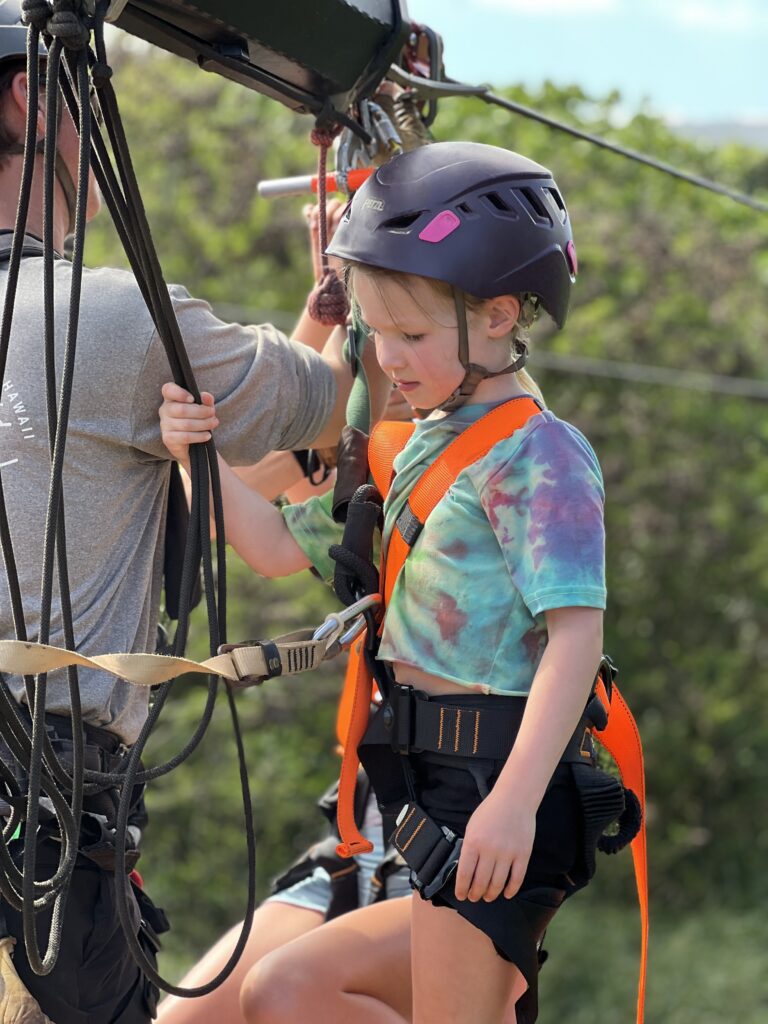
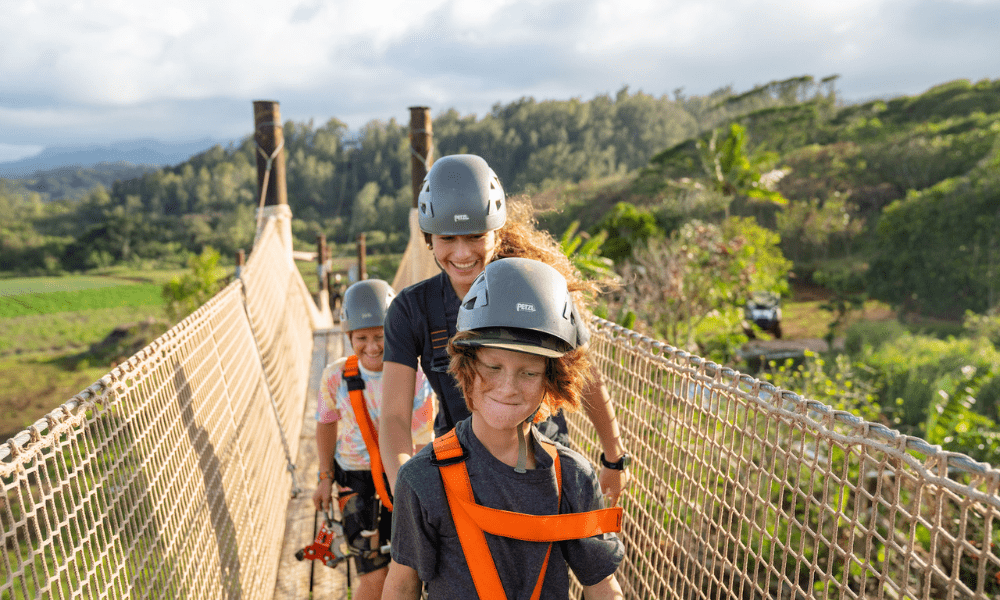
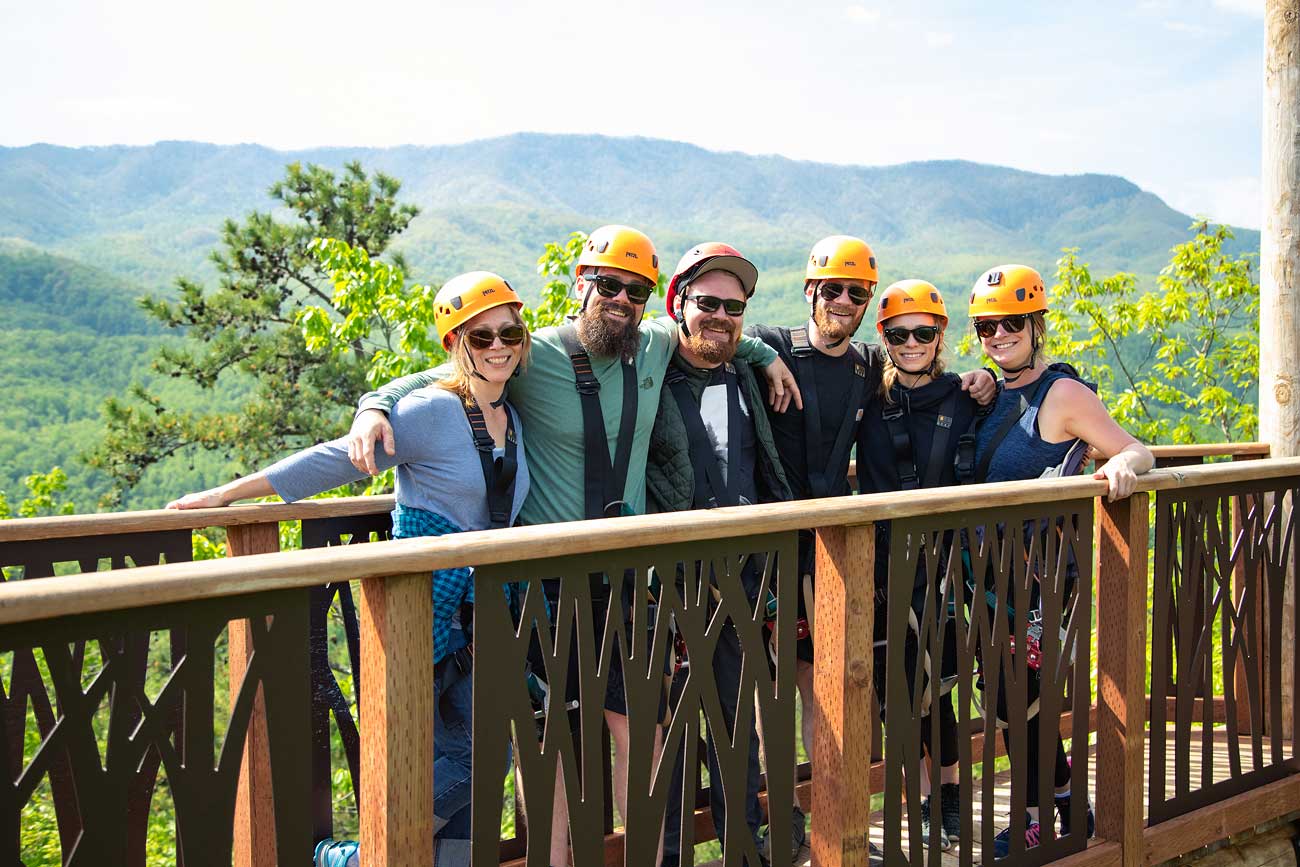
 We take pride in our CLIMB Works Ohana and welcoming our guests to our zipline family! What can start out as a fun family spring break or summer vacation can turn into an annual family tradition at CLIMB Works!