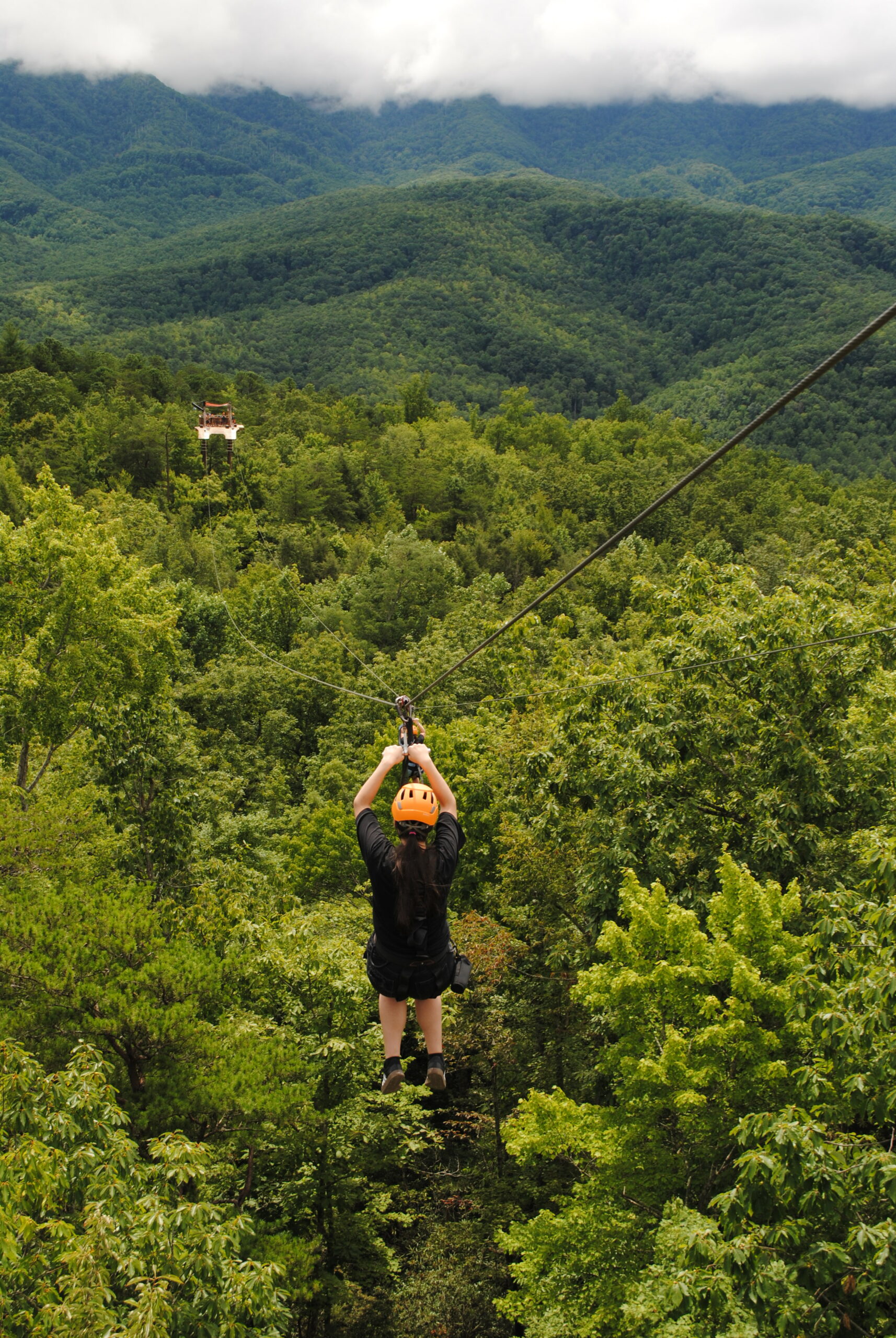
Pigeon Forge has its charms; Dollywood is great, the pancake houses are a tradition, and there’s something oddly endearing about all that neon. But if your entire trip stays on the Parkway, you’re missing the reason most people fall in love with this part of Tennessee in the first place: the mountains themselves.
The real hidden gems near Pigeon Forge sit just minutes off the main drag, tucked into the national park, perched on ridgelines, or flowing down rivers most visitors never even hear about. Here’s what’s worth your time:
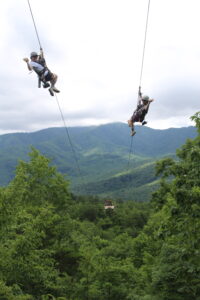
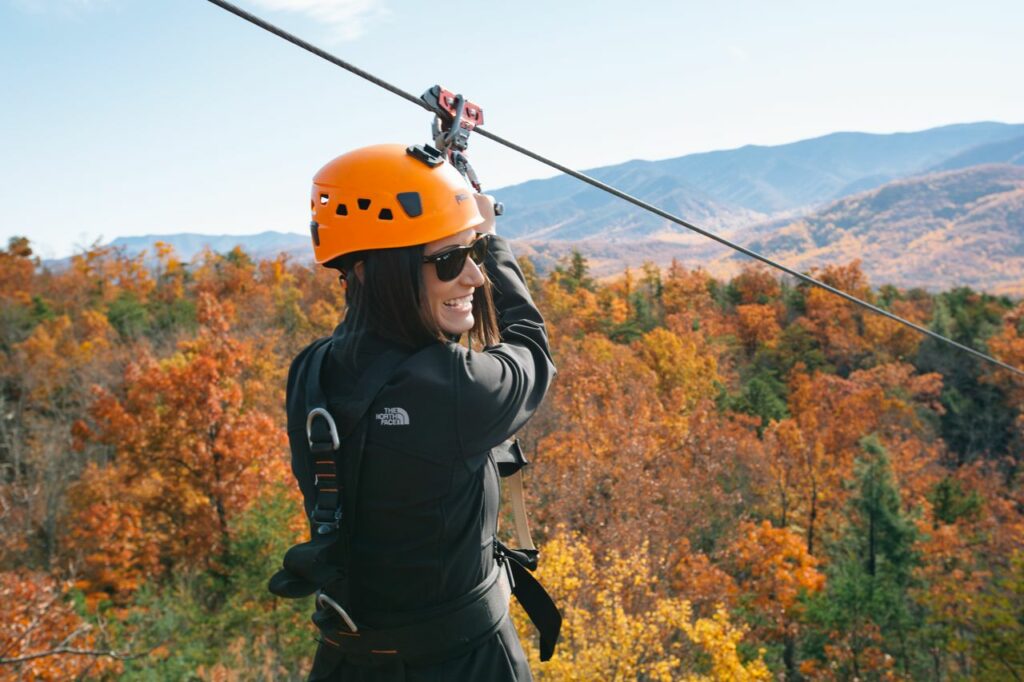
- Mountaintop ziplining at CLIMB Works Smoky Mountains: a full adventure tour surrounded by national park land
- Laurel Falls Trail: freshly renovated and more accessible than ever after its Spring 2026 reopening
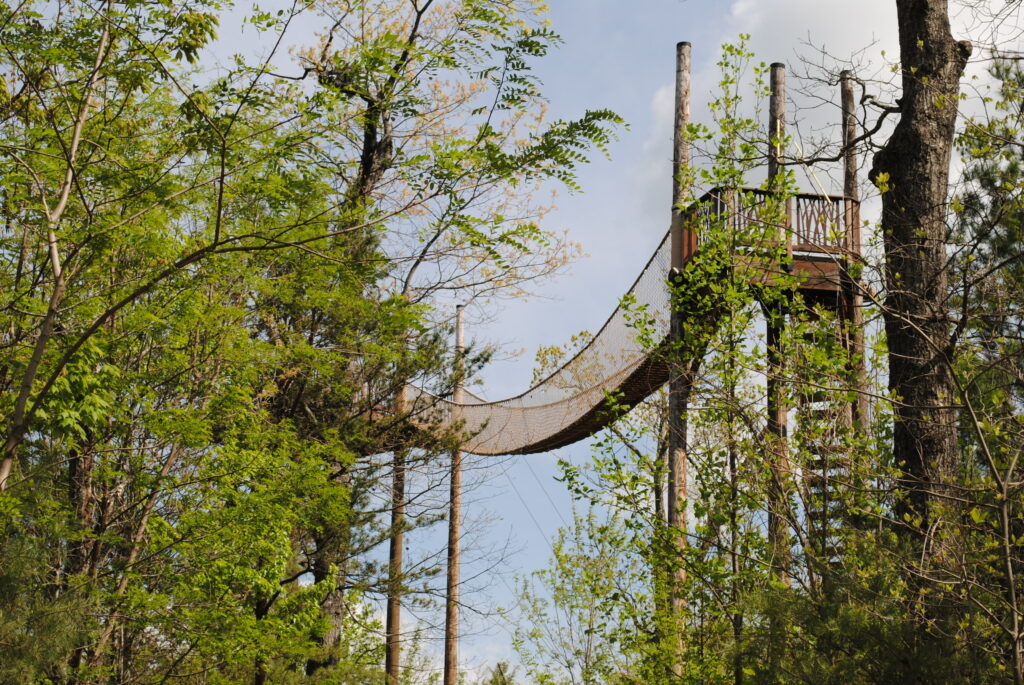
- Anakeesta’s Treetop Skywalk: a canopy-level walking experience above downtown Gatlinburg
- Whitewater rafting with Smoky Mountain Outdoors: age-range tours on a river you probably haven’t heard of yet
- Roaring Fork Motor Nature Trail: a one-way scenic drive most tourists skip entirely
- Clingmans Dome at sunrise or sunset: the highest point in the Smokies, minus the midday crowds
These aren’t ranked in order; they’re all worth it, and several pair together beautifully for a single day. Let’s dig in.
Mountaintop Ziplining at CLIMB Works Smoky Mountains
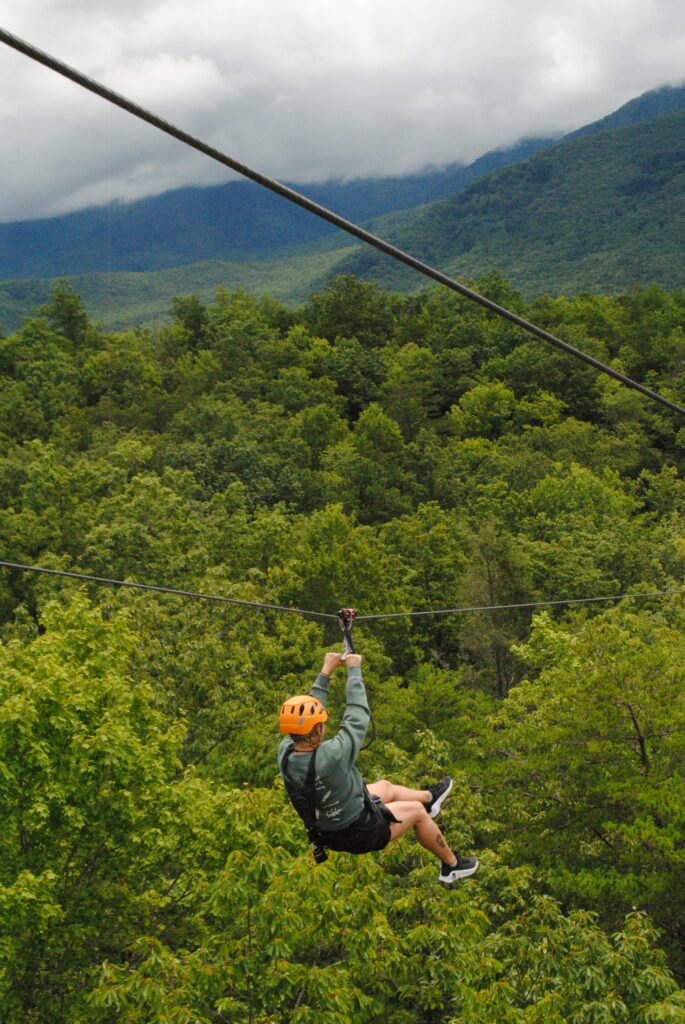
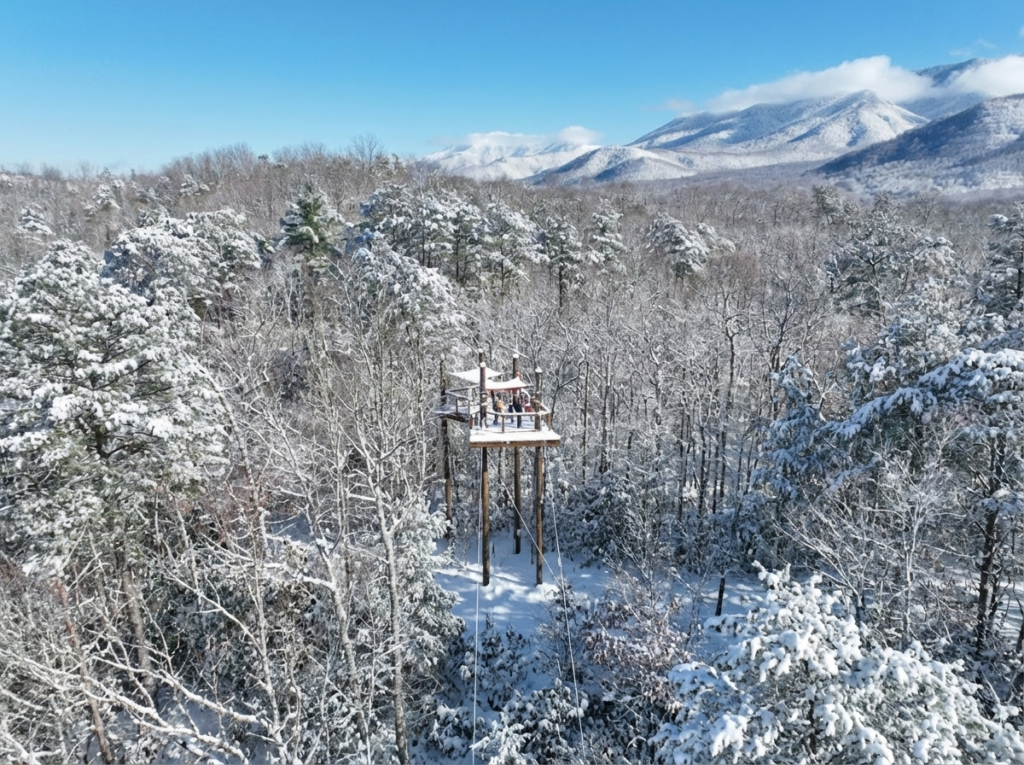
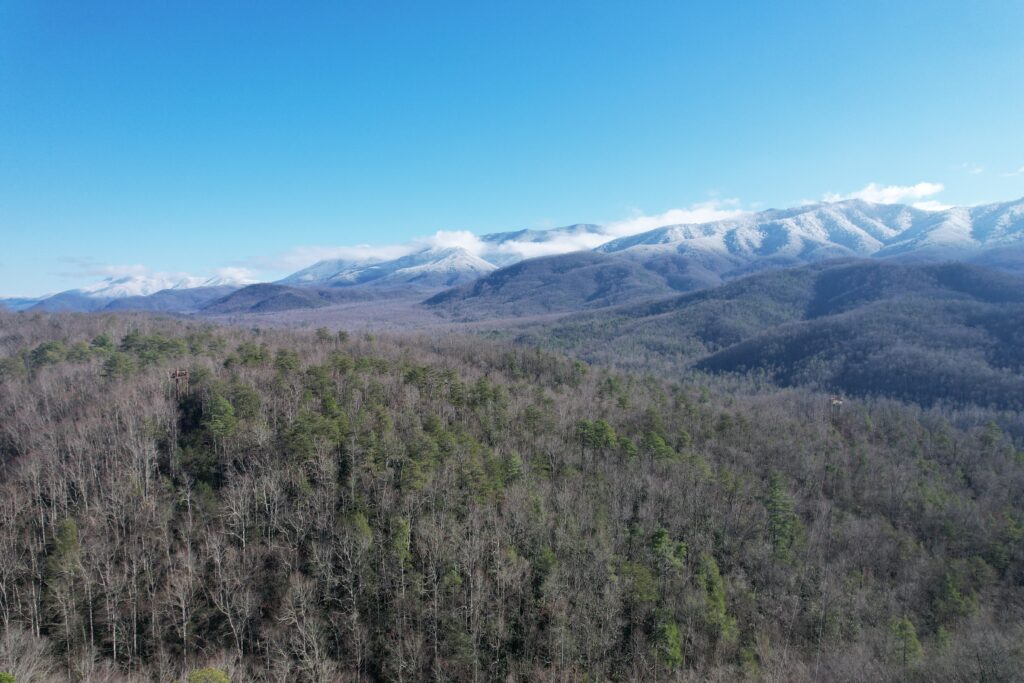
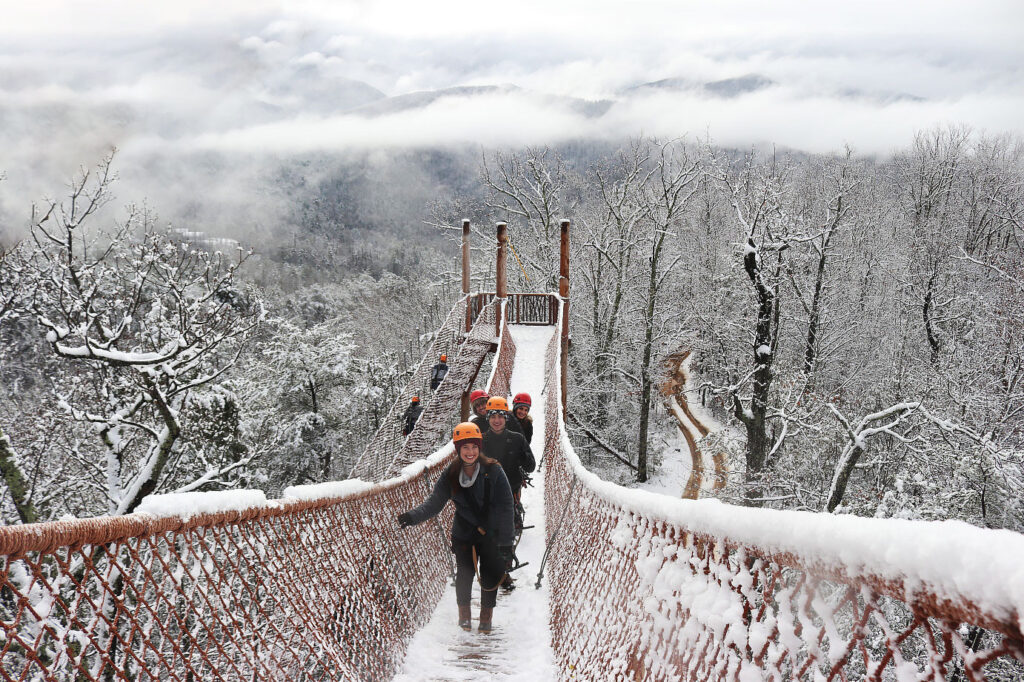
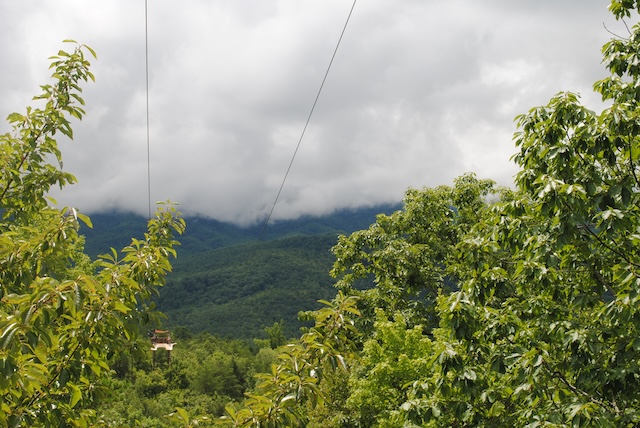
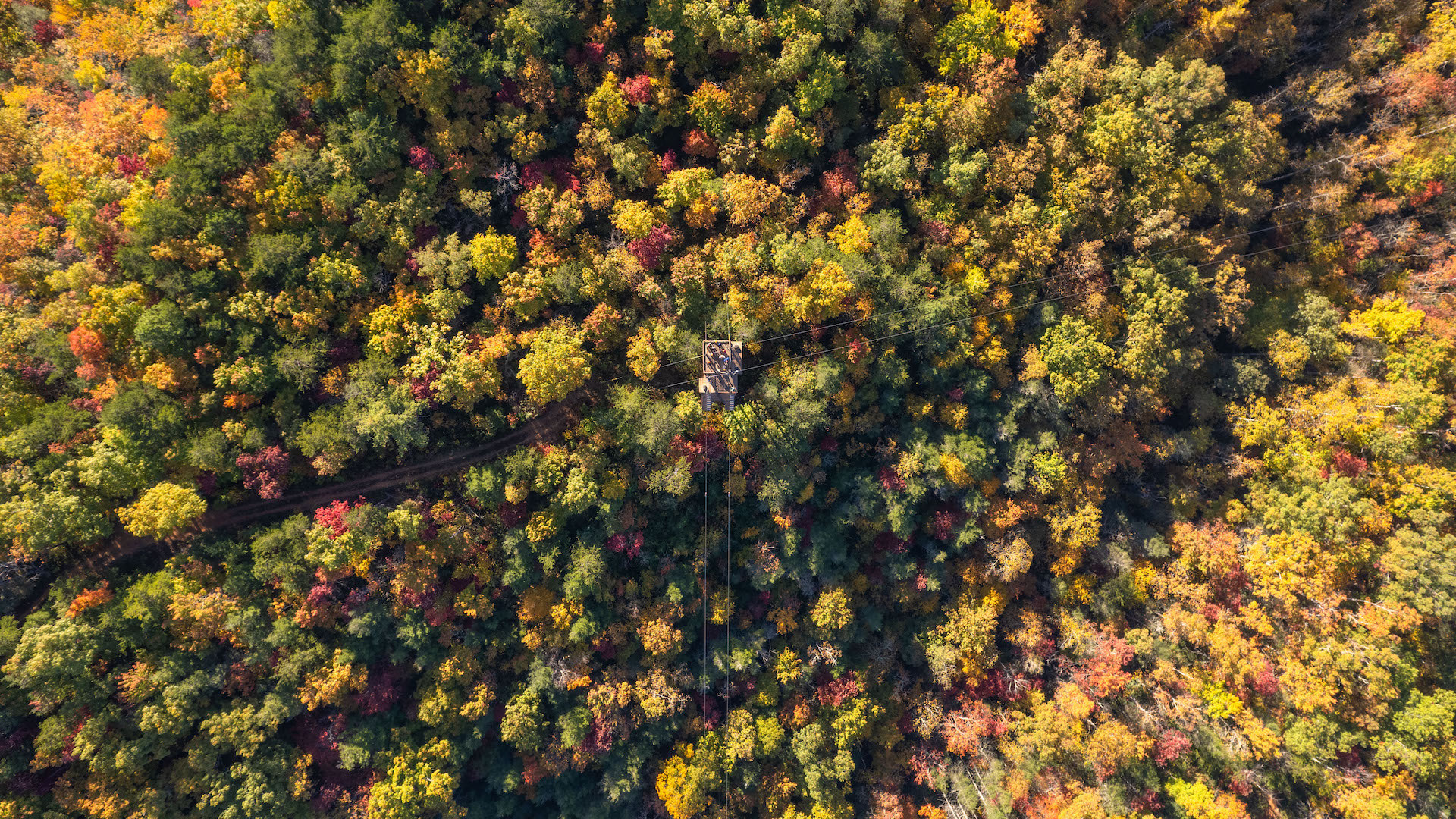
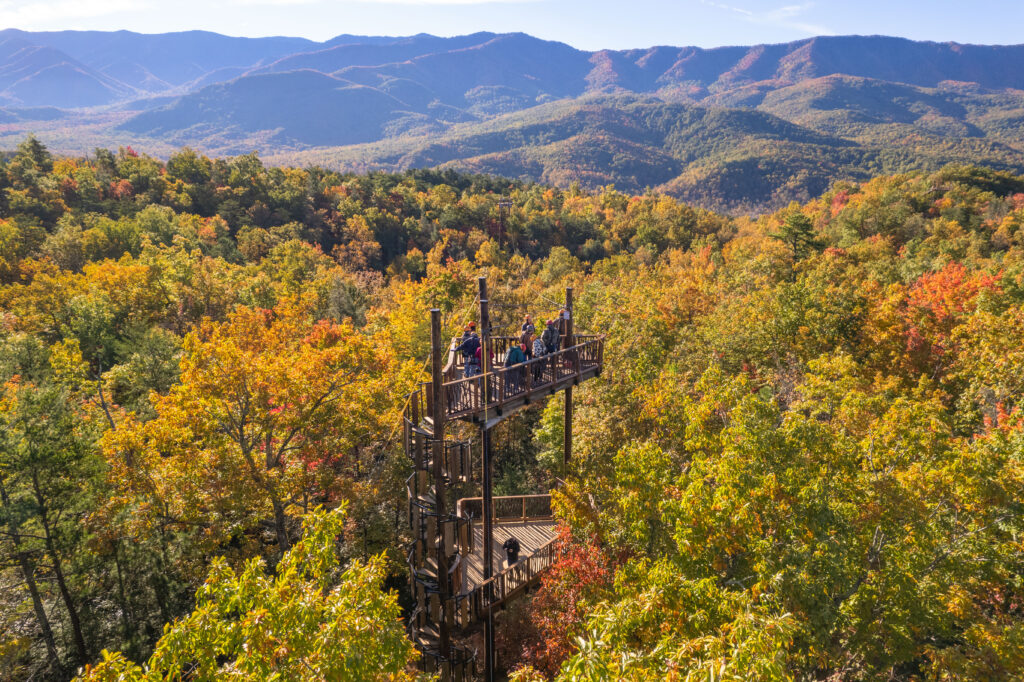
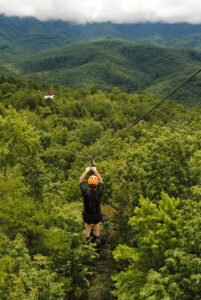
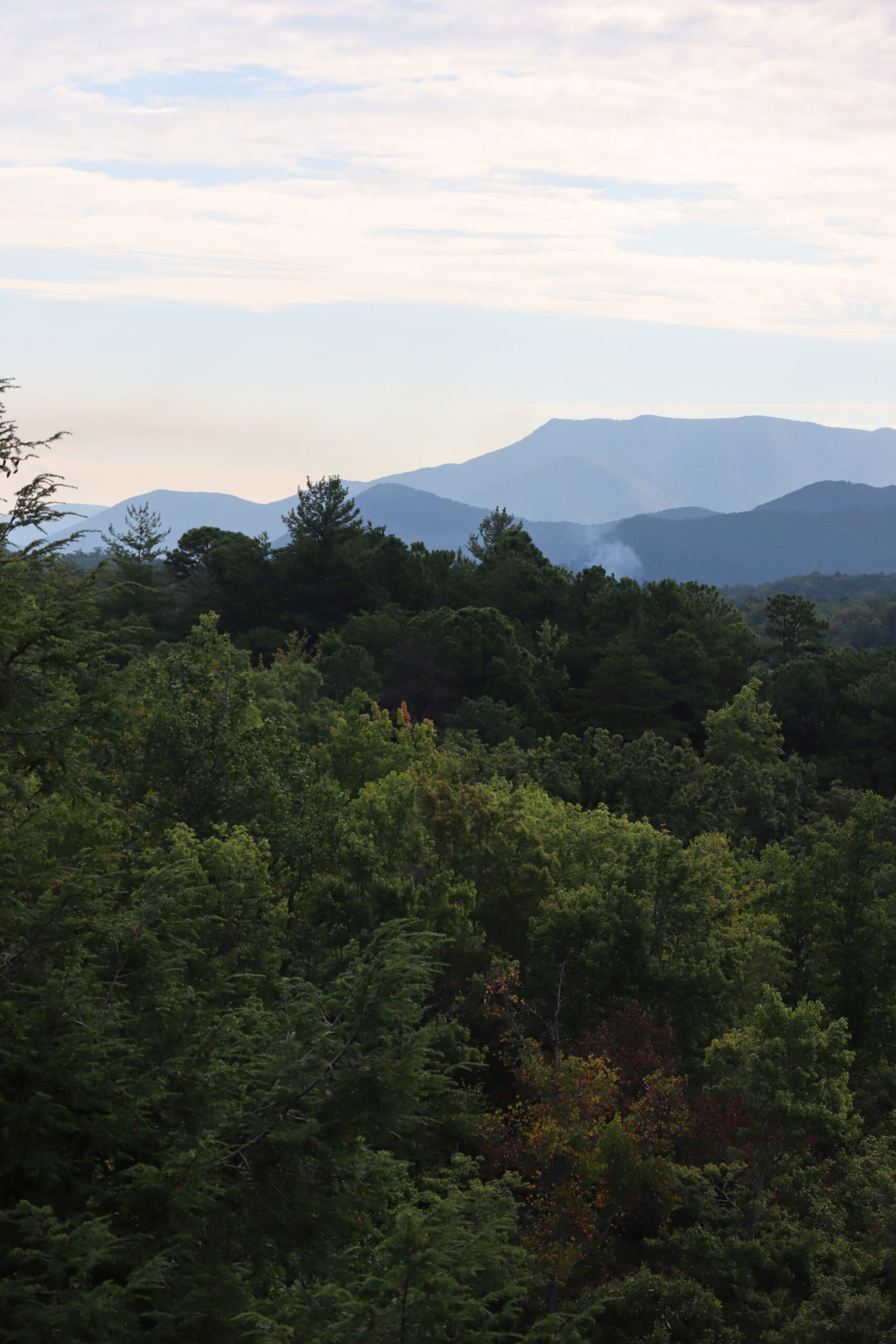
Most people picture the Pigeon Forge strip when they think “activities near the Smokies.” But our home base at 155 Branam Hollow Rd in Gatlinburg sits surrounded on three sides by Great Smoky Mountains National Park. When you’re on our lines, the national park is what you’re looking at, what you’re flying over, and what’s filling the air with that distinctive Smoky Mountain haze.
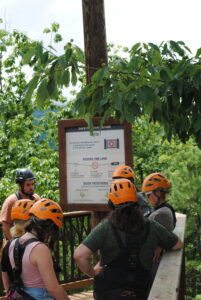
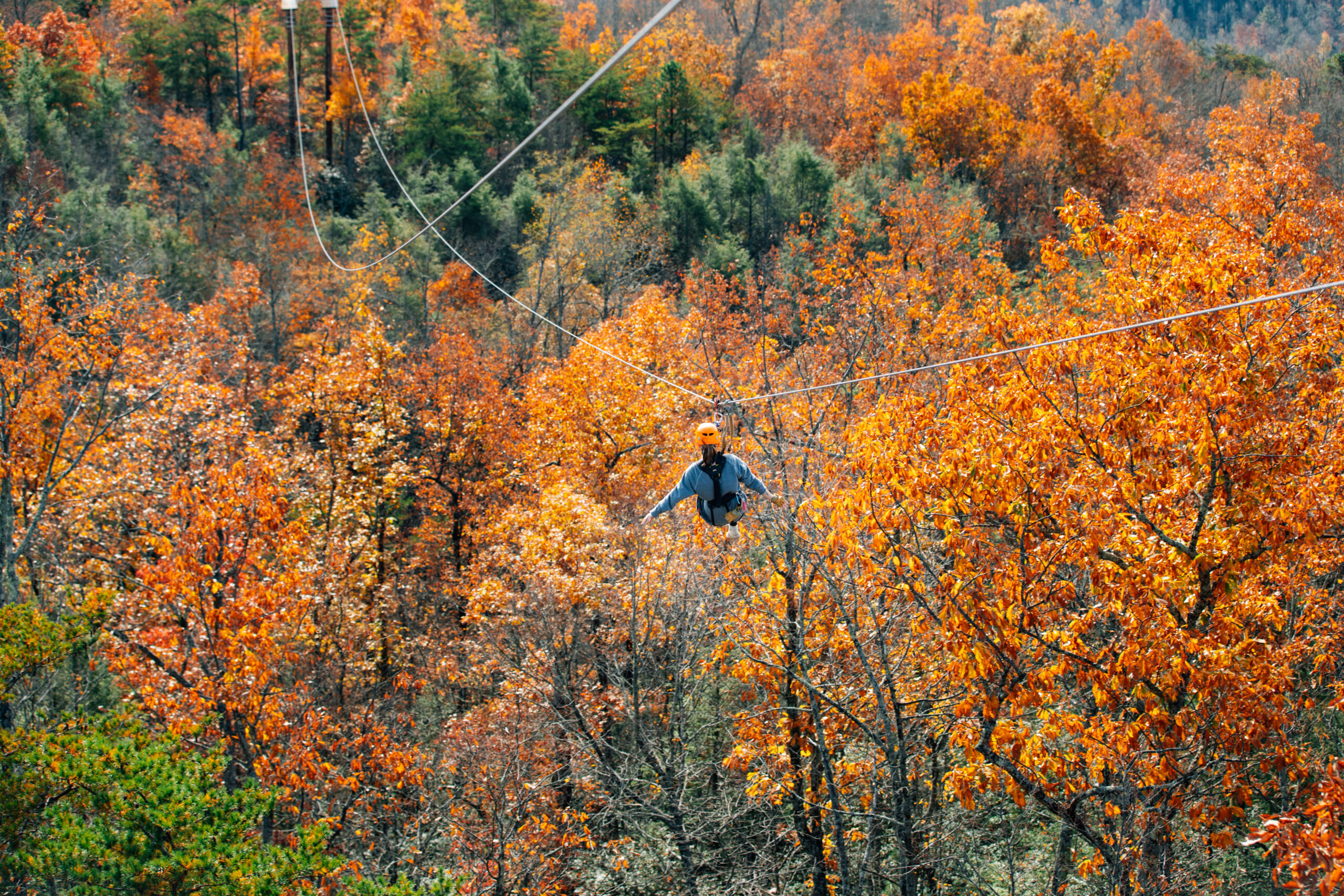
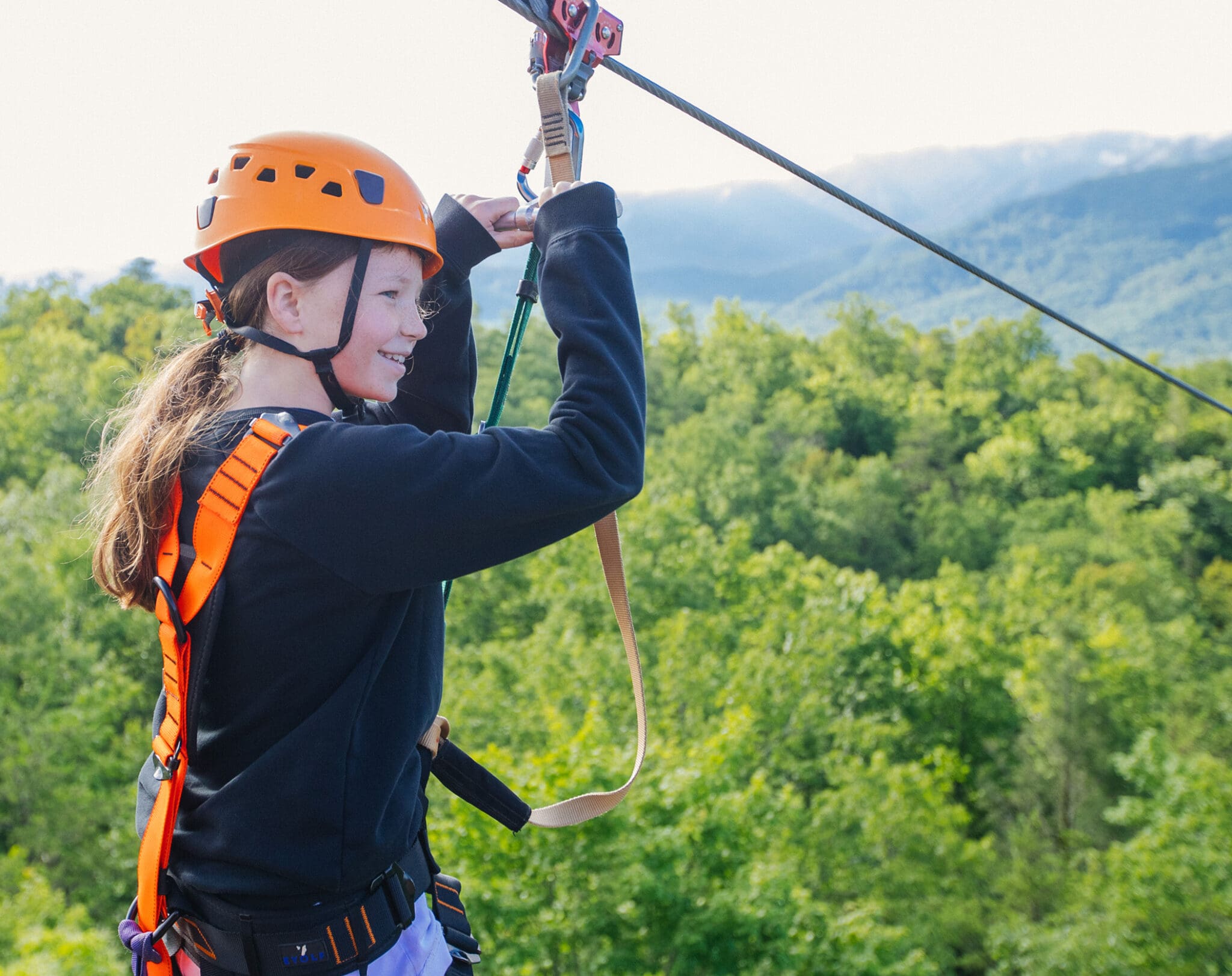
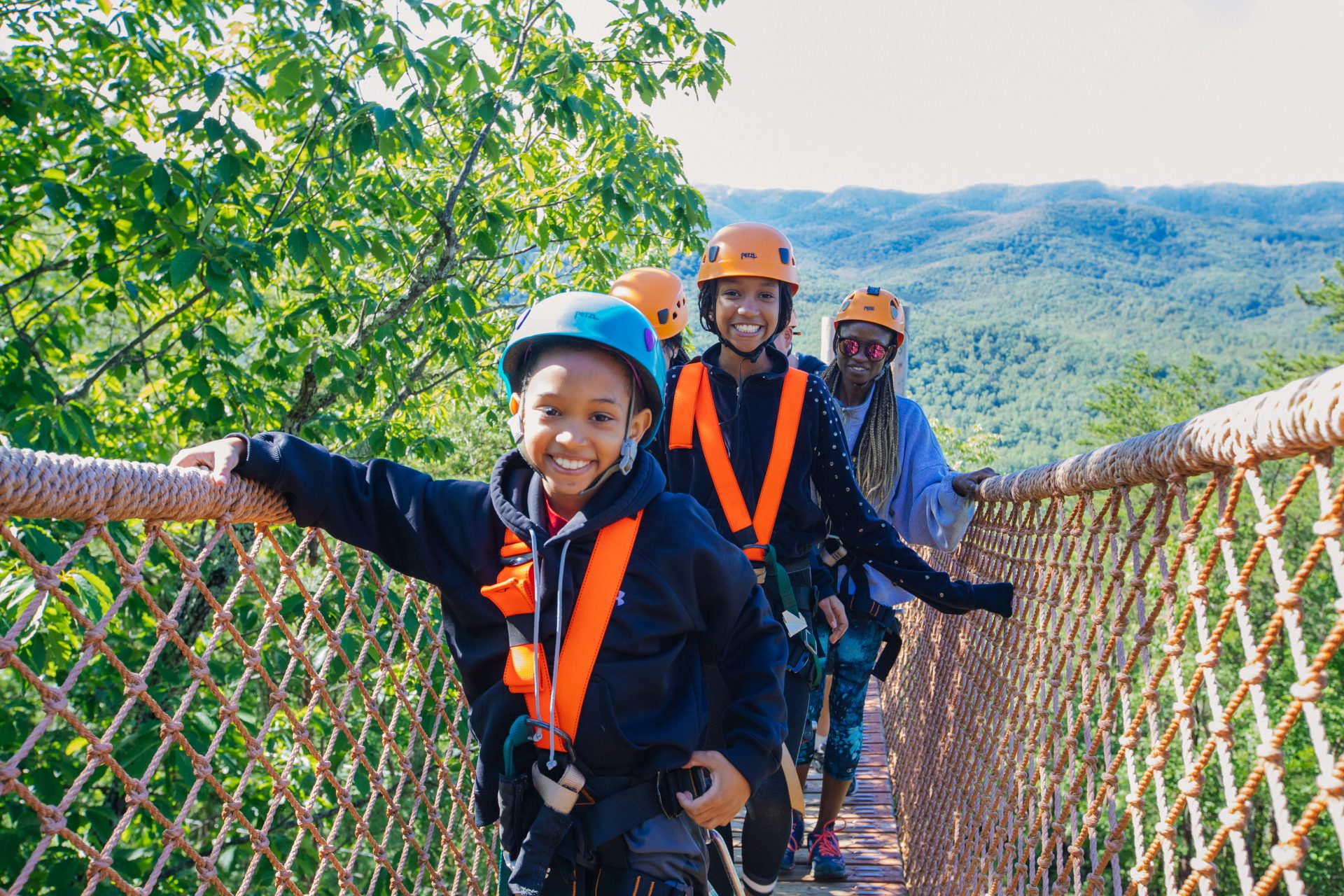
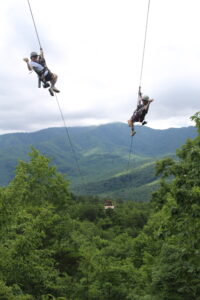
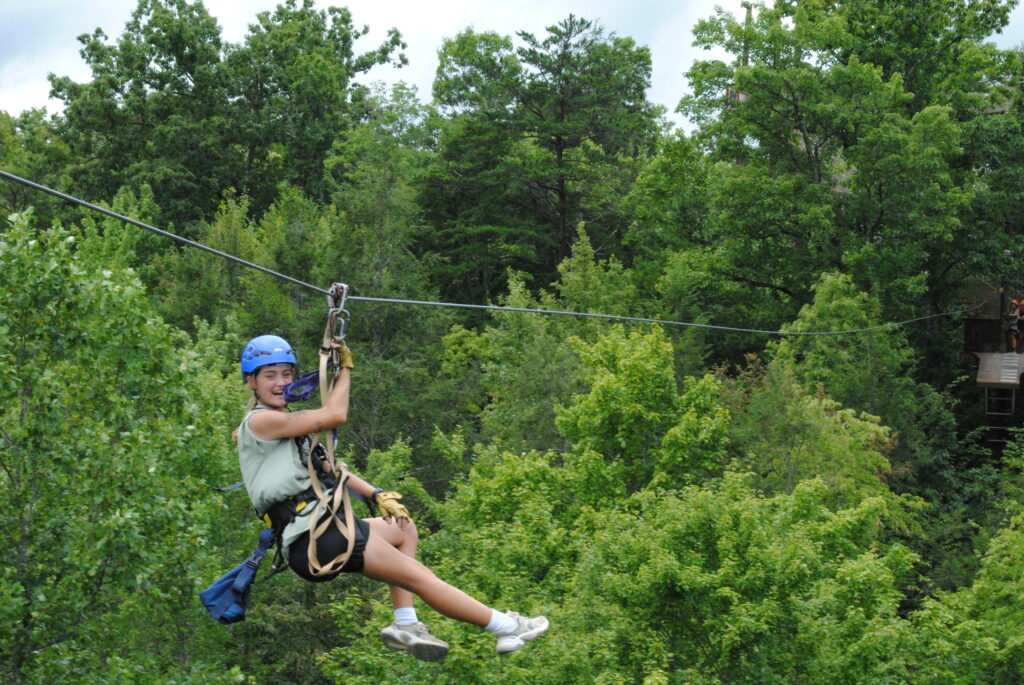
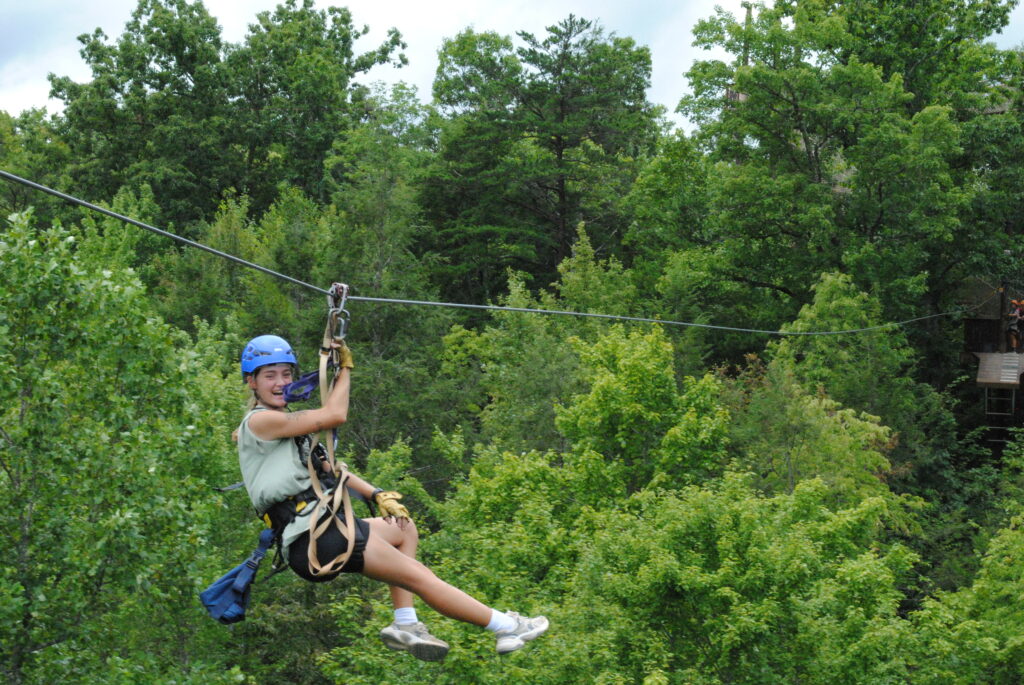
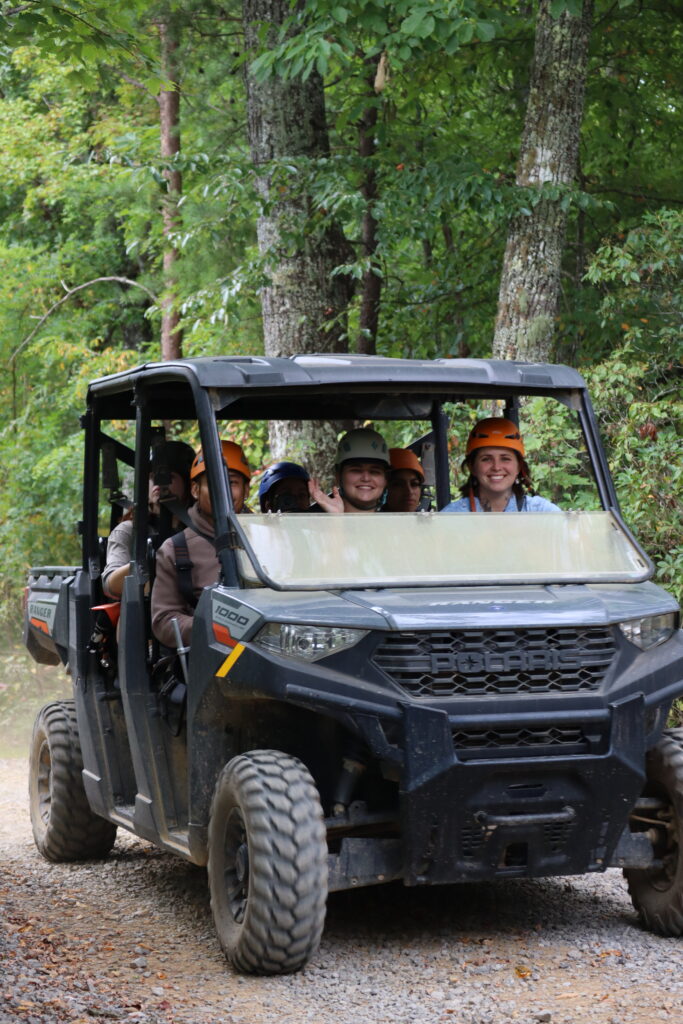
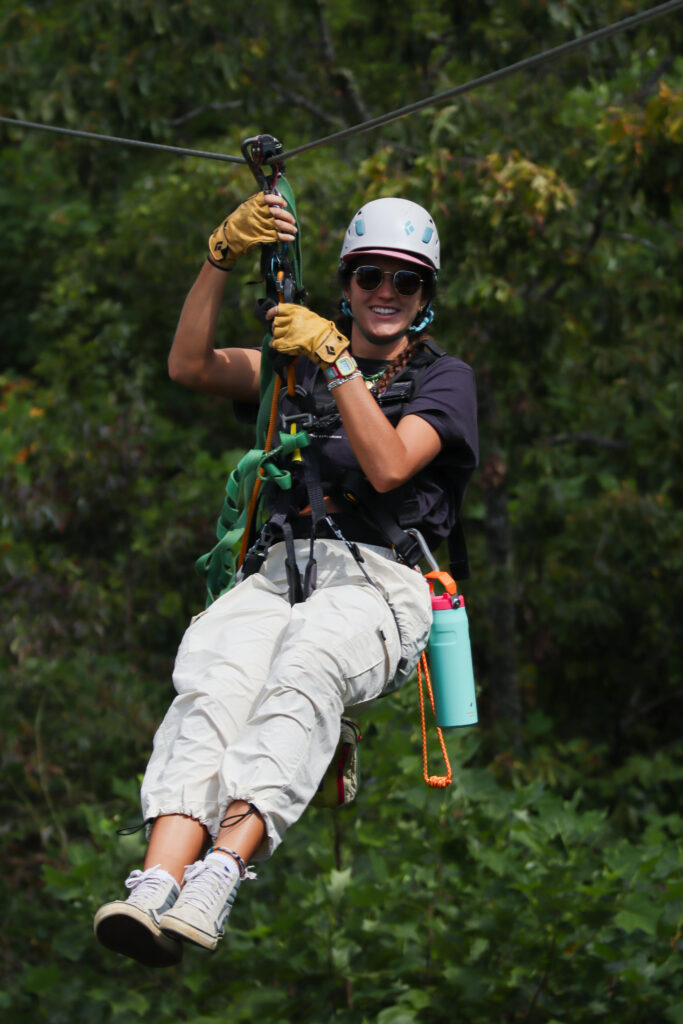
Our Mountaintop Zipline Tour packs 11 adventures into a single guided experience that runs about two hours. That includes dual side-by-side ziplines (so you can fly next to your partner, your kid, or a stranger you’ve decided to race), three aerial bridges, a controlled rappel, and a scenic UTV ride that gains over 400 vertical feet to get you up to the launch point. It’s not just clipping into one zipline and walking back, it’s a full mountaintop journey with changing perspectives the whole way.
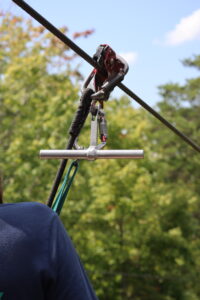
Here’s the part that makes it an accessible hidden gem: our innovative braking system means no hand braking is required. You don’t have to squeeze anything, time anything, or worry about anything. Expert guides handle all equipment hookups and transfers between elements. We see families with kids as young as five, grandparents, and people who swore they’d never do anything like this — and they all finish with the same grin.
The tour operates rain or shine. We only close for lightning or sustained winds above 35 mph, which means a drizzly morning doesn’t wreck your plans (and honestly, fog rolling through the mountains while you’re on a zipline is a pretty unforgettable visual). A few logistics worth knowing: arrive 40 minutes before your tour time. Closed-toe shoes are required, though we have rentals available if you forget. Free lockers at check-in hold your keys and small items. Bathrooms are at check-in only, so plan accordingly.
You can book online 24/7 or call (865) 325-8116. Reservations are strongly recommended, especially if you’re visiting during peak season — we suggest booking five or more days ahead in summer and October. Speaking of October, the best time to visit the Smoky Mountains for fall color is hard to beat from our vantage point, since leaves turn first at the higher elevations where our tour operates.
Laurel Falls Trail
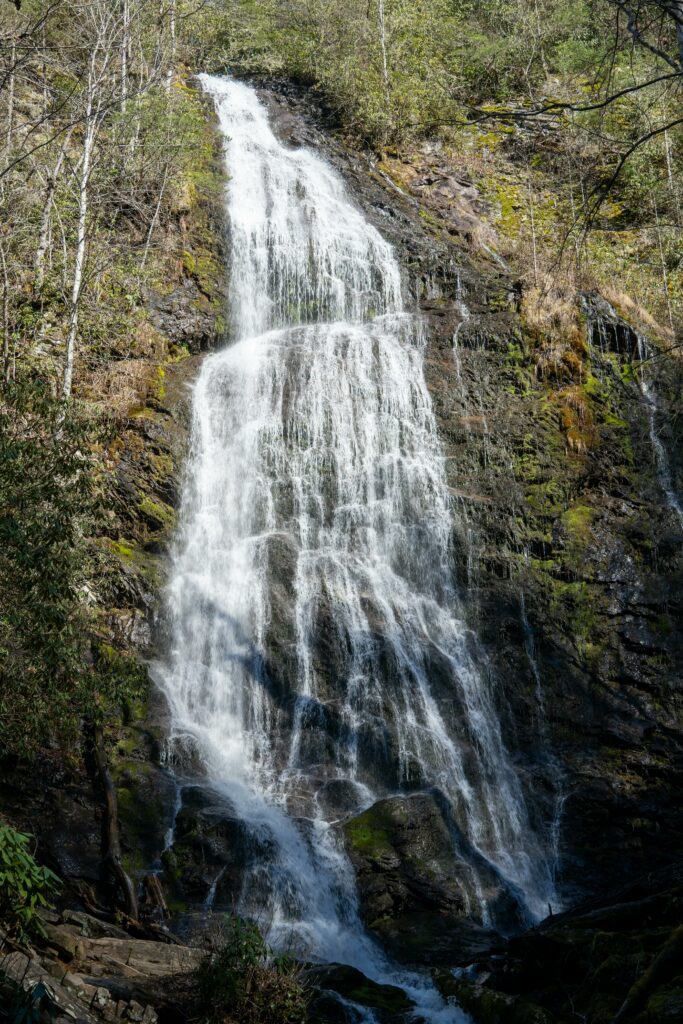
Photo by Beth Fitzpatrick
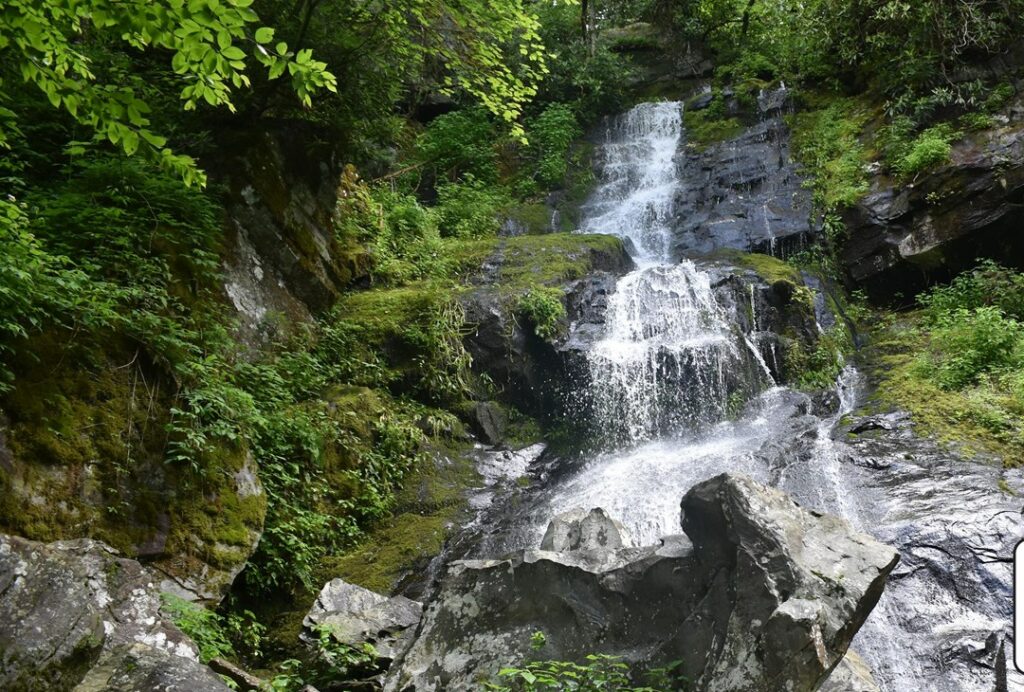
Laurel Falls has always been one of the most popular waterfalls in Great Smoky Mountains National Park, which is both its greatest asset and its biggest drawback. The 80-foot falls are stunning, the trail is relatively short, and the trailhead is easy to find — all of which meant it attracted massive crowds on a path that wasn’t really built to handle them.
That changed in Spring 2026 when the trail reopened after a full two-year renovation. The National Park Service installed a new paved walkway that’s wider, more durable, and significantly more accessible than the old eroded asphalt path. There’s also a new viewing platform at the falls themselves, which means you’re no longer jockeying for position on wet rocks with fifty other people trying to get a photo. It’s a meaningfully better experience than what existed before, and it’s one of those rare cases where a renovation actually improved a natural attraction without taking away what made it special.
The hike is 2.6 miles round trip with moderate elevation gain, making it manageable for most fitness levels, including older kids and reasonably fit grandparents. The paved surface makes it stroller-possible (though we’d recommend a jogging stroller over an umbrella stroller for the incline sections). Allow about 90 minutes for the full out-and-back if you want to linger at the falls, which you should.
One pro tip that separates the visitors from the locals: go early. By 10 a.m. on a summer weekend, the parking area fills up and you’ll circle for a spot. A 7:30 a.m. start means you’ll have the trail largely to yourself, and the morning light hitting the falls is worth the early alarm. Weekday mornings are even better. And remember, Great Smoky Mountains National Park is free to enter, always. No entrance fee, no parking pass for this trailhead. That makes Laurel Falls one of the best free hidden gems near Pigeon Forge, period.
Anakeesta’s Treetop Skywalk in Gatlinburg

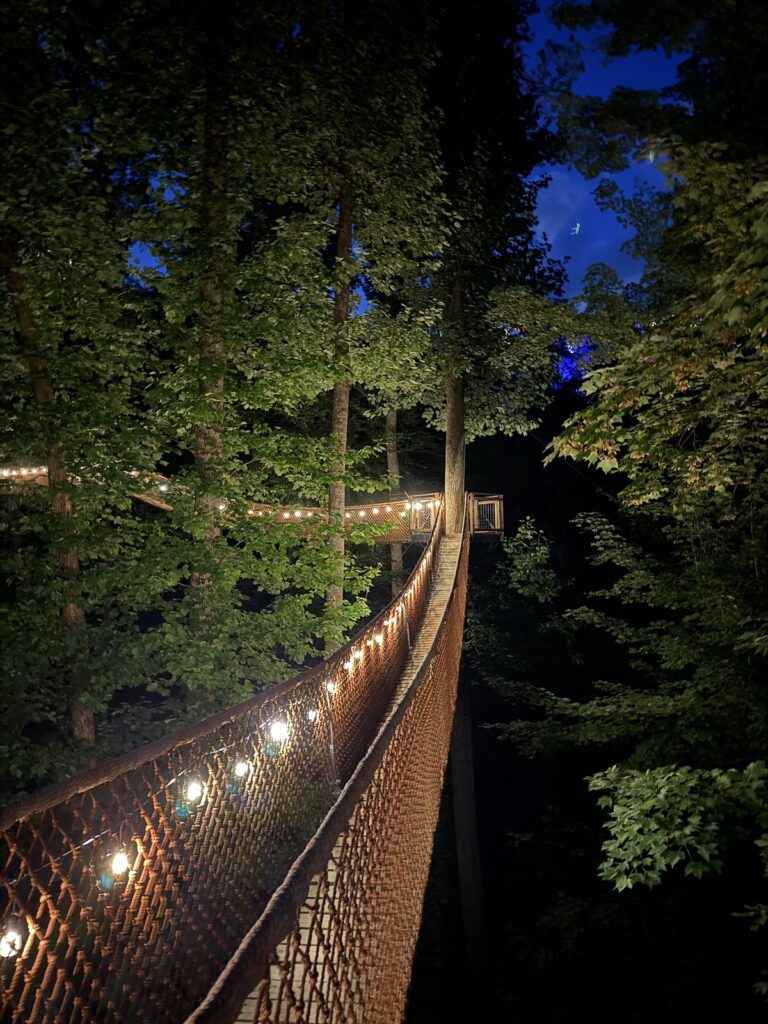
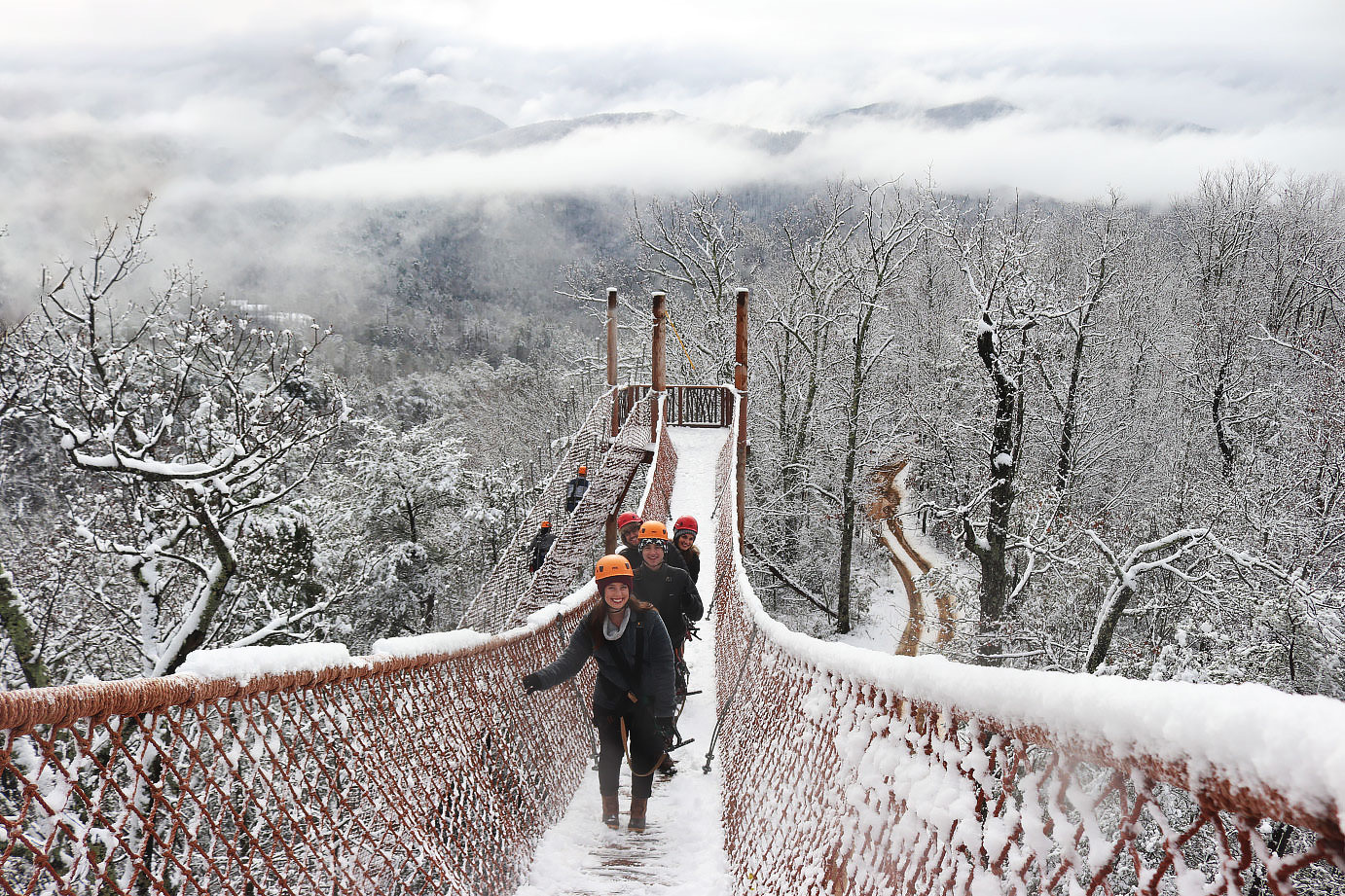
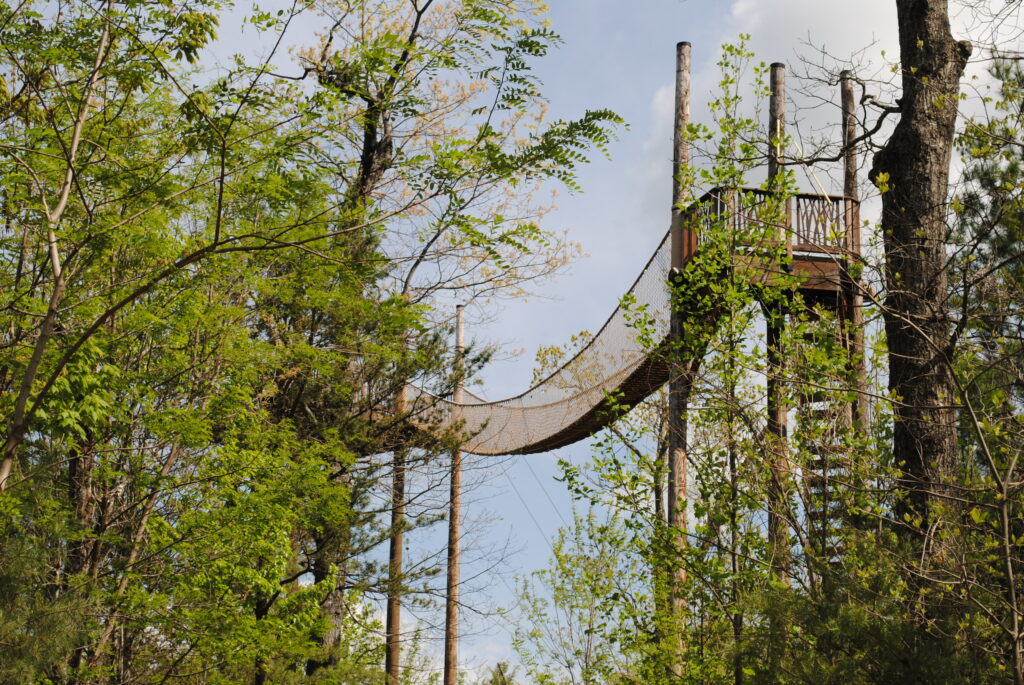
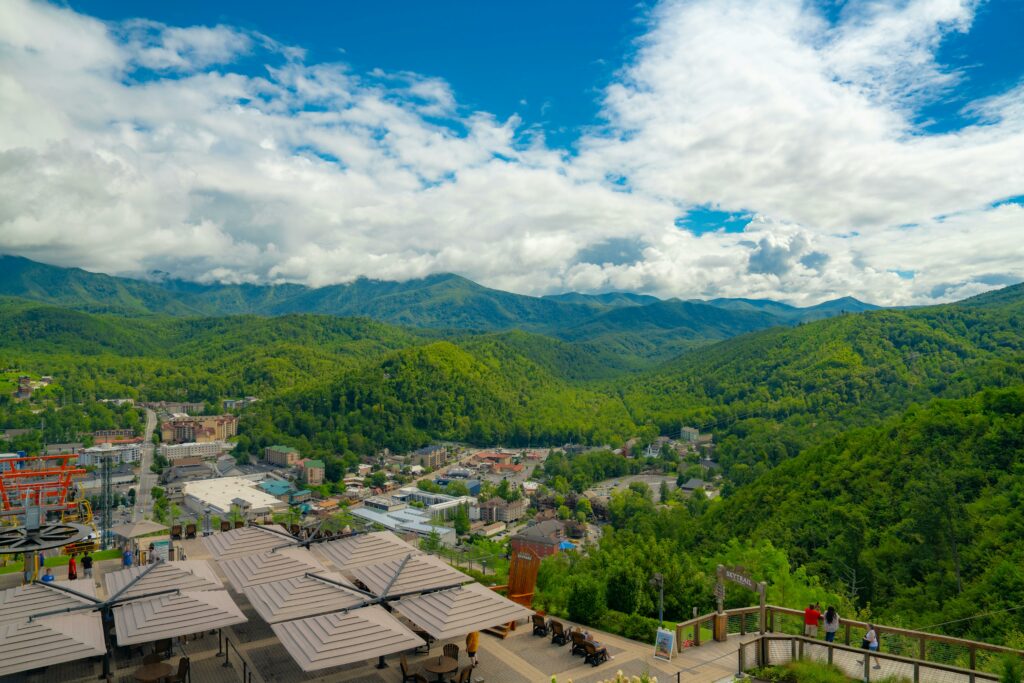
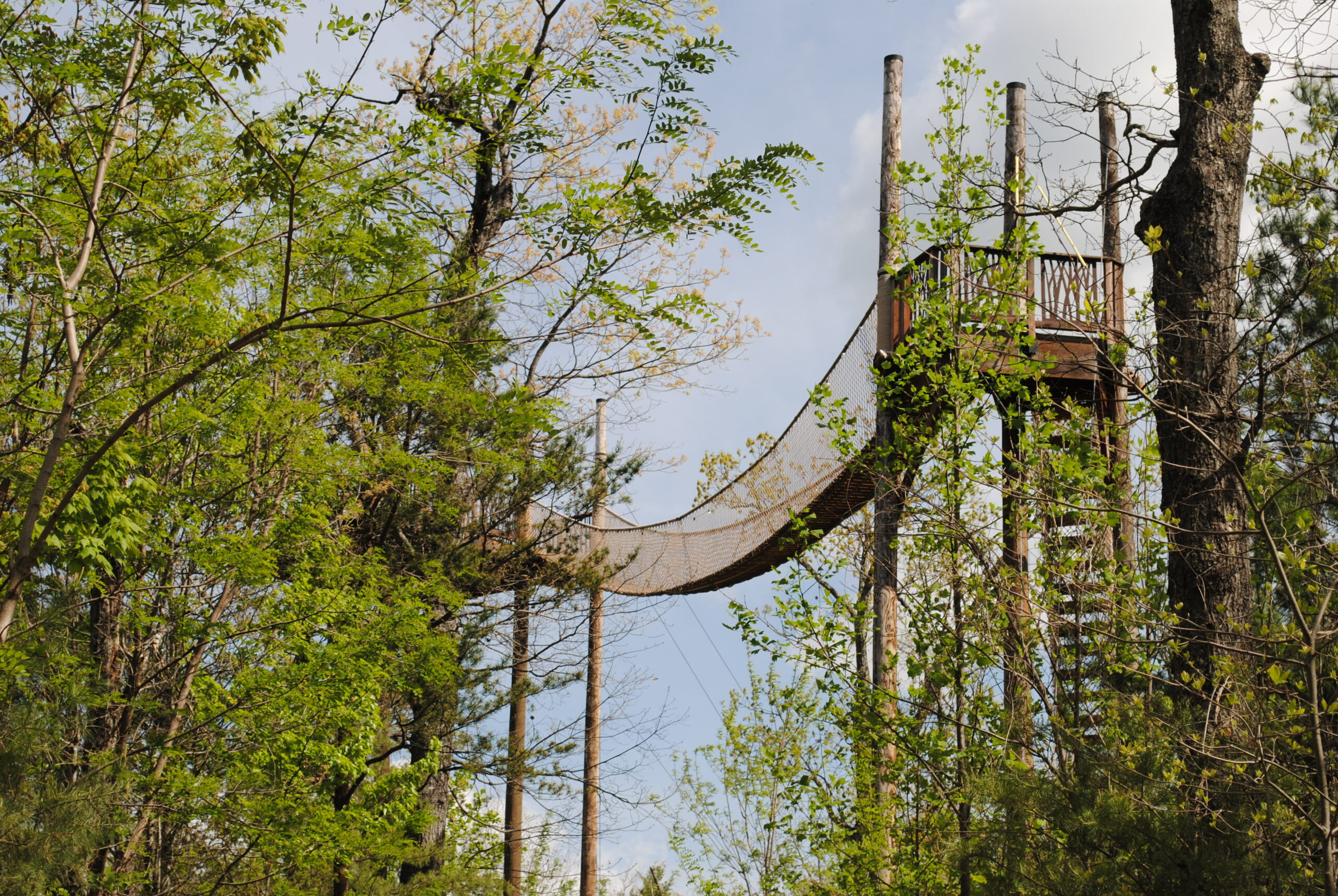
Anakeesta sits at the top of Gatlinburg and offers something that’s hard to find elsewhere in the Smokies: a canopy-level walking experience that threads through the treetops above town. The Treetop Skywalk is a series of connected bridges suspended high in the forest canopy, and it delivers that immersive tree-level perspective that most people associate with much more remote destinations.
Here’s a bit of local trivia we’re proud of: CLIMB Works actually built the Treetop Skywalk, along with some of the treehouse playgrounds you’ll find at Anakeesta. We designed and constructed those elements, though Anakeesta operates them independently as their own attraction (they’re a separate company with separate ticketing and scheduling).
For families with kids, Anakeesta is a particularly good pick. The treehouse playgrounds give younger children something active to do while the adults enjoy the views and the walkways. The overall vibe skews more toward gentle adventure and scenic appreciation than adrenaline, which makes it a nice counterbalance if you’re also doing something like ziplining the same day. Both Anakeesta and CLIMB Works are located in Gatlinburg, so pairing them in a single day is logistically easy.
A few things to know: Anakeesta requires a ticket purchase (check their website for current pricing, as it varies by season and whether you bundle activities). There’s a chondola ride to the top, which is part of the fun. Weekdays are less crowded than weekends, especially during summer. And while we don’t currently offer any package deals with Anakeesta, both experiences are within a short drive of each other, so planning-wise it’s a natural pairing.
Whitewater Rafting With Smoky Mountain Outdoors
If your idea of a Pigeon Forge vacation doesn’t include getting soaked on a river, you might want to reconsider. Whitewater rafting is one of the most underrated activities in the Smoky Mountains corridor, and most visitors don’t even realize it’s an option until they’re already in town.
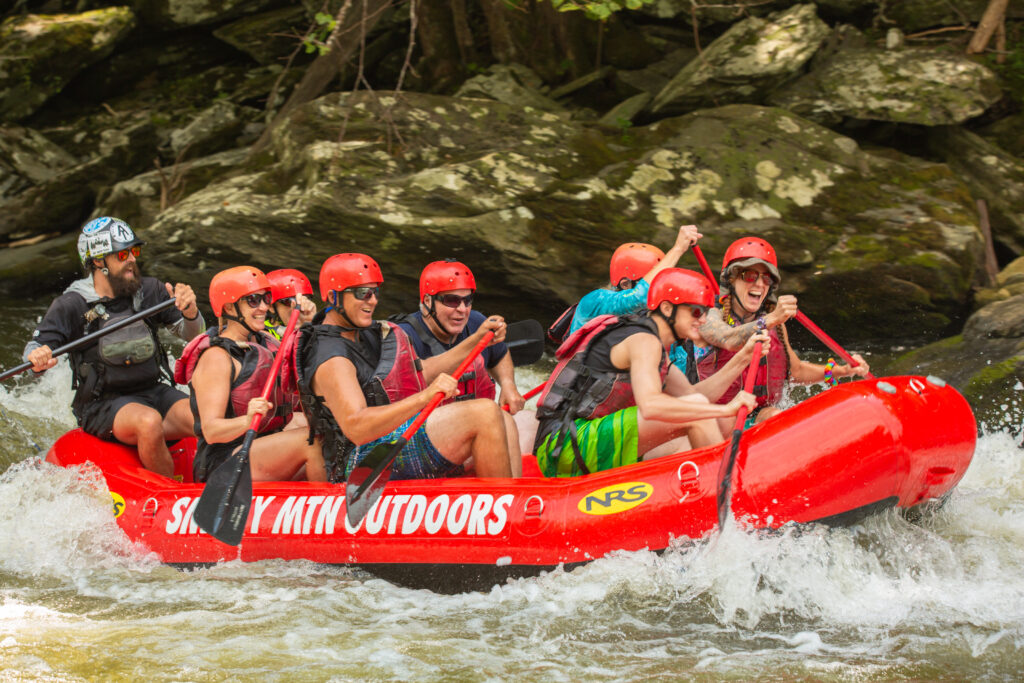
Smoky Mountain Outdoors is our rafting partner, and they run trips on the Pigeon River. The Upper Pigeon offers Class III-IV rapids that’ll get your heart rate up and probably fill your raft with river water at least twice. The Lower Pigeon is a gentler, family-friendly float with Class I-II rapids that works well for younger kids and anyone who wants to enjoy the scenery more than the splash factor. They run age-range specific tours, so you’re not stuck in a raft with a bunch of college kids on spring break if that’s not your speed (and vice versa).
Here’s the part most people don’t know: we offer ziplining and rafting combo packages with Smoky Mountain Outdoors. You can book both and save some money while getting two completely different types of adventure in a single day. It’s one of the best off-the-beaten-path combos you’ll find near Pigeon Forge.
Rafting season typically runs late March through October, with water levels varying based on rainfall. Summer is the most popular (and warmest) time, but late spring can offer better rapids due to higher water from snowmelt and spring rains. Weekday trips are less crowded. You’ll want to wear clothes and shoes you’re comfortable getting wet. They provide life jackets and gear. Plan for about three hours total including shuttle time and briefing.
The Pigeon River itself is a hidden gem of a waterway. It flows through a gorge lined with rhododendron and hardwoods, and you’ll likely see herons, kingfishers, and maybe even an otter if you’re quiet. It’s a completely different angle on the Smokies than what you get from a trail or a scenic overlook, and it’s one of those activities people consistently say was the surprise highlight of their trip.
Roaring Fork Motor Nature Trail
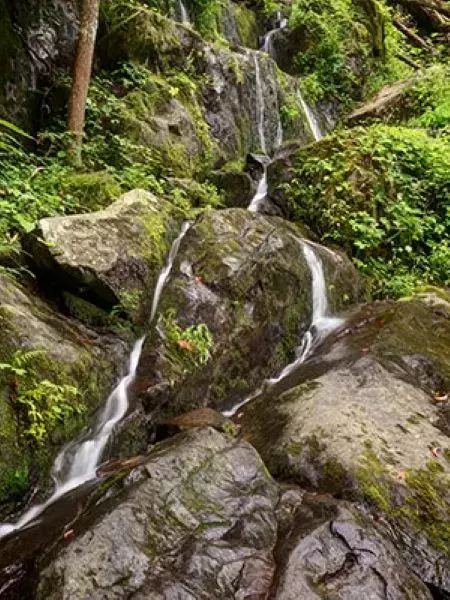
Ben Carr
If there’s a single drive in the Smokies that qualifies as a true hidden gem, it’s Roaring Fork Motor Nature Trail. It’s a 5.5-mile one-way loop through old-growth forest that starts near the edge of Gatlinburg, and the sheer number of visitors who don’t know it exists is almost hard to believe.
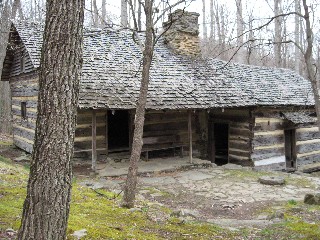
The drive threads through dense forest along a tumbling mountain stream. You’ll pass historic log cabins — real ones, not reconstructions — including the Noah “Bud” Ogle cabin and the Alfred Reagan place, both of which are worth stopping to explore on foot. There are small trailheads along the route (including the path to Grotto Falls, one of the few waterfalls in the park you can actually walk behind), pulloffs for creek access, and wildlife sighting opportunities that rival anything on the more famous Cades Cove loop without the bumper-to-bumper traffic.
Speaking of Cades Cove: that’s the drive everyone knows about, and on a summer Saturday you might average 3 mph for 11 miles. Roaring Fork gets a fraction of the traffic. You can usually drive it without stopping behind another car, which means you actually enjoy the forest instead of staring at brake lights.
The drive is free, it’s inside Great Smoky Mountains National Park, which charges no admission. The one caveat: Roaring Fork closes in winter (typically December through mid-March) when the road isn’t maintained. Spring through early fall is ideal, and October brings fall color to the mid-elevation canopy along the route.
To get there, follow Historic Nature Trail Road from downtown Gatlinburg. You’ll pass the trailhead for the Rainbow Falls trail on the way in. The whole loop takes about 45 minutes without stops, but budget at least 90 minutes to two hours if you want to actually explore. Which you should.
Clingmans Dome at Sunrise or Sunset
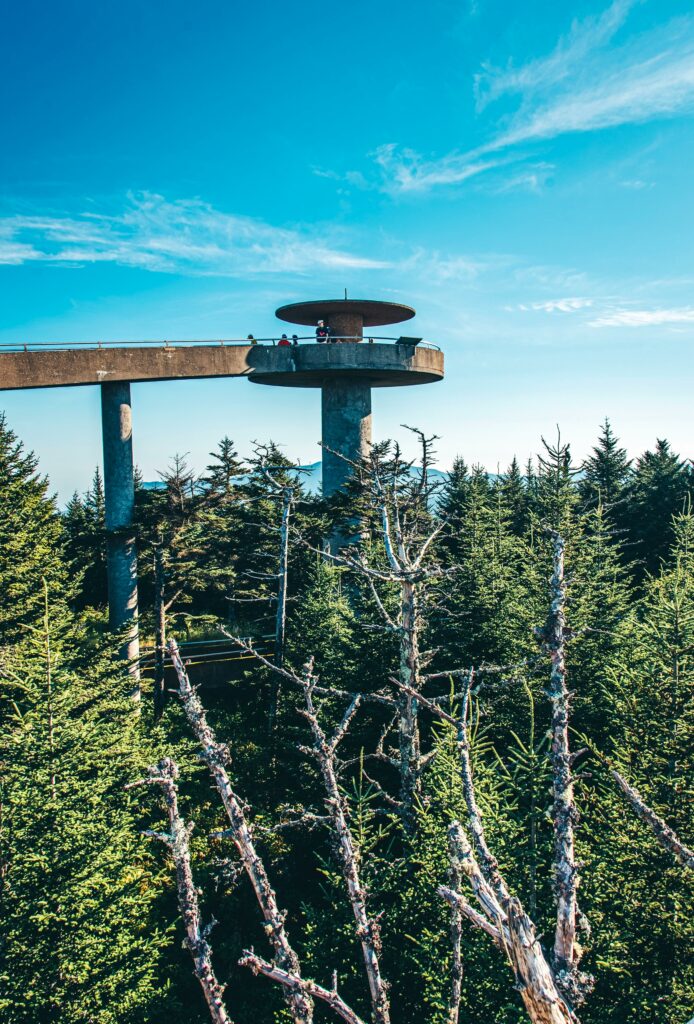
Photo by Connor Scott McManus
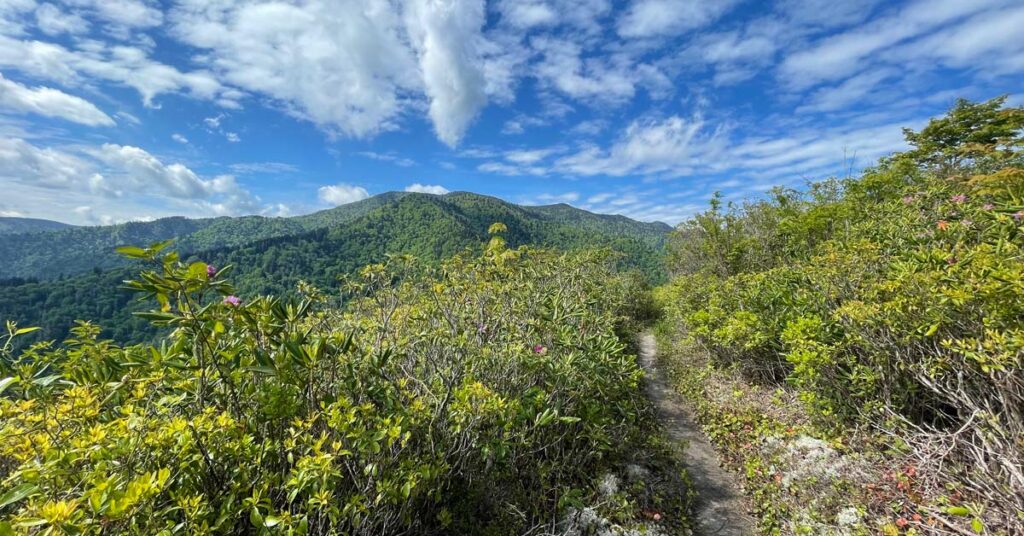
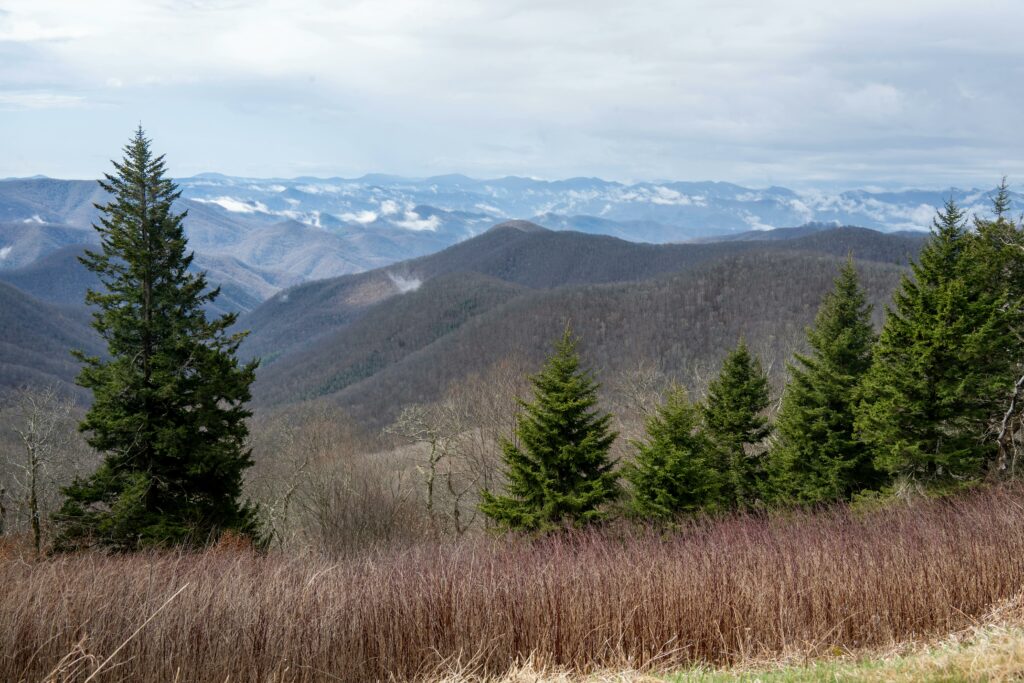
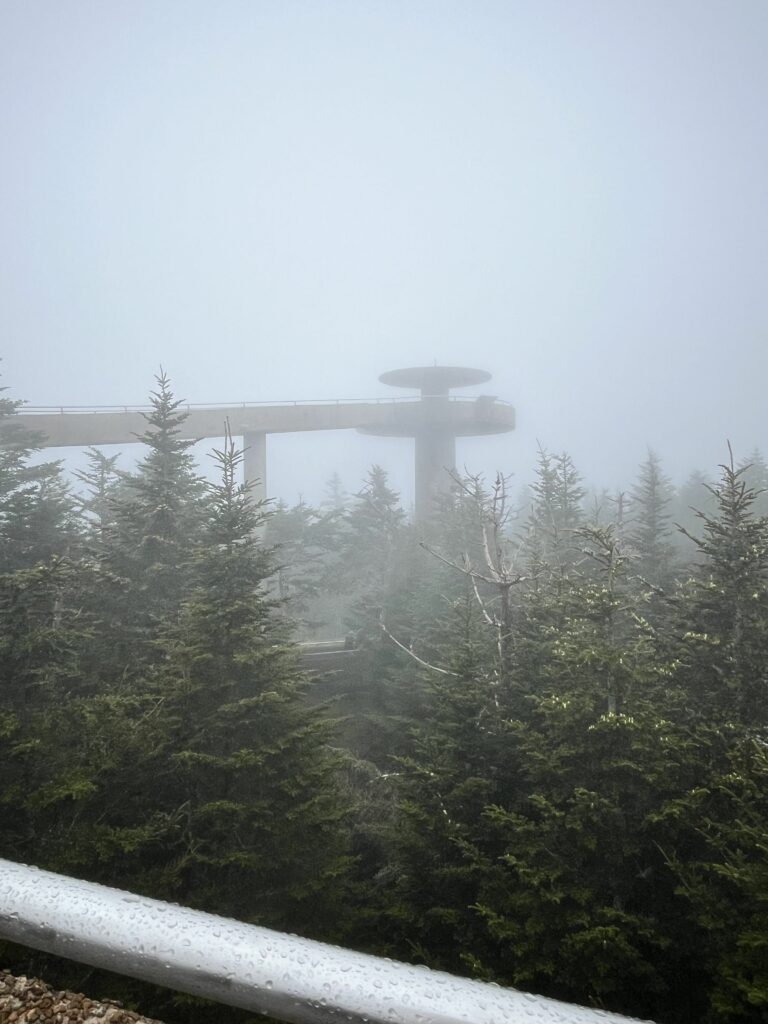
At 6,643 feet, Clingmans Dome is the highest point in the Great Smoky Mountains and the highest point in Tennessee. On a clear day, the observation tower at the summit offers views stretching into six states. On a hazy day (which is common, they’re called the Smokies for a reason), you’ll see ridgeline after ridgeline fading into blue mist, which is honestly just as beautiful in a different way.
Here’s the thing most visitors get wrong about Clingmans Dome: they go at noon. And at noon in July, the parking lot is full, the paved ramp to the tower is a parade of flip-flops and strollers, and the observation deck feels like a subway platform. The hidden gem version of this experience is arriving at sunrise or during golden hour before sunset. The temperature drops noticeably at this elevation (it can be 15-20 degrees cooler than Gatlinburg), the light is extraordinary, and you might share the tower with a dozen people instead of two hundred.
The ramp to the observation tower is a half-mile from the parking lot, and it’s steep. Don’t let the word “paved” fool you, this is a legitimate cardiovascular effort, especially at elevation. People with knee issues or respiratory concerns should take it slow. But it’s short, and the reward at the top is immediate.
October is the single best month for Clingmans Dome. Fall foliage peaks at higher elevations first, meaning the color show starts here a good two to three weeks before it hits the valleys and towns below. If you’re planning a trip specifically for fall color, timing your visit to catch Clingmans Dome in early-to-mid October is a move that will pay off in ways the Pigeon Forge strip simply can’t match. Check the best time to visit the Smoky Mountains for more seasonal timing tips.
Note that the road to Clingmans Dome closes December through March. During open season, the drive from Newfound Gap takes about 25 minutes, and Newfound Gap itself is roughly 45 minutes from Gatlinburg. Start early, bring layers, and carry water.
Tips for Making the Most of These Hidden Gems
Knowing about these spots is half the battle. The other half is timing, preparation, and a willingness to wake up a little earlier than your vacation brain wants to.
Go early or go late. This is the single most impactful piece of advice for any Smoky Mountains visit. Trailhead parking lots fill by 9-10 a.m. during peak season. Scenic overlooks get congested by midday. But show up at 7:30 a.m. or head out at 4 p.m., and you’ll find a fundamentally different experience, with fewer people, better light, cooler temperatures, and more wildlife activity.
October is the sweet spot. If you have any flexibility on when you visit, early-to-mid October delivers the best overall experience in the Smokies. Fall foliage peaks at higher elevations first (Clingmans Dome and the mountaintop zipline tour turn color before Gatlinburg does), the summer crowds have thinned, temperatures are comfortable for hiking, and the morning mist in the valleys is at its most photogenic. The trade-off is that weekends in October can still be busy, so aim for a Tuesday through Thursday window if possible.
Book adventure activities ahead. The Mountaintop Zipline Tour and rafting trips with Smoky Mountain Outdoors both fill up during peak season. We recommend booking at least five days in advance for summer and October dates. Weekday availability is generally better than weekends, and morning tours tend to book first.
Download the NPS app. The National Park Service app gives you real-time trail conditions, parking status at popular lots, road closures, and ranger-led program schedules. It works offline once you’ve downloaded the Great Smoky Mountains park data, which matters because cell service is spotty to nonexistent on many park roads and trails. Spend two minutes downloading it before you leave your rental, and you’ll thank yourself at the trailhead.
Layer up. Elevation changes in the Smokies mean temperature swings of 15-20 degrees between town and ridgeline. Gatlinburg might be 80°F while Clingmans Dome is 60°F and breezy. A light jacket stuffed in a daypack saves a lot of shivering.
The Pigeon Forge strip will always be there — the go-karts, the dinner shows, the fudge shops with samples on toothpicks. And there’s nothing wrong with any of it. But the Smoky Mountains didn’t become the most visited national park in America because of go-karts. The real magic is in the quiet spots, the high places, the trails where the only sound is moving water, and yes, the moments where you’re flying above the canopy on a zipline with the entire Smoky Mountain range stretching out in front of you.
We’re biased, obviously (we live and work up on this mountain), but every single thing on this list is worth your time. Pick two or three, give them the morning hours when they’re at their best, and save the Parkway for after dinner. Your trip will be better for it.
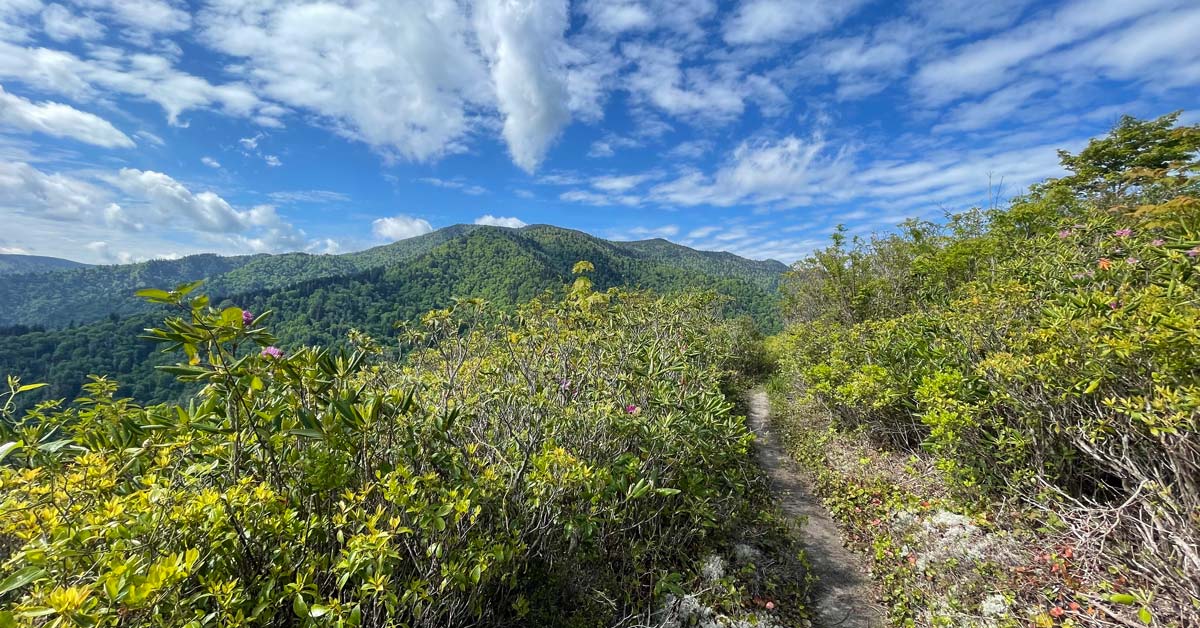
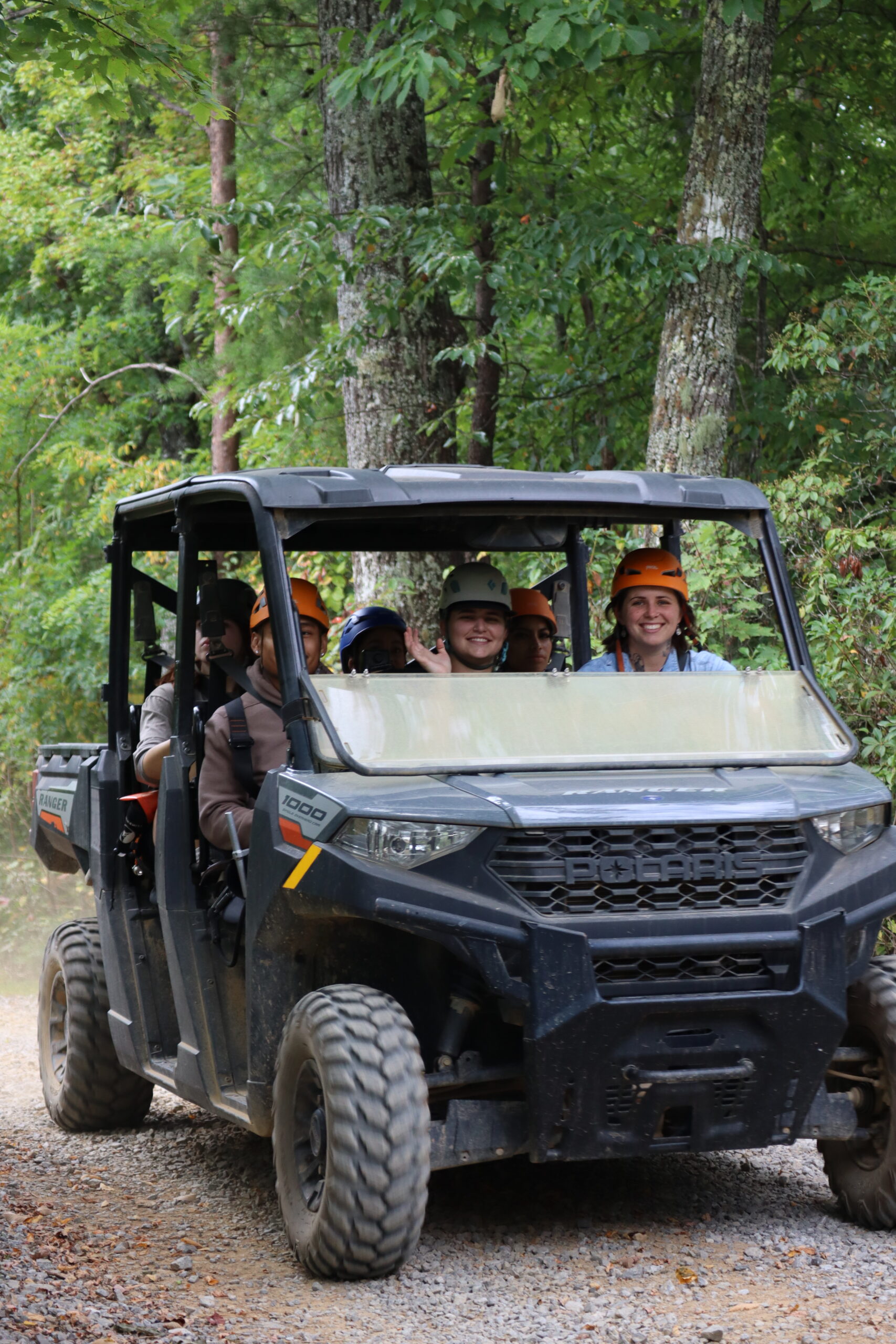
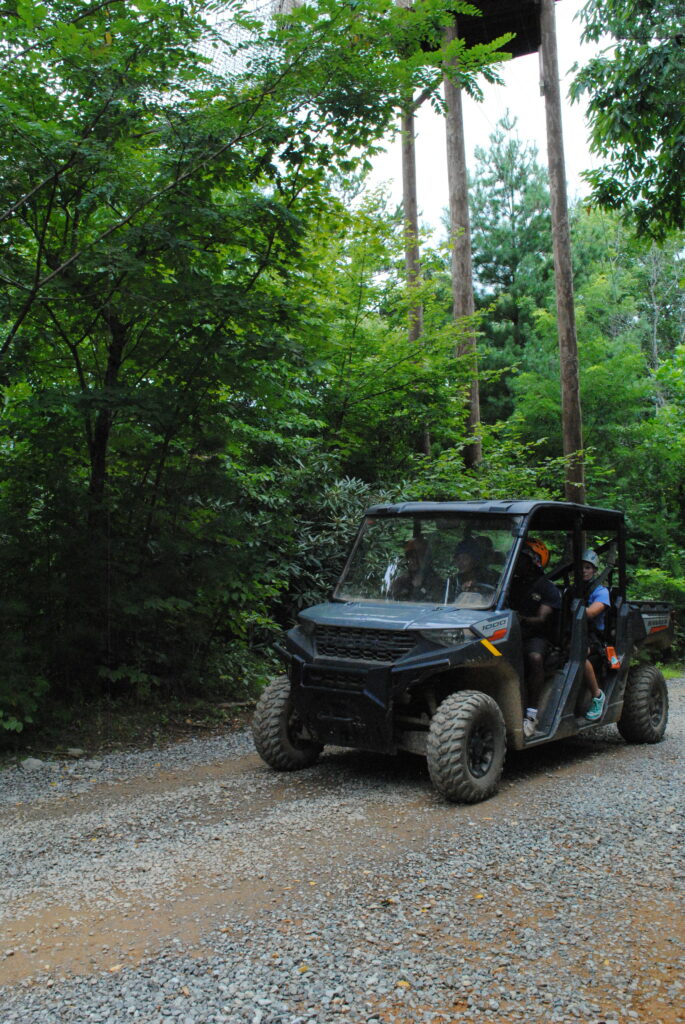
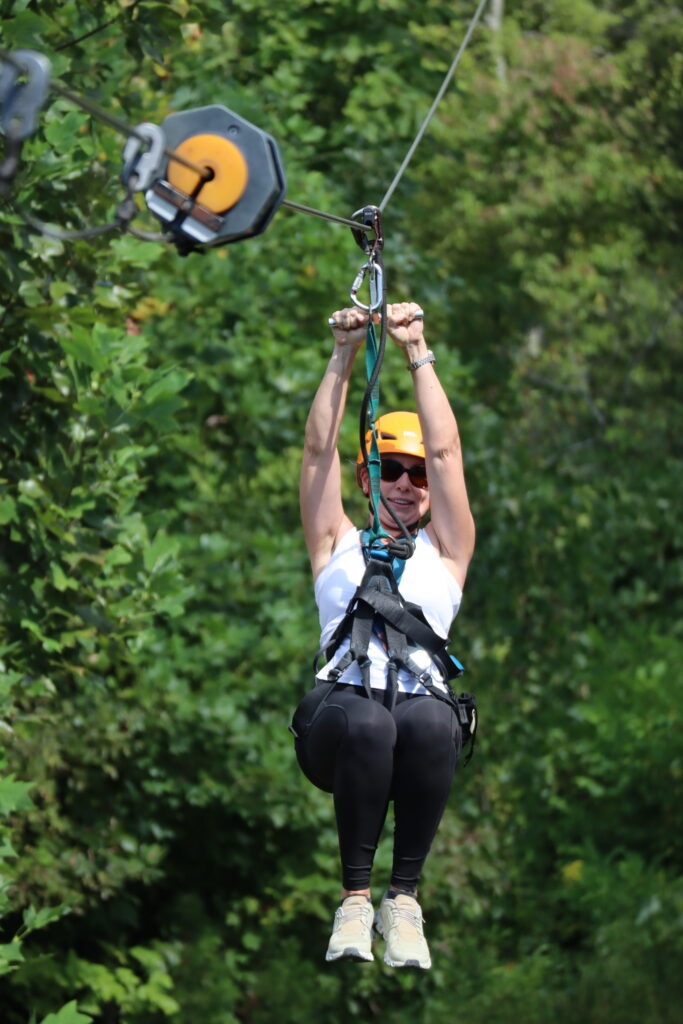
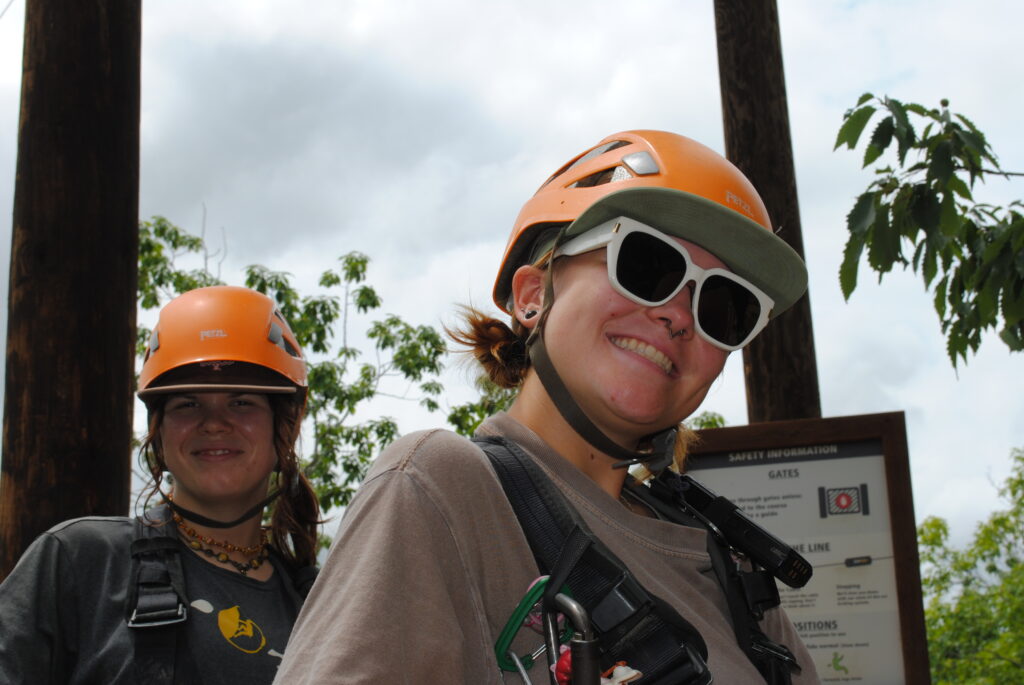
 Read through our Google reviews and one pattern jumps out immediately: people aren’t just talking about the views. They’re talking about guides named Slick, Beau, CC, Sylvi — real people who made their trip.