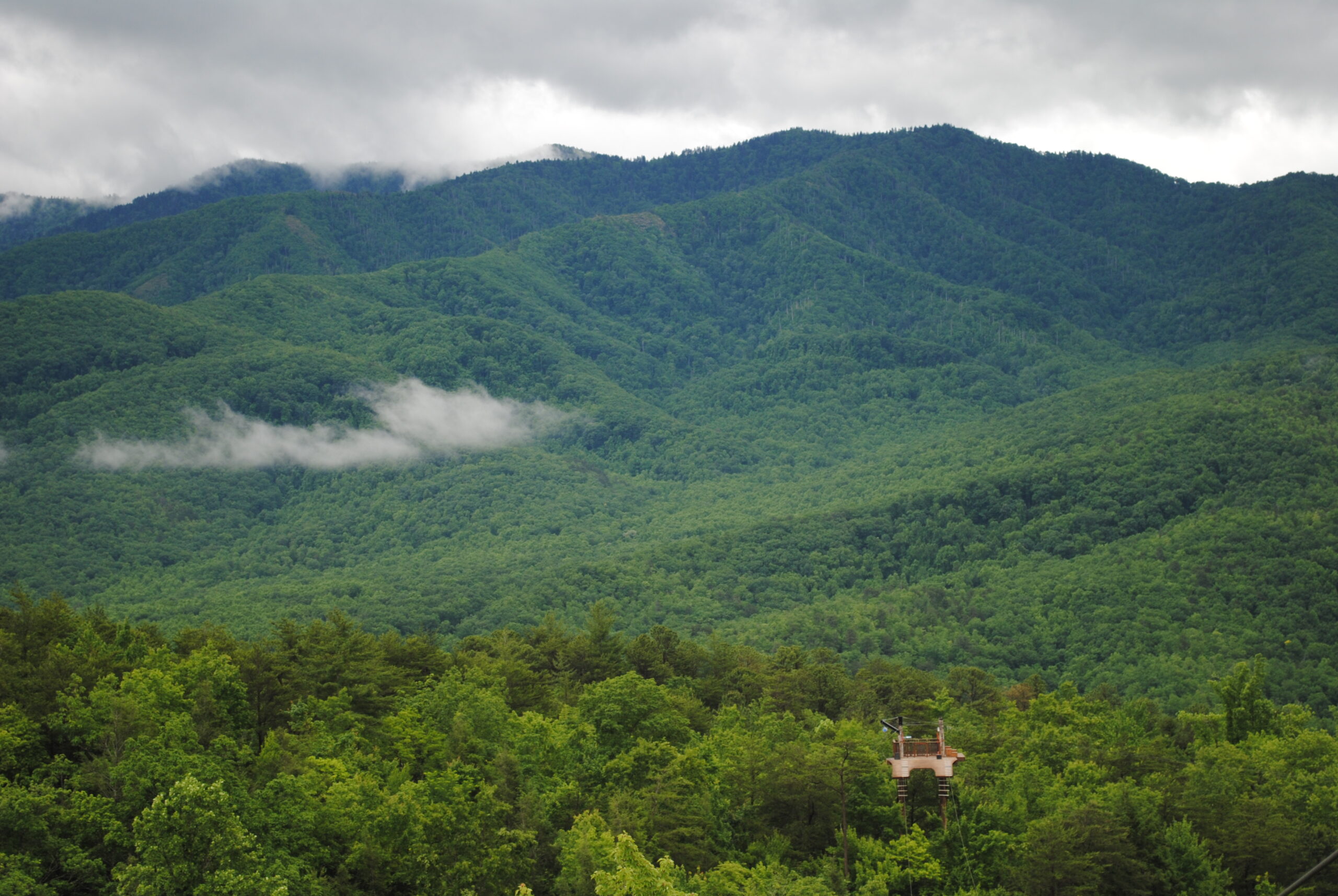
Here’s something we see all the time from our spot in Kahuku: rental cars slow down on, passengers crane their necks at the Ko’olau Mountains rising out of farmland, someone snaps a photo through the window — and then they keep driving back to their resort in Waikiki.
Most visitors spend roughly 90% of their trip within the stretch between Waikiki and the airport. That’s maybe fifteen miles of coastline. O’ahu has over a hundred. The North Shore sits about an hour from Waikiki, and that distance is exactly what preserves it.
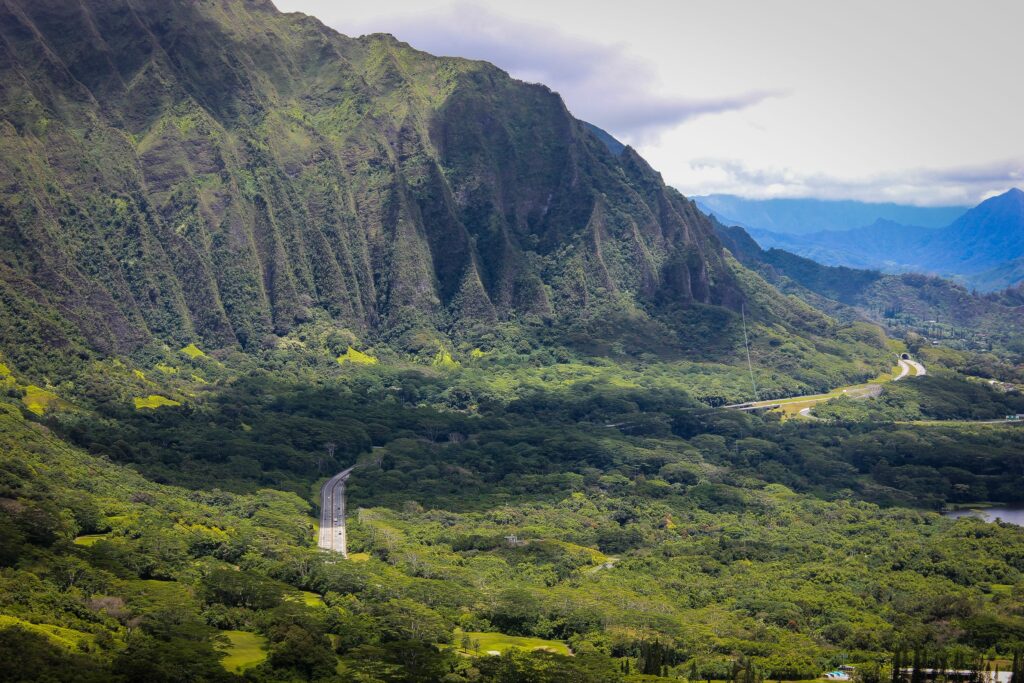 What’s left when the casual tourists drop off is a stretch of coastline and agricultural land that still feels genuinely Hawaiian. Not curated-Hawaiian or resort-Hawaiian, but the kind of place where you pass a hand-painted sign for fresh corn, where roosters cross the road with zero urgency, and where the afternoon rain rolls in and out before you finish your plate lunch. If you’re searching for non-touristy things to do on O’ahu, this is the part of the island that delivers.
We’re based at Keana Farms in Kahuku, right in the thick of it. Our team drives these roads daily, eats at these trucks weekly, and watches the seasons shift across the mountains out our front door. So this guide covers what’s actually worth your time up here; the hidden gems on North Shore O’ahu, the authentic Hawai’i experiences that don’t show up on most itineraries, and the practical details that make a full day here work without a hitch.
Non-Touristy Things to Do on O’ahu’s North Shore
Before we dig into the details, here’s a quick snapshot of the experiences that set the North Shore apart:
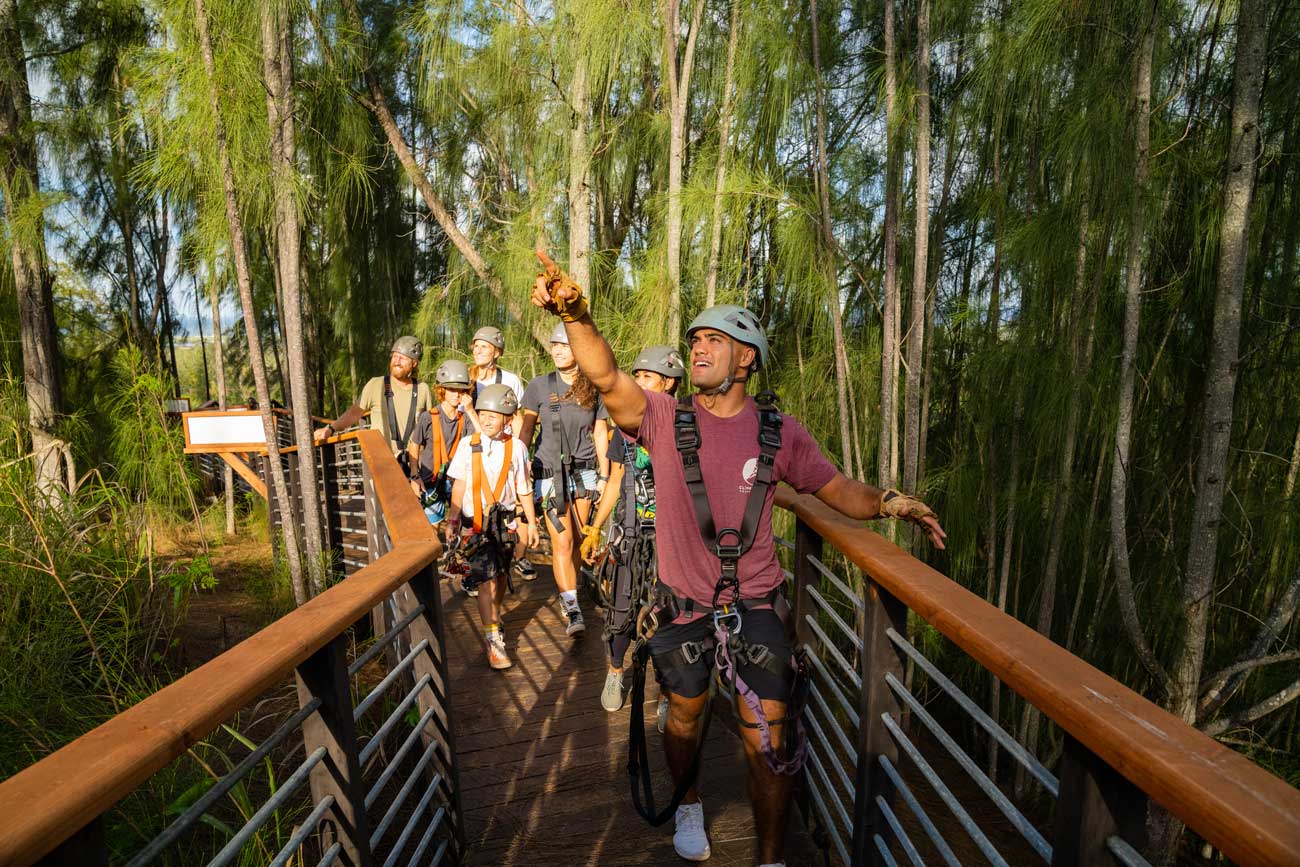
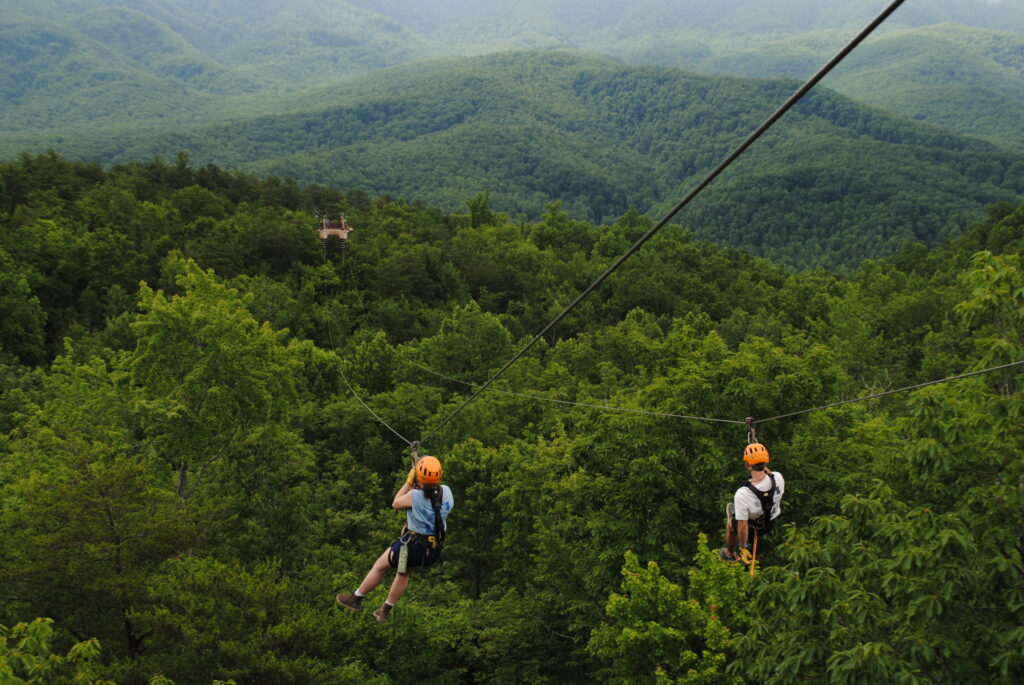
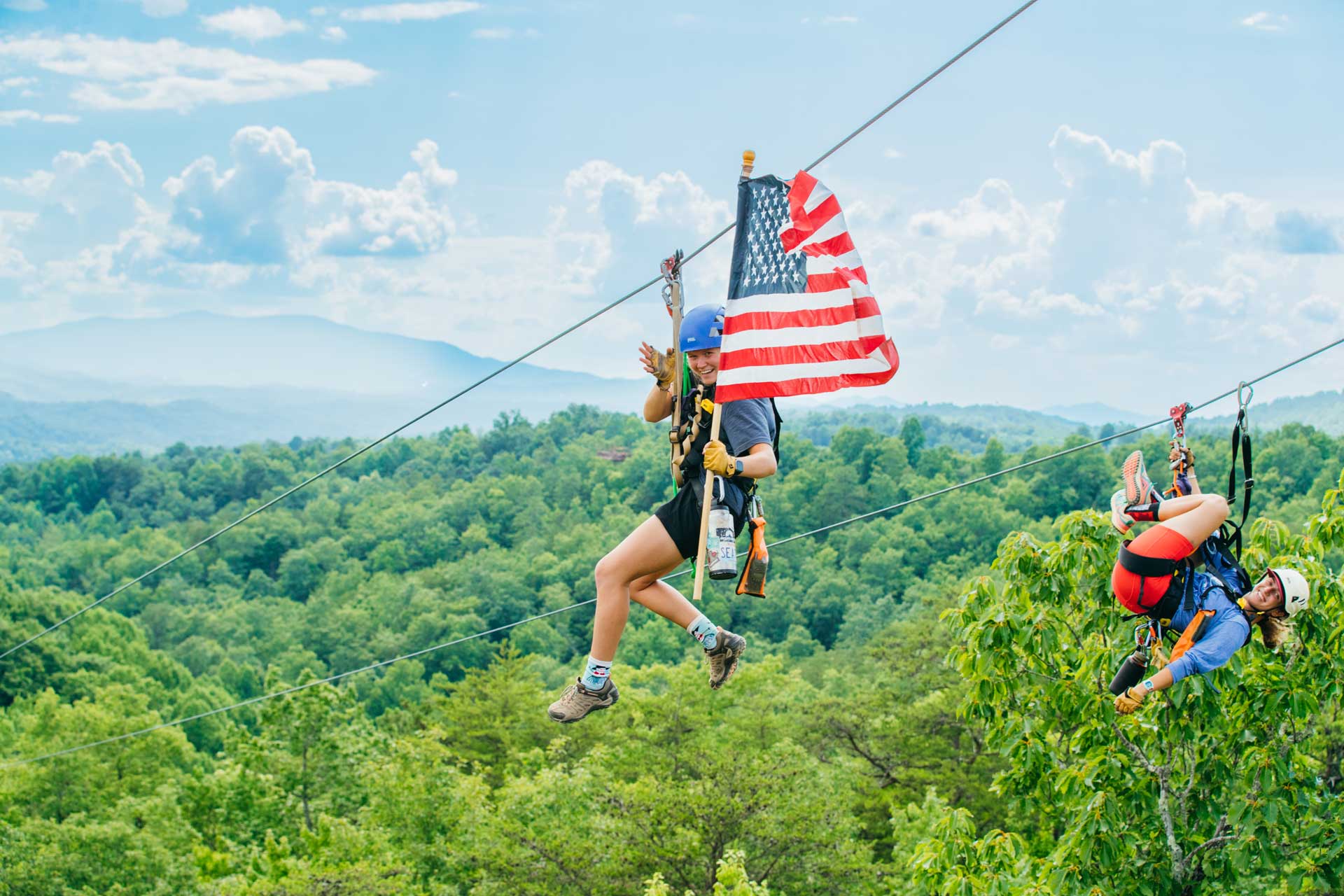
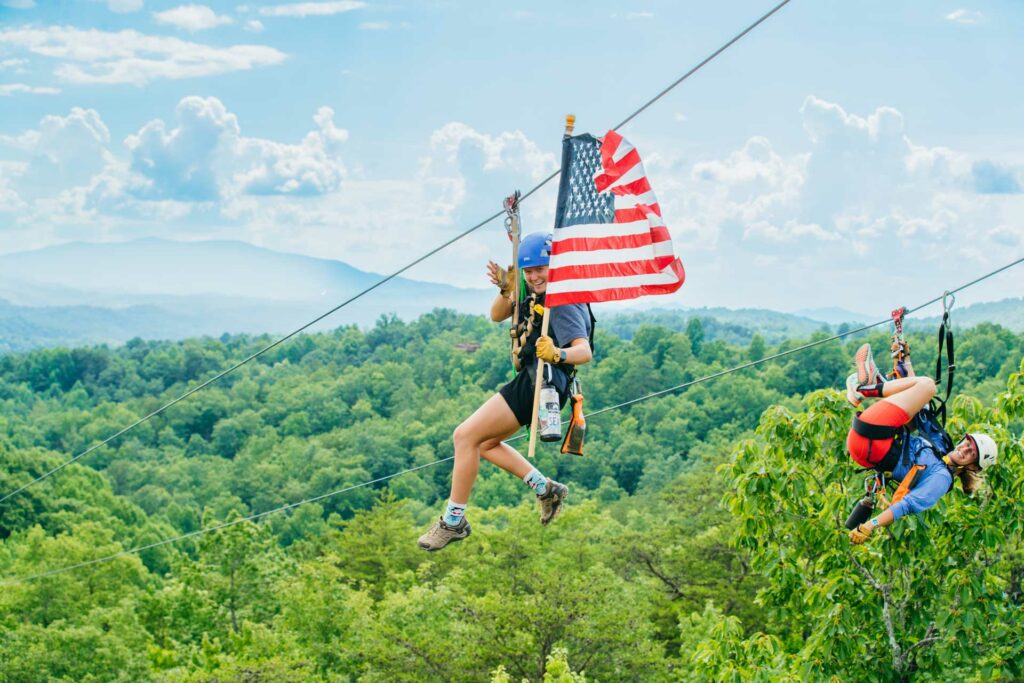
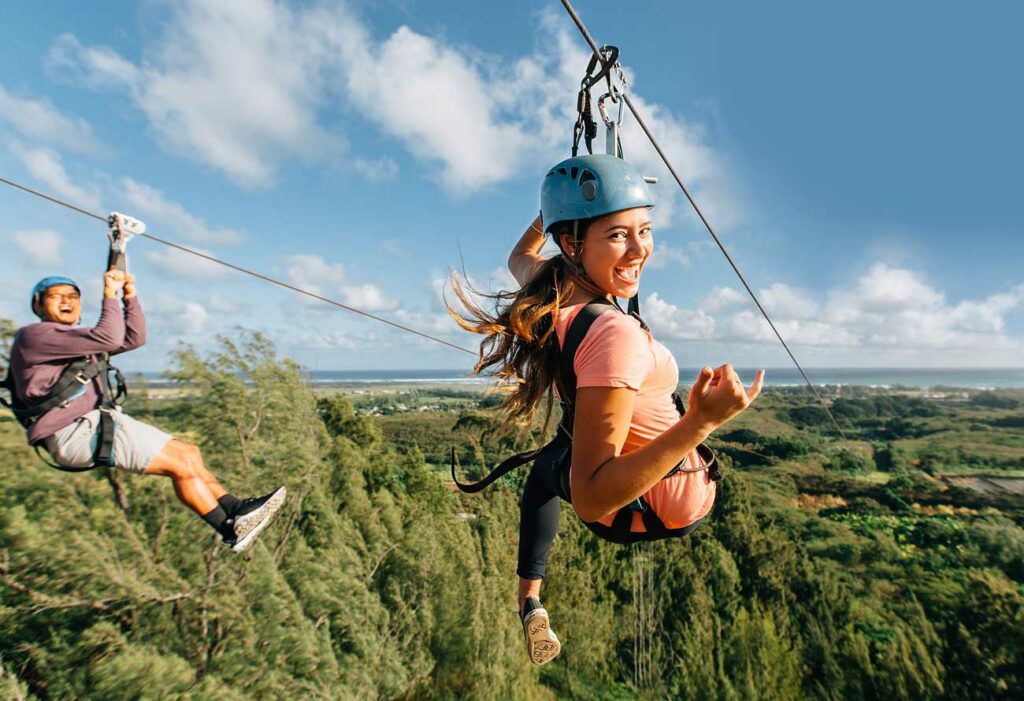
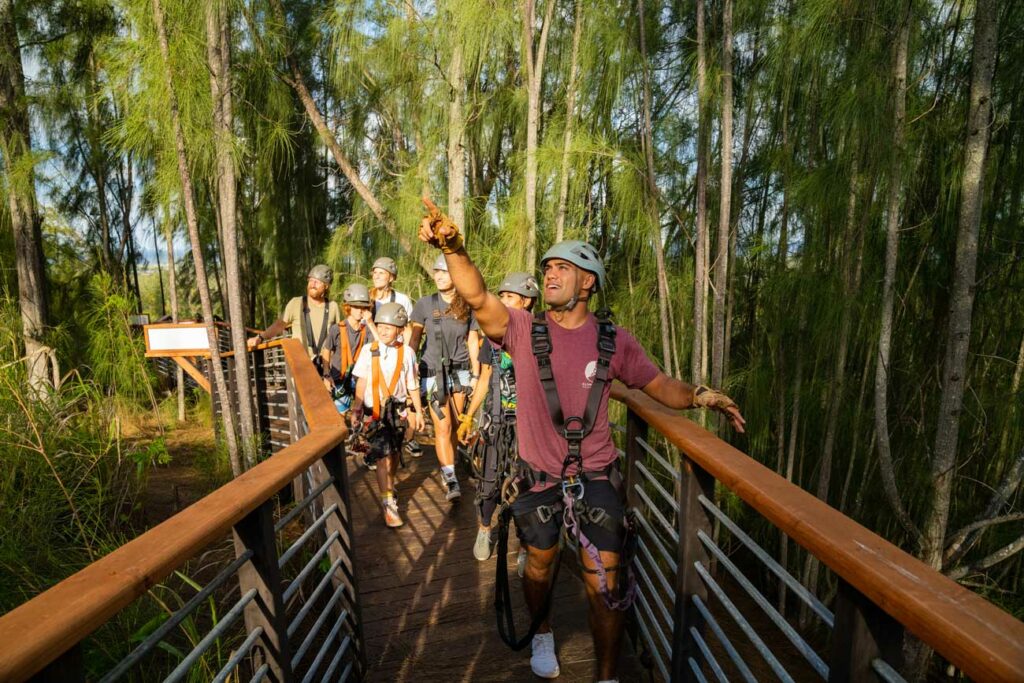
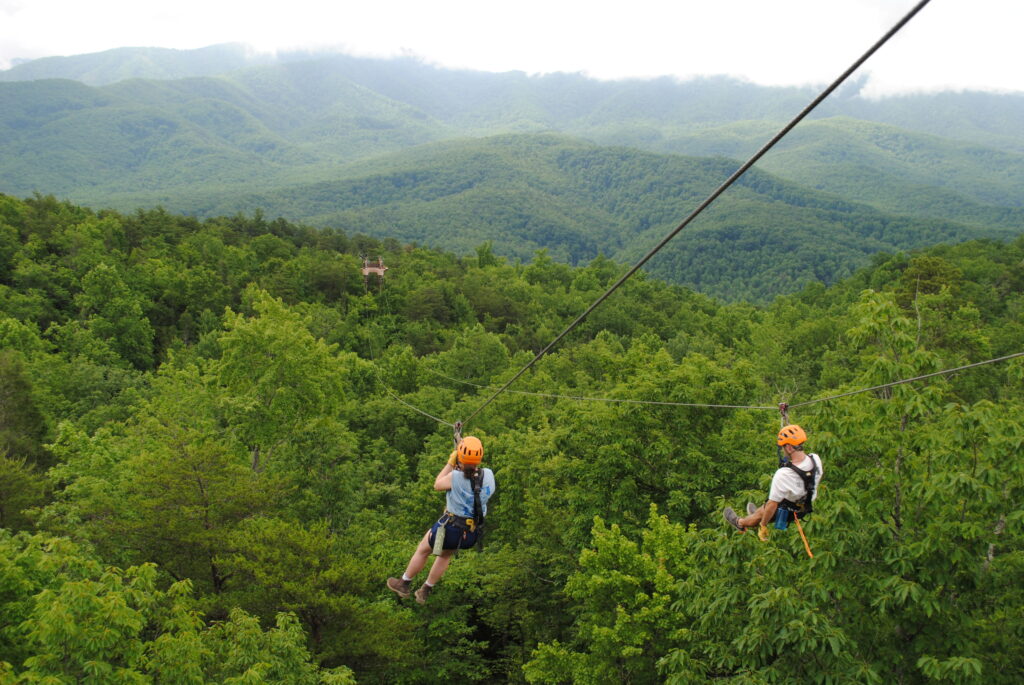
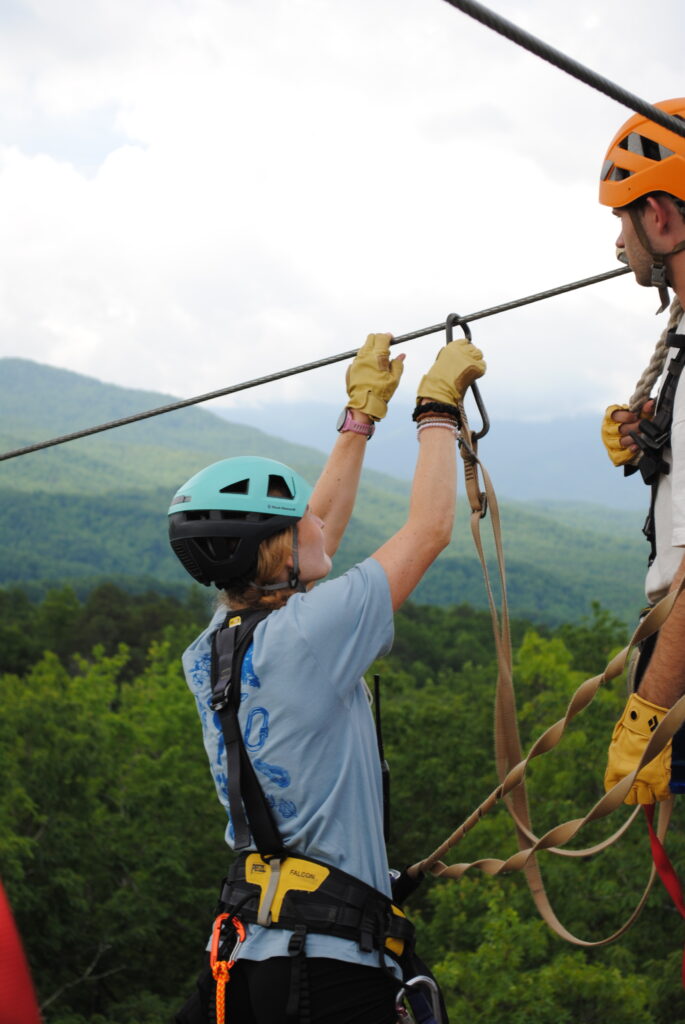
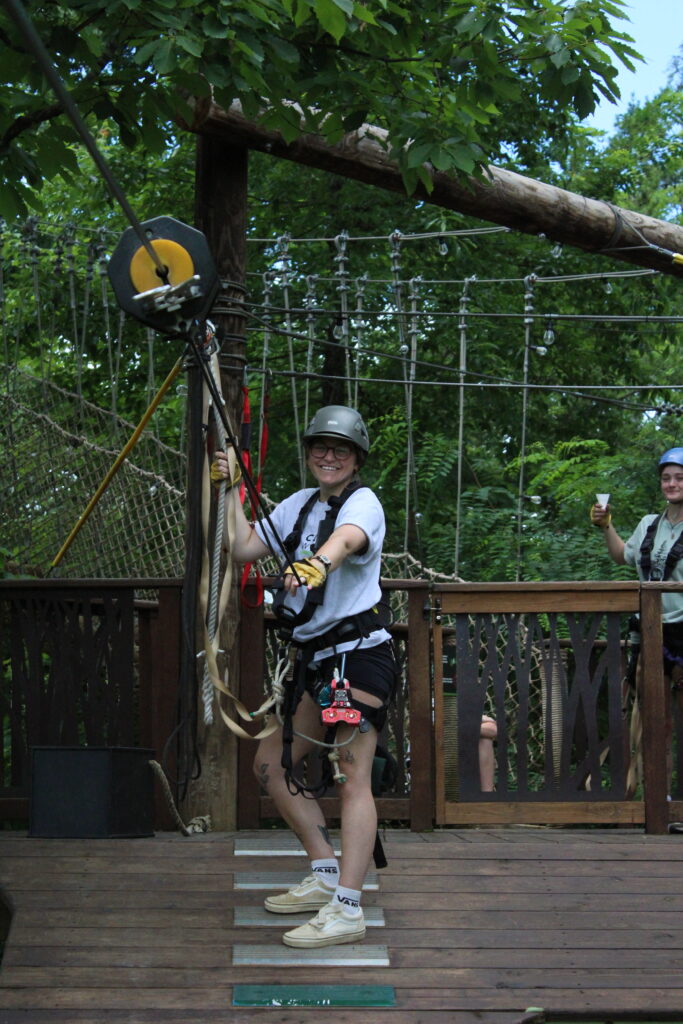
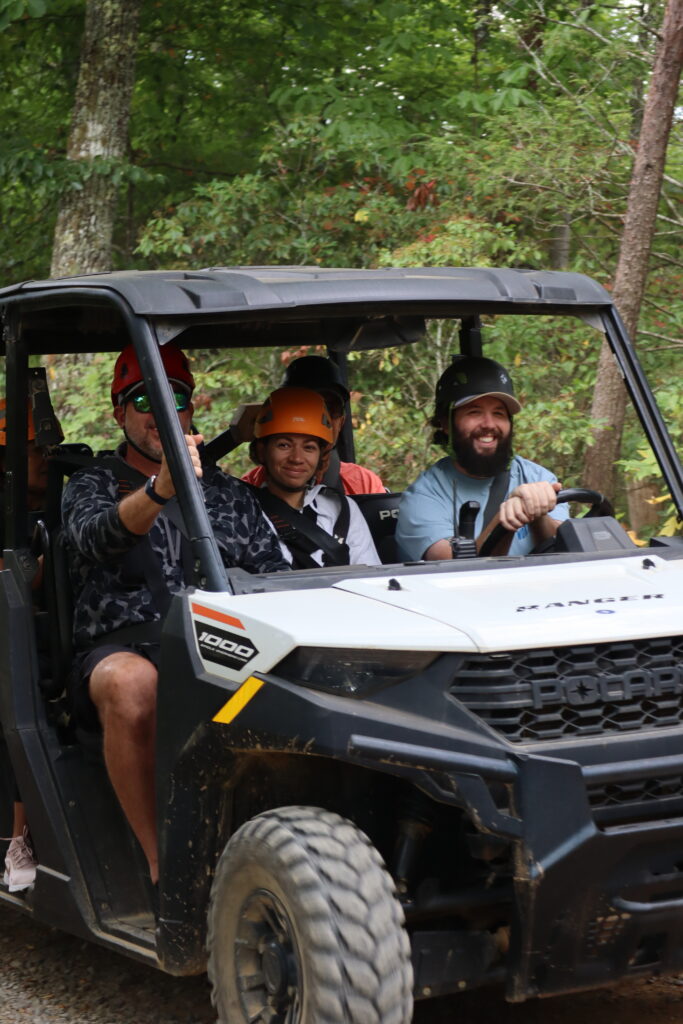
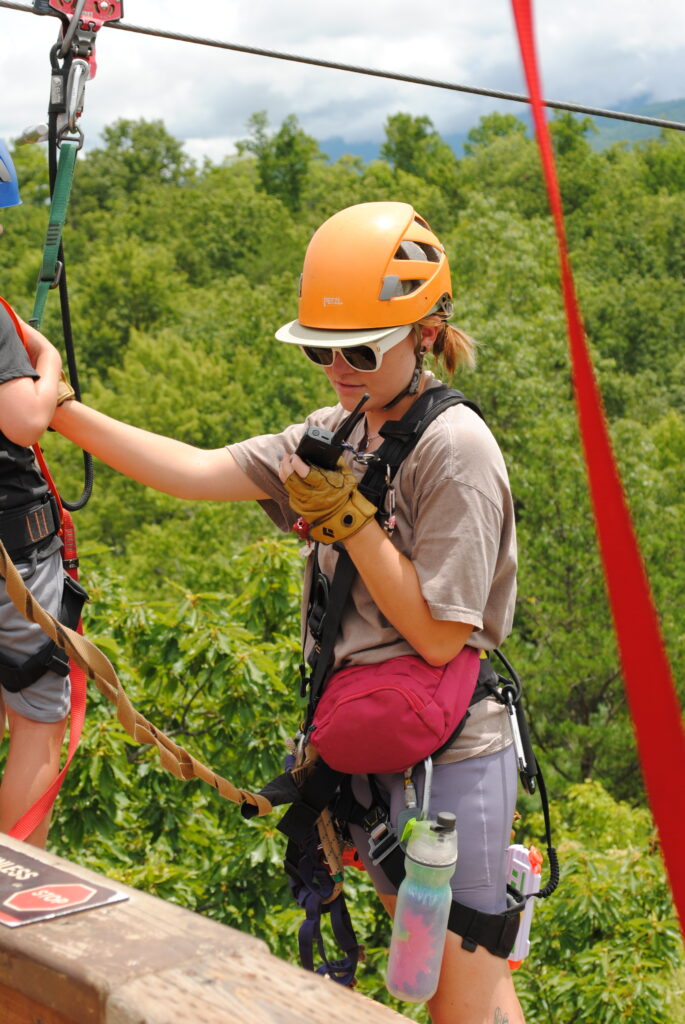
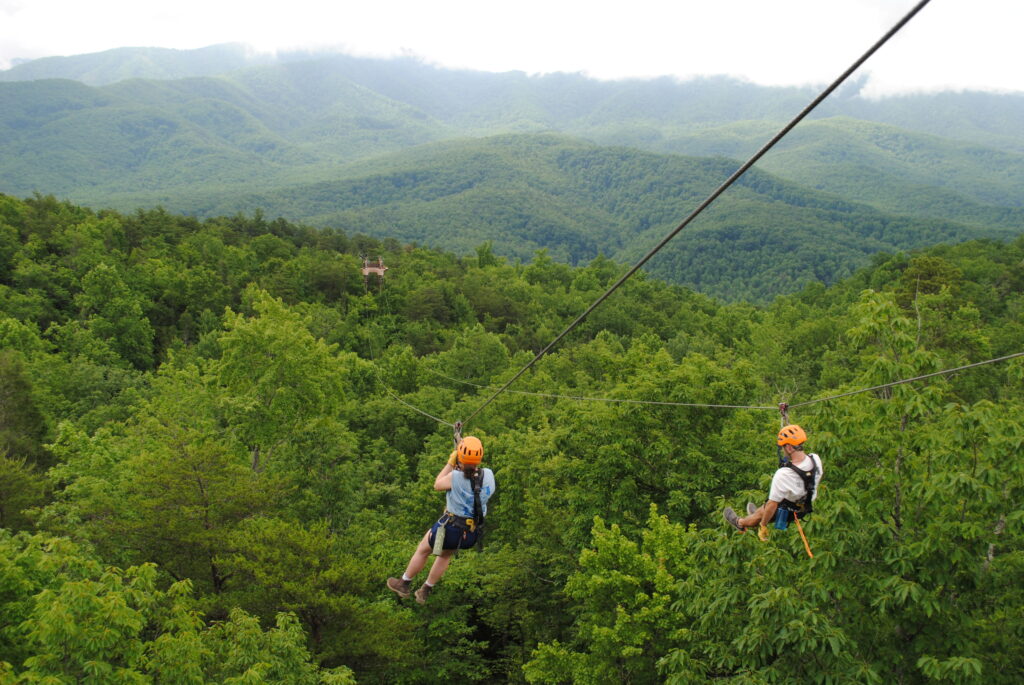
- Zipline at CLIMB Works Keana Farms: the Keana Farms Zipline Tour runs eight dual side-by-side lines through the Ko’olau Mountain foothills, with fruit tastings and a guided UTV ride included.
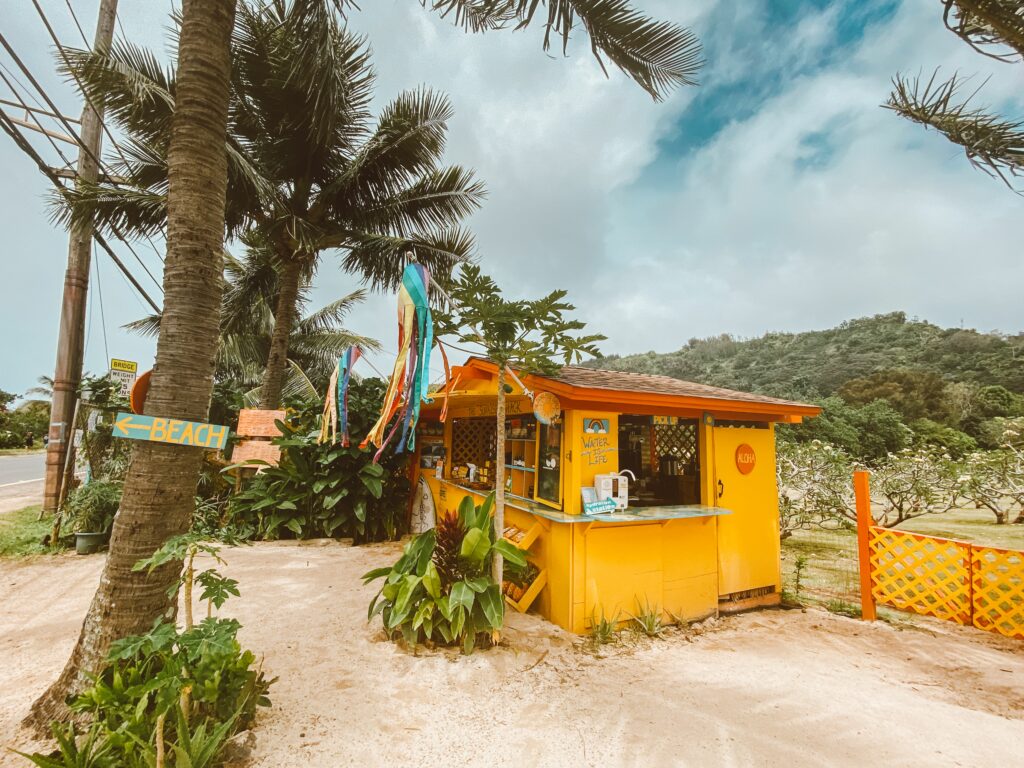
- Hit the roadside produce stands on Kamehameha Highway: Kahuku corn, fresh papaya, and apple bananas sold from small-scale local farms between La’ie and Hale’iwa. Cash is king here.
- Eat at the shrimp trucks in Kahuku: Giovanni’s garlic butter shrimp is the famous one, but Romy’s and Fumi’s are within a few hundred yards and worth trying.
- Visit Hale’iwa Farmers Market on a Saturday morning: locals shopping for local produce, baked goods, and prepared food. Not a tourist market; an actual community gathering.
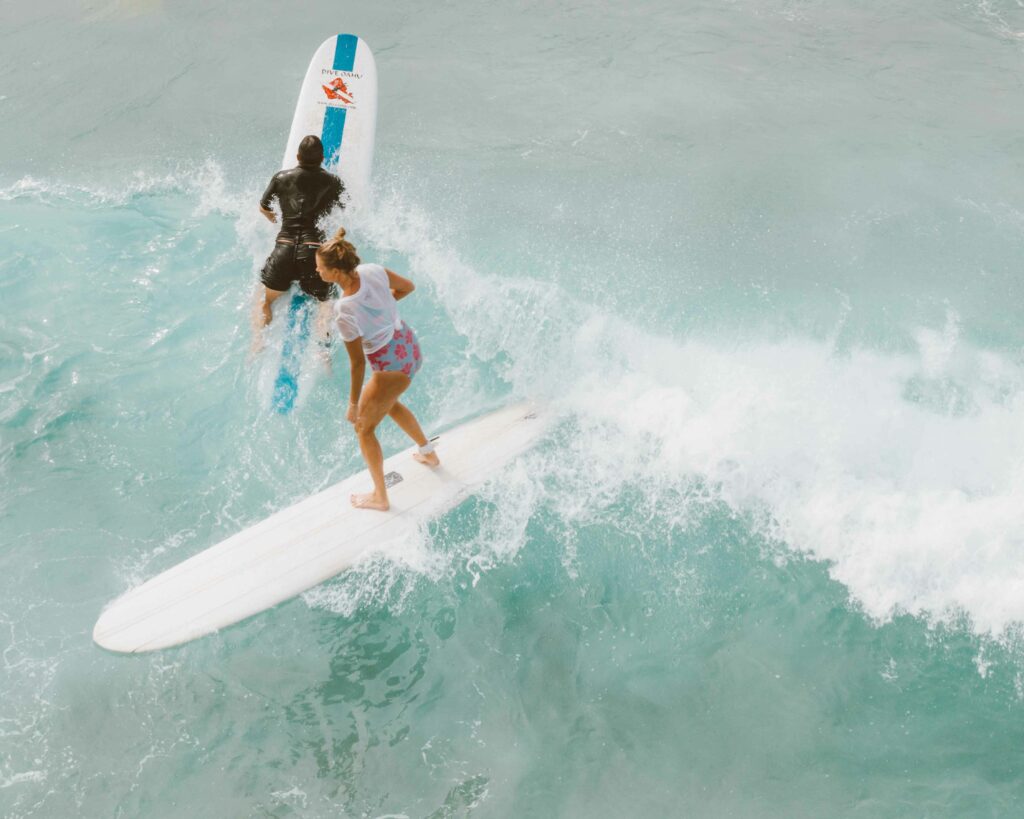
- Watch winter surf at Pipeline or Sunset Beach: even if you’re not a surfer, standing on the sand during a big swell season (November through February) is humbling.
- Spend an afternoon at the Polynesian Cultural Center: it’s five minutes from CLIMB Works and goes deep into Pacific Island cultures with live demonstrations and the HĀ: Breath of Life evening show.
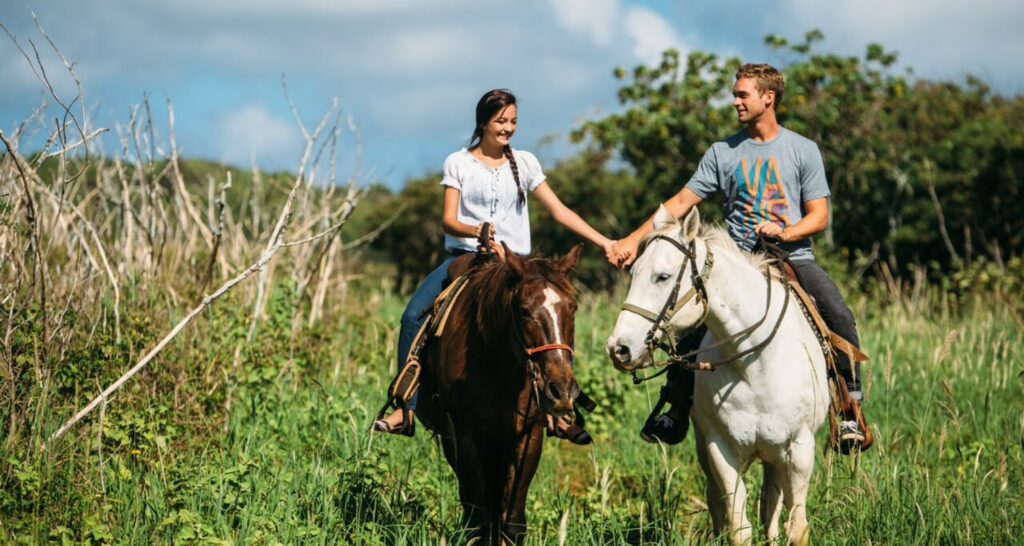
- Ride horseback through the hills above Kahuku at Gunstock Ranch: forest trails and open pastures with views most visitors never see.
Skip the Souvenir Shops – What Locals Actually Do
Hale’iwa is the unofficial capital of the North Shore, and it has genuine character if you know where to look. The main drag through town has surf shops, galleries, and the requisite ABC Store, but the real personality is a half-block off the highway. There are small art studios tucked behind the storefronts, a handful of family-owned restaurants that have been here for decades, and a pace that rewards wandering over checking boxes.
Matsumoto Shave Ice is famous for good reason. Yes, it’s in every guidebook. Yes, there’s a line. But that line moves fast, and the product is the real deal. Get the li hing mui powder on top if you want to eat like a local. (If you want to skip Matsumoto’s entirely, Aoki’s down the road is excellent and usually has no wait at all.)
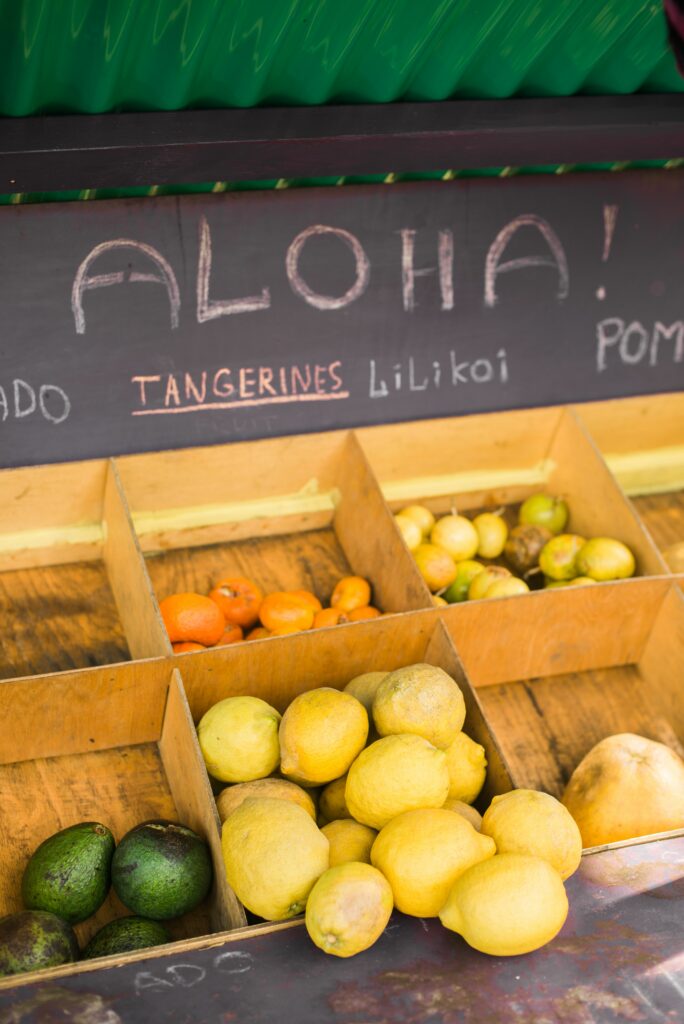
The Hale’iwa Farmers Market runs Saturday mornings and draws a crowd that’s overwhelmingly local. You’ll find fresh-picked produce, homemade baked goods, poke bowls, and local honey. It’s not a craft fair designed for tourists, but where locals do their Saturday shopping. Get there early, bring cash, and grab a coffee from one of the small vendors before you browse.
The biggest piece of advice we’d offer about the North Shore: talk to people. This isn’t Waikiki, where everyone’s in service-industry mode. North Shore locals are proud of where they live and generally happy to share recommendations. Ask the guy at the fruit stand what’s in season. Ask your shrimp truck server which sauce they’d pick. You’ll get honest answers, and you’ll get a version of the North Shore that no app can serve up.
Eat Like Someone Who Lives Here
The food scene on the North Shore isn’t about white tablecloths or curated menus. It’s about shrimp trucks with peeling paint, fruit stands run by the family that farmed it, and plate lunches that cost $12 and leave you too full to move. If you’re looking for authentic Hawai’i experiences on O’ahu, start with what you put on your plate.
Giovanni’s Shrimp Truck is parked in Kahuku and covered in signatures from years of visitors. The garlic butter shrimp is the move. It comes drenched in butter and garlic with rice and a simple slaw. Get it with the hot sauce on the side and eat it at one of the picnic tables next to the truck. Your hands will smell like garlic for hours. That’s how you know it was good. Romy’s, just up the road, does a lighter, cleaner preparation if you want to compare. Fumi’s is there too, with a solid spicy option.
Beyond the trucks, Kahuku corn is seasonal royalty. When it’s in season (generally spring through fall), you’ll see roadside stands along Kamehameha Highway selling ears for a few dollars. It’s some of the sweetest corn you’ll ever eat, grown right here in the red volcanic soil. Have a few bucks in cash ready, because most of these spots don’t take cards.
On our tours at Keana Farms, guests taste fresh tropical fruit picked from the working farm. It’s not a food tour, but biting into a freshly picked fruit while standing on the land where it grew gives you context that a restaurant can’t. You understand why Hawai’i’s agricultural heritage matters when you can literally taste it.
What Makes CLIMB Works Keana Farms Different From Typical Tourist Attractions
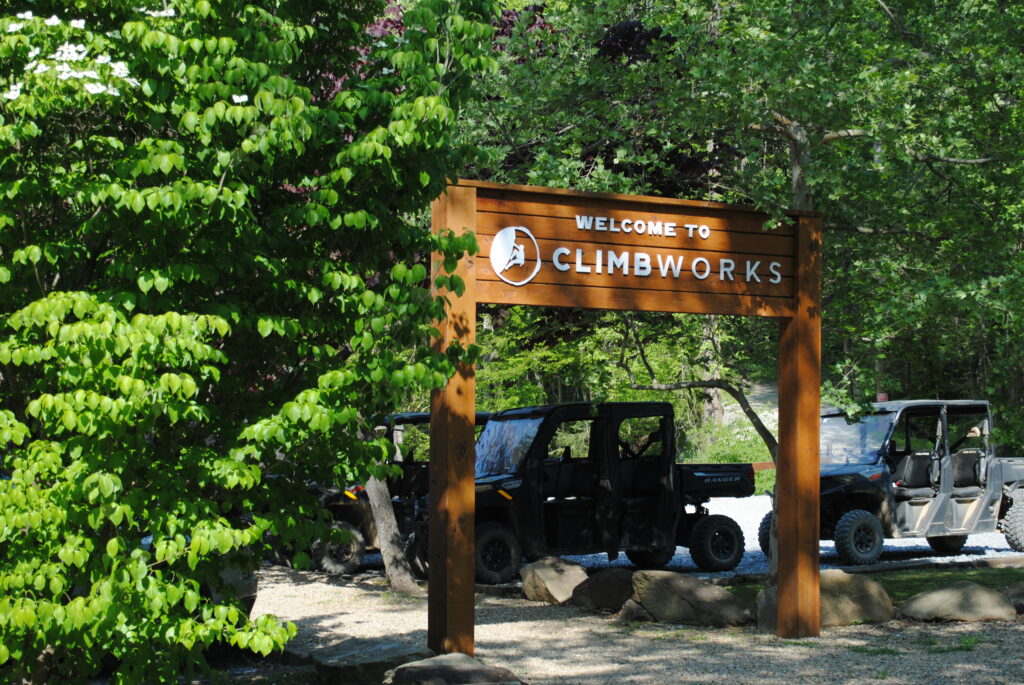
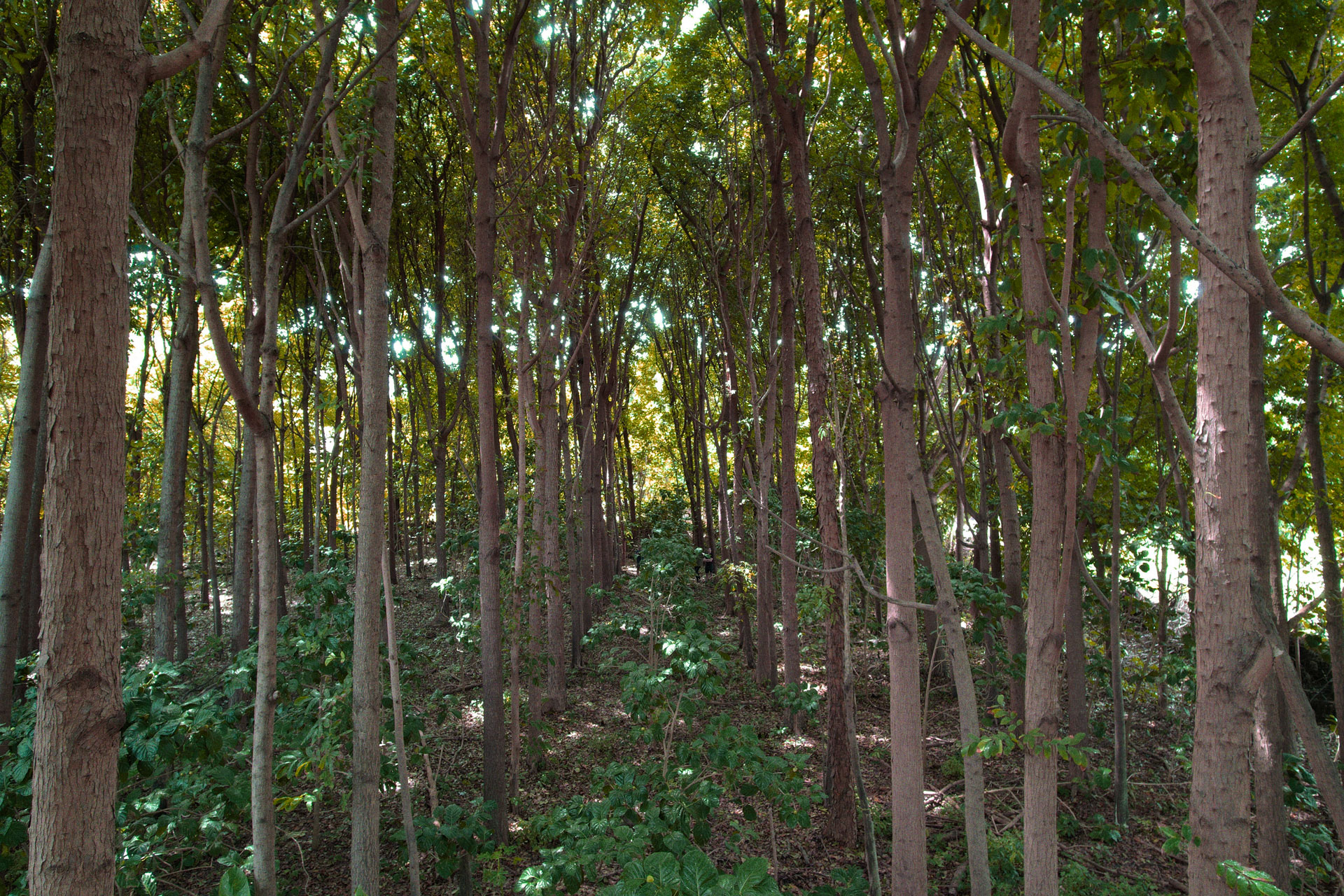
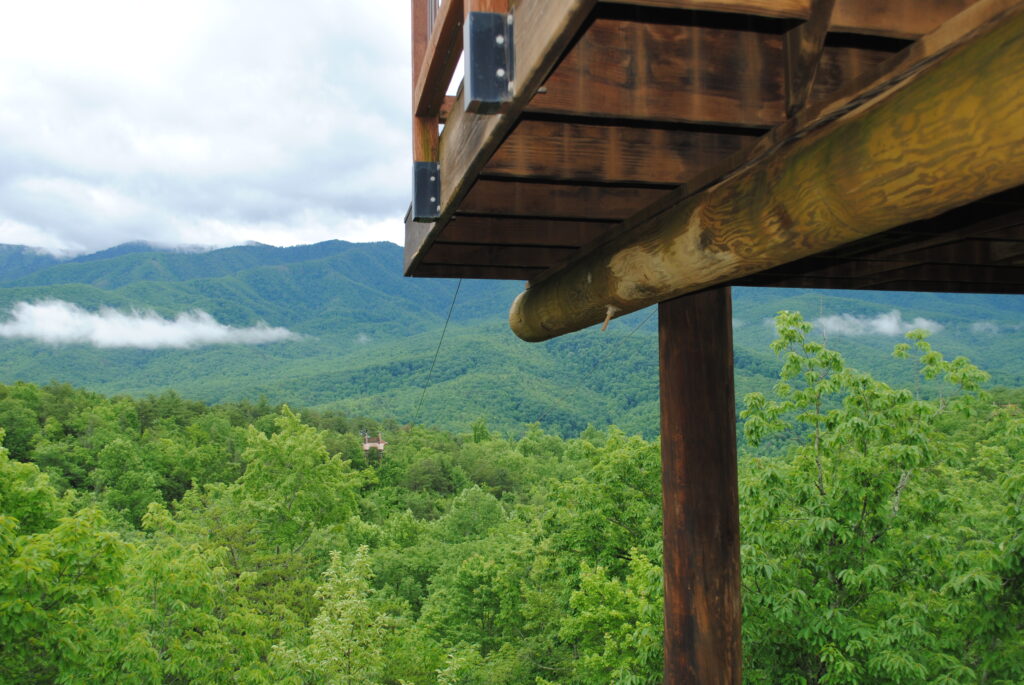
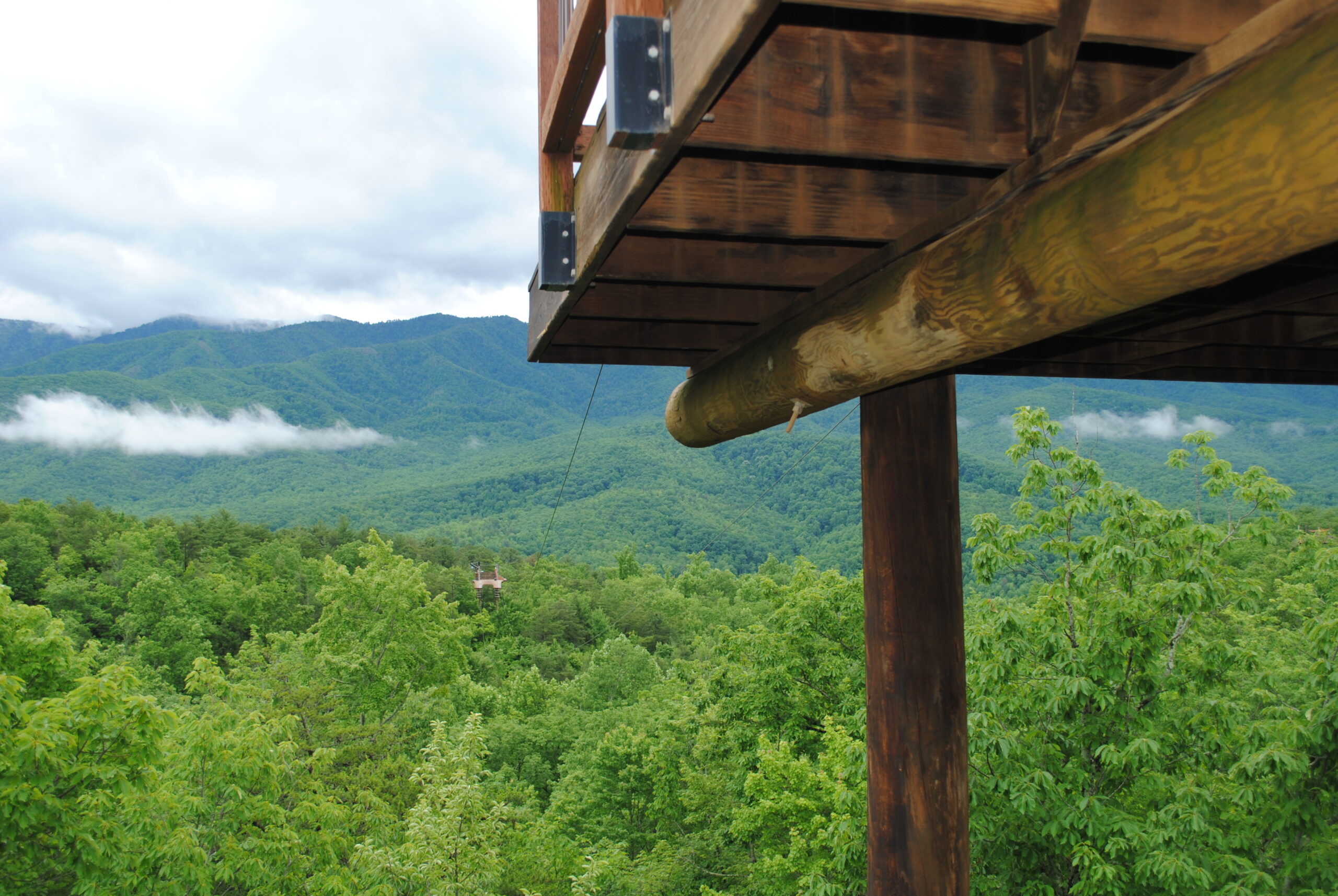
Keana Farms is a working farm in Kahuku. Not a theme park designed to look like a farm. Not a curated “experience” with an Instagram wall and a gift shop at the exit. It’s actual agricultural land with actual crops, and CLIMB Works built a zipline course through it with care and intention.
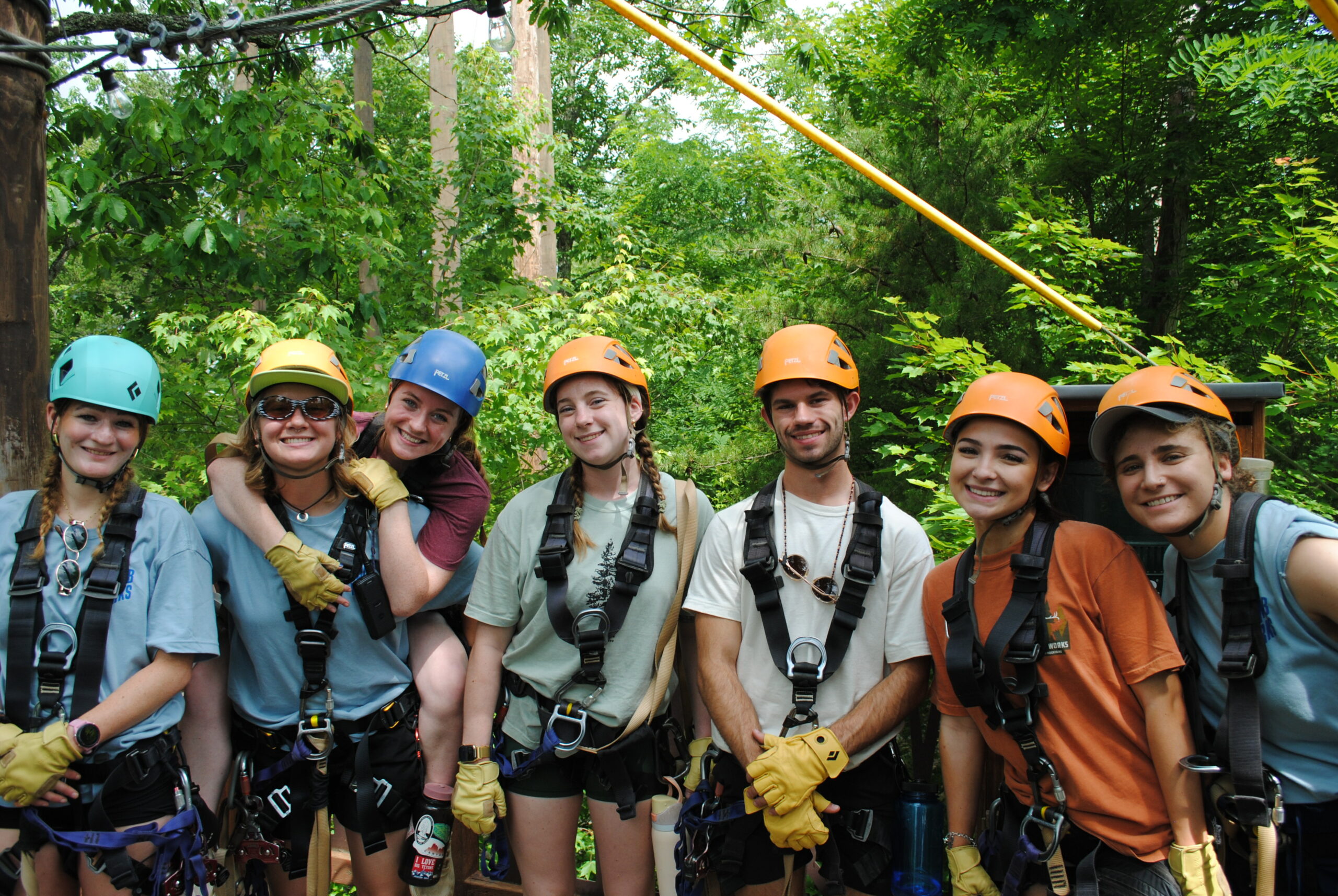
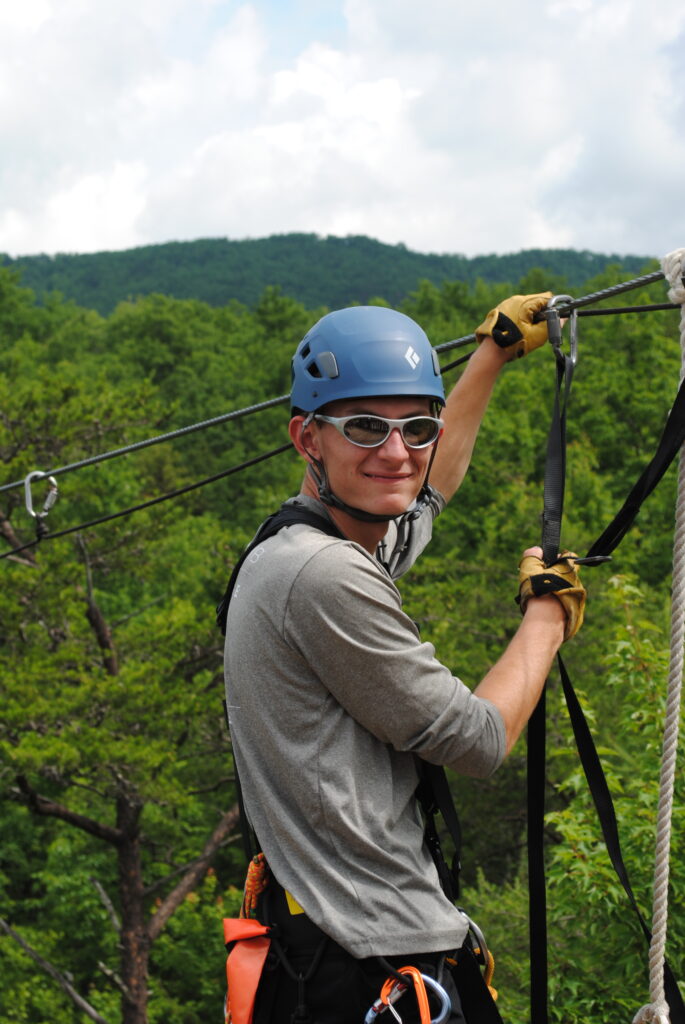
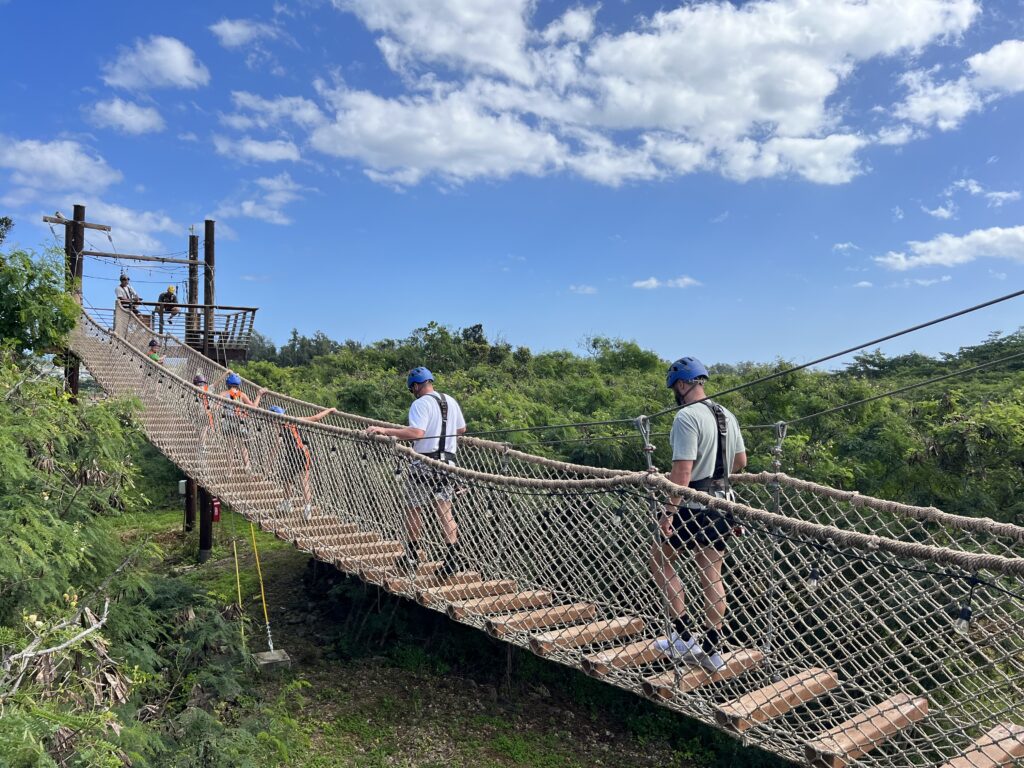
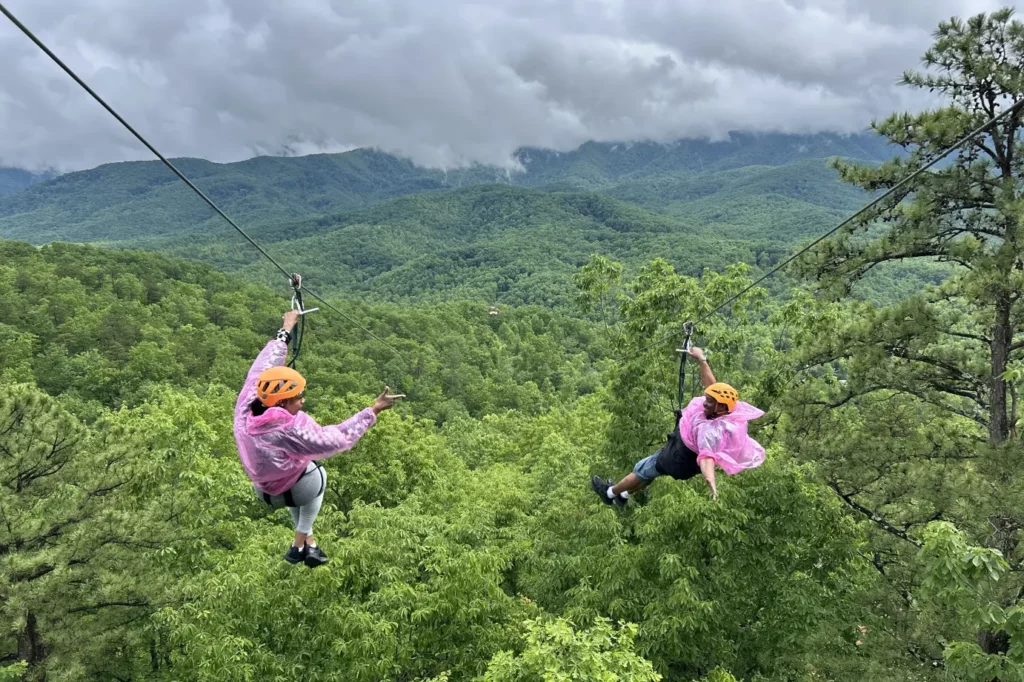
The Keana Farms Zipline Tour includes 15 unique adventure elements in a single guided experience: eight dual side-by-side ziplines, sky bridges, elevated boardwalks, and two controlled rappels. The variety is what surprises people because it’s not just one zipline after another. You’re transitioning between different types of elements, each with its own vantage point and its own feel. One moment you’re walking an elevated boardway through a canopy; the next you’re stepping off a platform into a controlled rappel.
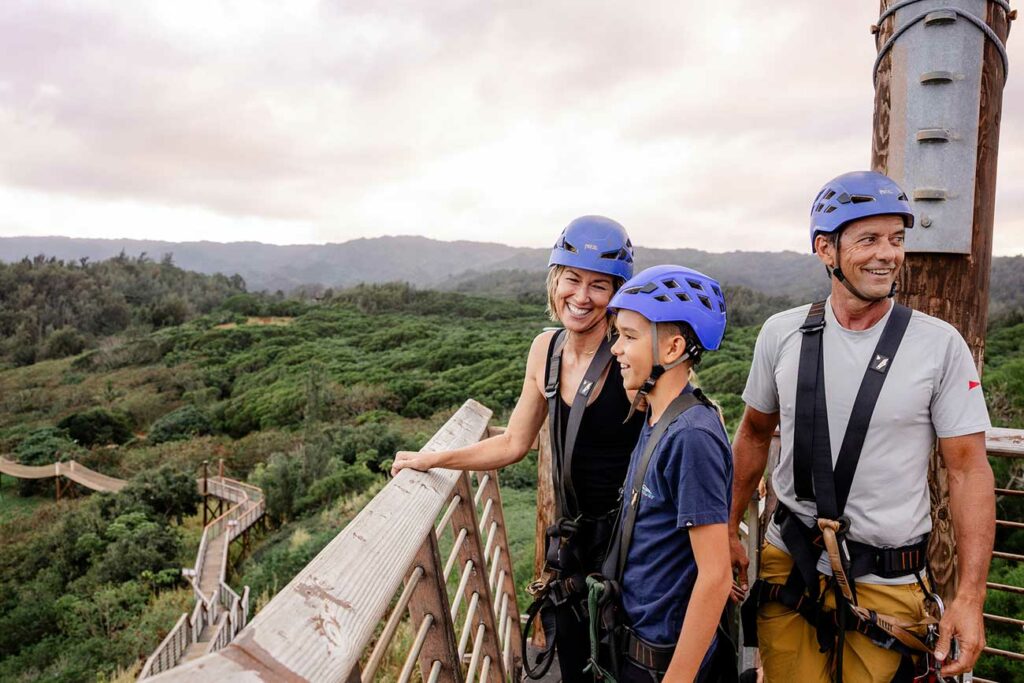
Tours run about 2.5 to 3 hours, which is long enough to actually feel immersed in the place. A lot of tourist activities on O’ahu are designed to be quick. This is the opposite. By the end of three hours, you know this farm. You know the views. You’ve had conversations with your guide that went beyond the script.
And here’s a detail that matters more than people expect: no hand braking required. The braking system is built into the course, so you don’t need to worry about controlling your speed or stopping yourself. It’s designed so that everyone can focus entirely on the experience. That’s not a small thing. We’ve watched thousands of guests go from white-knuckled grips at the start to arms-wide-open grins by the third zipline.
Plan It Right: Logistics for Visiting CLIMB Works
CLIMB Works is located at 1 Enos Rd, Kahuku, HI 96731, about 20 minutes from Banzai Pipeline and 25 minutes from Waimea Bay. If you’re coming from Waikiki, the drive takes roughly an hour and ten minutes. From Turtle Bay, it’s just eight minutes. From the Polynesian Cultural Center, about seven minutes.
If you don’t have a rental car, roundtrip transportation from Waikiki is available Monday through Saturday. Transportation from the Ritz Carlton Turtle Bay is also an option. Book it when you reserve your tour.
A few logistics: reservations are strongly encouraged. Walk-ins are not guaranteed, and popular time slots fill up, especially during peak season. Book online 24/7 or call (808) 200-7906.
What to wear: closed-toe shoes are required (no sandals, no exceptions). Secure long hair before you arrive. Skip the dangling necklaces and hoop earrings, anything that could catch on equipment needs to stay behind. Free lockers are available for keys and small items. Bring your camera with a strap. Don’t bring backpacks unless you need essential medication like an inhaler or EpiPen.
CLIMB Works is open year-round, Monday through Saturday. We’re closed Sundays. Tours run rain or shine. Quick Hawaiian rain bursts are normal and honestly part of the charm. We only close for thunderstorms, and if a weather cancellation happens, you’ll get the option to reschedule, receive a voucher, or get a full refund.
If plans change, cancellations made 48 or more hours before your tour receive a full refund or reschedule. Within 48 hours, bookings are final, so plan accordingly.
Age requirements: guests must be 5 or older. Ages 5–14 need an accompanying adult on the tour. Height range is 42 inches to 6’8″, with a weight maximum of 270 lbs (250 lbs if under 5’10”). Kids under 70 lbs may ride tandem with an adult.
Pair It With the Polynesian Cultural Center
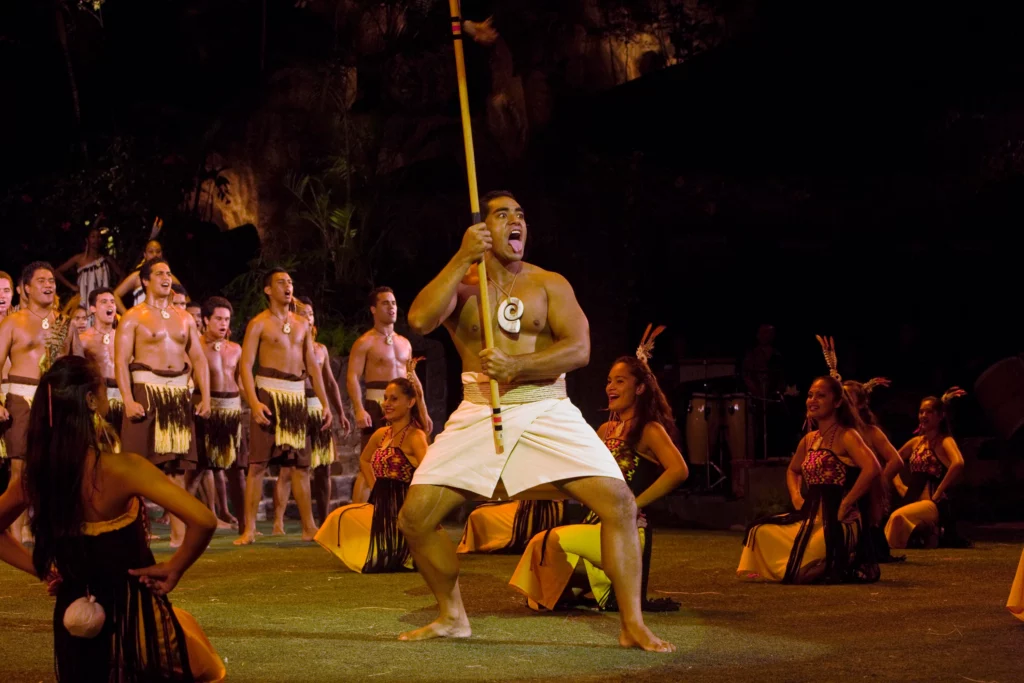
The Polynesian Cultural Center sits just minutes from CLIMB Works. This proximity makes a same-day pairing one of the smartest itinerary moves on the North Shore. You zipline in the morning, grab lunch, and walk into the Polynesian Cultural Center for an afternoon and evening that takes you across the Pacific Islands without leaving O’ahu.
Combo packages bundle the Keana Farms Zipline Tour with PCC’s All-Day Access, which includes the Island Villages experience, the Gateway Buffet dinner, and the HĀ: Breath of Life evening show is a large-scale theatrical production that tells a Polynesian story through fire dancing, drumming, and choreography that’s genuinely moving. You also get a free 3-day digital photo pass included. The savings are real: up to $47 per person versus booking each activity separately.
The PCC is one of the few attractions on O’ahu that goes deep into Pacific Island culture. The Island Villages are staffed by people from Samoa, Tonga, Fiji, Tahiti, Aotearoa (New Zealand), and Hawai’i, and the demonstrations — from fire-making to tapa cloth — are participatory, not just observational. It’s educational without feeling like a lecture, and it’s family-friendly without being watered down.
For a full day on the North Shore, this combo is hard to beat. You cover both the land-based, adrenaline side (ziplining through the mountains) and the cultural side (PCC) without backtracking to Waikiki. It’s efficient, it’s fulfilling, and it gives you the kind of day that most O’ahu visitors never piece together because they didn’t know these two places were seven minutes apart.
Or Add a Horseback Ride at Gunstock Ranch
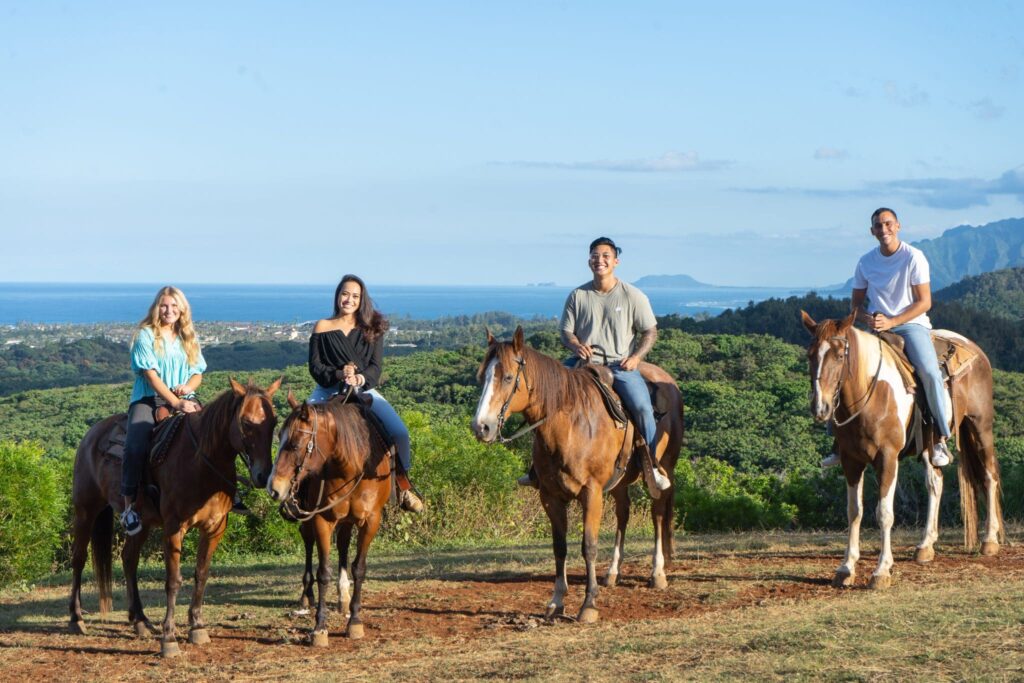
Gunstock Ranch offers a different kind of North Shore experience. The ranch sits in the hills above Kahuku, overlooking pastureland and forest that most visitors to O’ahu will never see.
The scenic horseback ride runs 1.5 to 2 hours and takes you through forest trails and open pastures with panoramic views. It’s mellow, beautiful, and the kind of experience that makes you forget you’re on an island with a million tourists. The pace is set by the horses, which means it’s unhurried by design. Available for ages 7 and up, it works well for families and couples alike.
Combo packages with CLIMB Works save up to $35 per person, which is a meaningful savings on a vacation where everything adds up fast. The ranch is close enough to Keana Farms that you can easily do both in one day. Zipline in the morning, horseback ride in the early afternoon. You’ve experienced the North Shore from above (zipline), from the ground (UTV and horseback), and from the table (shrimp truck lunch in between).
The North Shore Rewards the Curious
Most visitors to O’ahu never make it past the Waikiki-to-Diamond Head loop. The ones who carve out a day, drive the highway north, and commit to being somewhere unfamiliar are the ones who come back saying they found the Hawai’i they were actually looking for.
The North Shore isn’t polished. Some of the best food comes from trucks with no signage. The best views require a zipline harness or a muddy pair of boots. And the most memorable conversations happen with strangers at a fruit stand who are happy to tell you what’s ripe today.
That’s the trade-off, and it’s a good one. If you’re searching for non-touristy things to do on your O’ahu trip — things that feel earned rather than packaged — this is where you’ll find them. Book your tours in advance (walk-ins aren’t guaranteed anywhere worth going), bring cash for the roadside stands, wear shoes you don’t mind getting dirty, and give yourself enough time to actually be here.
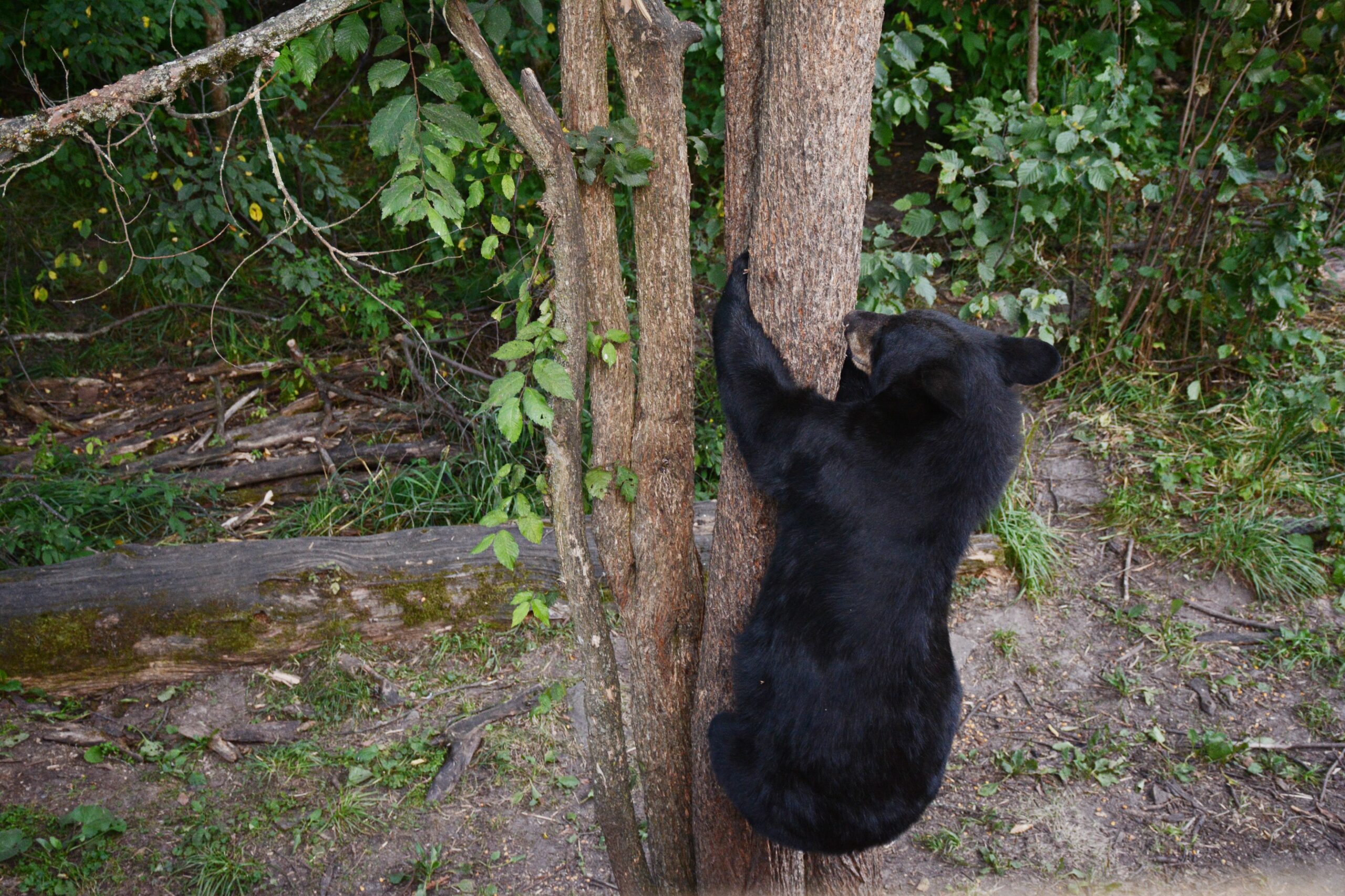
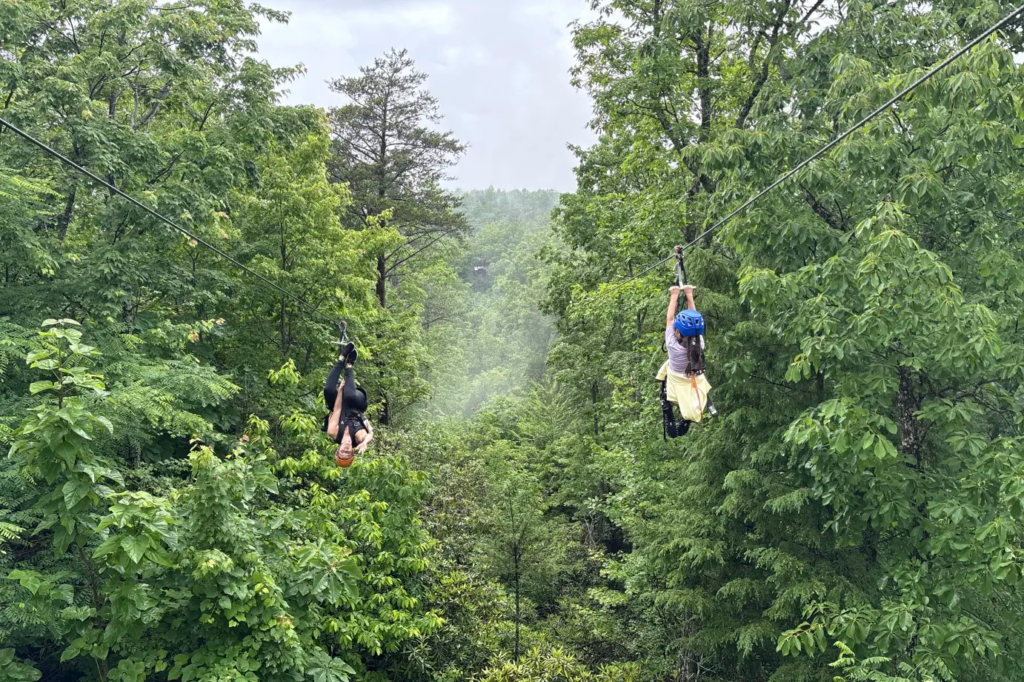 Requirements to know: Kids must be at least 5 years old and 42 inches tall. Maximum weight is 270 pounds (250 if under 5’10”). Children under 70 pounds can ride tandem with a guide or sibling, which is a great option for younger kids who meet the age requirement but are on the smaller side. Ages 5–14 need an accompanying adult on the tour; 15 and up can go independently.
 Combo potential:
 A few practical notes that’ll save you frustration when the weather turns: