

Gatlinburg Vacation Ideas: Top Things to Do in 2026
•
Gatlinburg sits in a narrow valley at the base of the Great Smoky Mountains, and it punches way above its weight for a town of about 4,000 year-round residents. If you’re gathering Gatlinburg vacation ideas for 2026, you’re in the right place — we’ve spent years showing people these mountains from 150 feet up, and we’ve picked up a few opinions about what’s worth your time on the ground, too. This

Gatlinburg sits in a narrow valley at the base of the Great Smoky Mountains, and it punches way above its weight for a town of about 4,000 year-round residents. If you’re gathering Gatlinburg vacation ideas for 2026, you’re in the right place — we’ve spent years showing people these mountains from 150 feet up, and we’ve picked up a few opinions about what’s worth your time on the ground, too. This guide covers the outdoor adventures, family attractions, scenic drives, restaurants, and practical planning details you actually need to build a trip that doesn’t feel like a checklist.
Why Gatlinburg Is the Ultimate Smoky Mountain Vacation Destination
Here’s what makes Gatlinburg different from other mountain tourist towns: you can walk out of a candy shop, drive eight minutes, and be standing in genuine wilderness inside the most visited national park in America. That combination of small-town walkability and direct national park access is hard to find anywhere else in the eastern U.S.
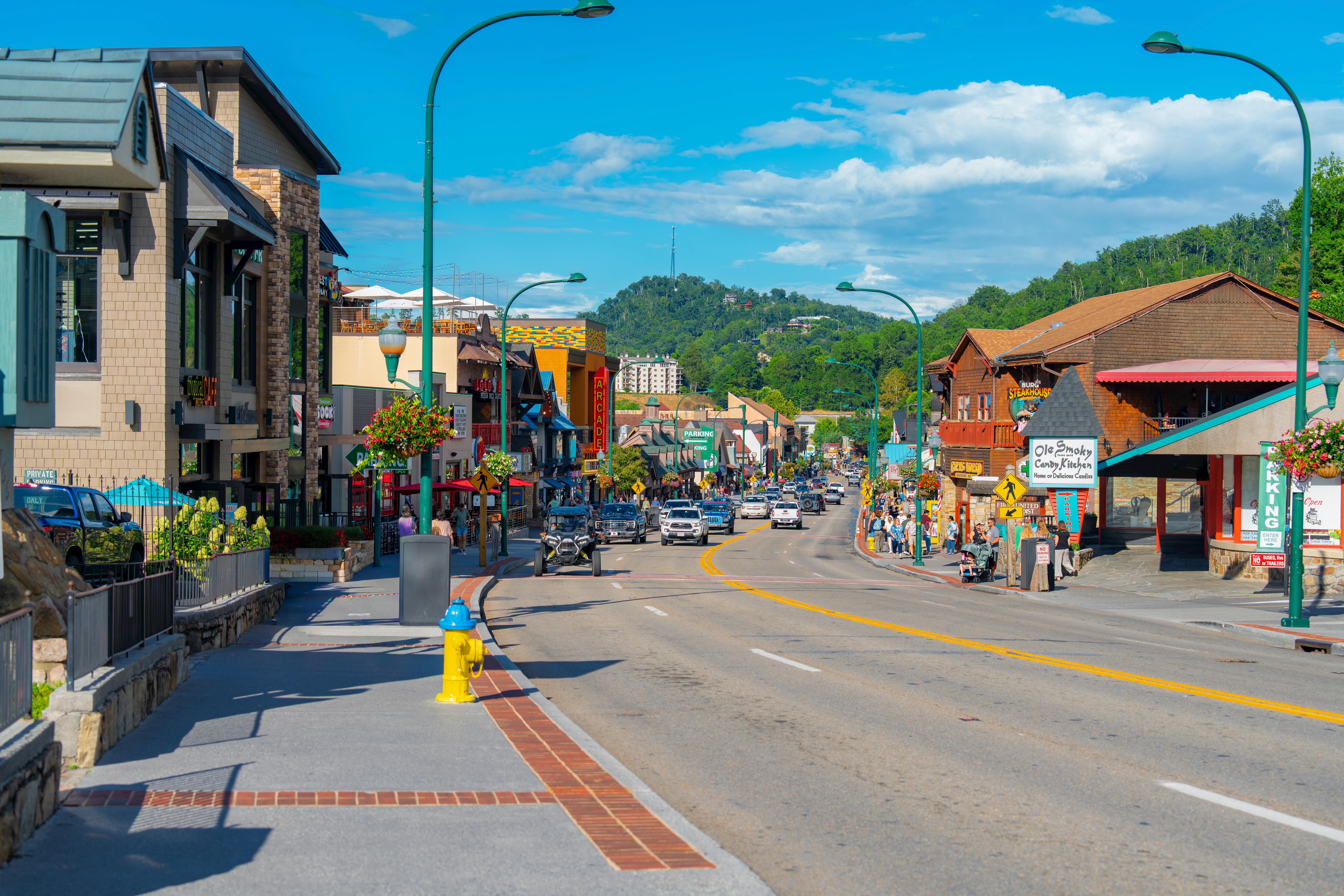
Photo by Denil Dominic
The town works for basically everyone. Families with young kids can fill a week without running out of things to do. Couples looking for a slower pace can build a trip around scenic drives, craft distilleries, and long dinners. And if your group wants to spend every waking hour outside — hiking, ziplining, rafting — Gatlinburg is happy to oblige. The Smoky Mountains don’t care whether you’re a hardcore hiker or someone who just wants to sit on a cabin porch and watch fog roll through the valley. There’s room for all of it.
One thing worth knowing up front: Gatlinburg is a gateway town, not just a destination. The best things to do here involve the mountains around it as much as the town itself. Plan accordingly.
Outdoor Adventures That Define a Gatlinburg Vacation
Let’s be honest, if you come to Gatlinburg and don’t spend time outside, you’re missing the point. The town is charming, sure, but the Smoky Mountain outdoor activities are what make this place special. And here’s a tip that surprises a lot of first-time visitors: most outdoor adventures here operate in conditions that would cancel activities in other destinations. Rain? Overcast? A little chilly? That’s just Tuesday in the Smokies. Don’t let a imperfect forecast keep you indoors.
Ziplining Through the Smoky Mountain Canopy
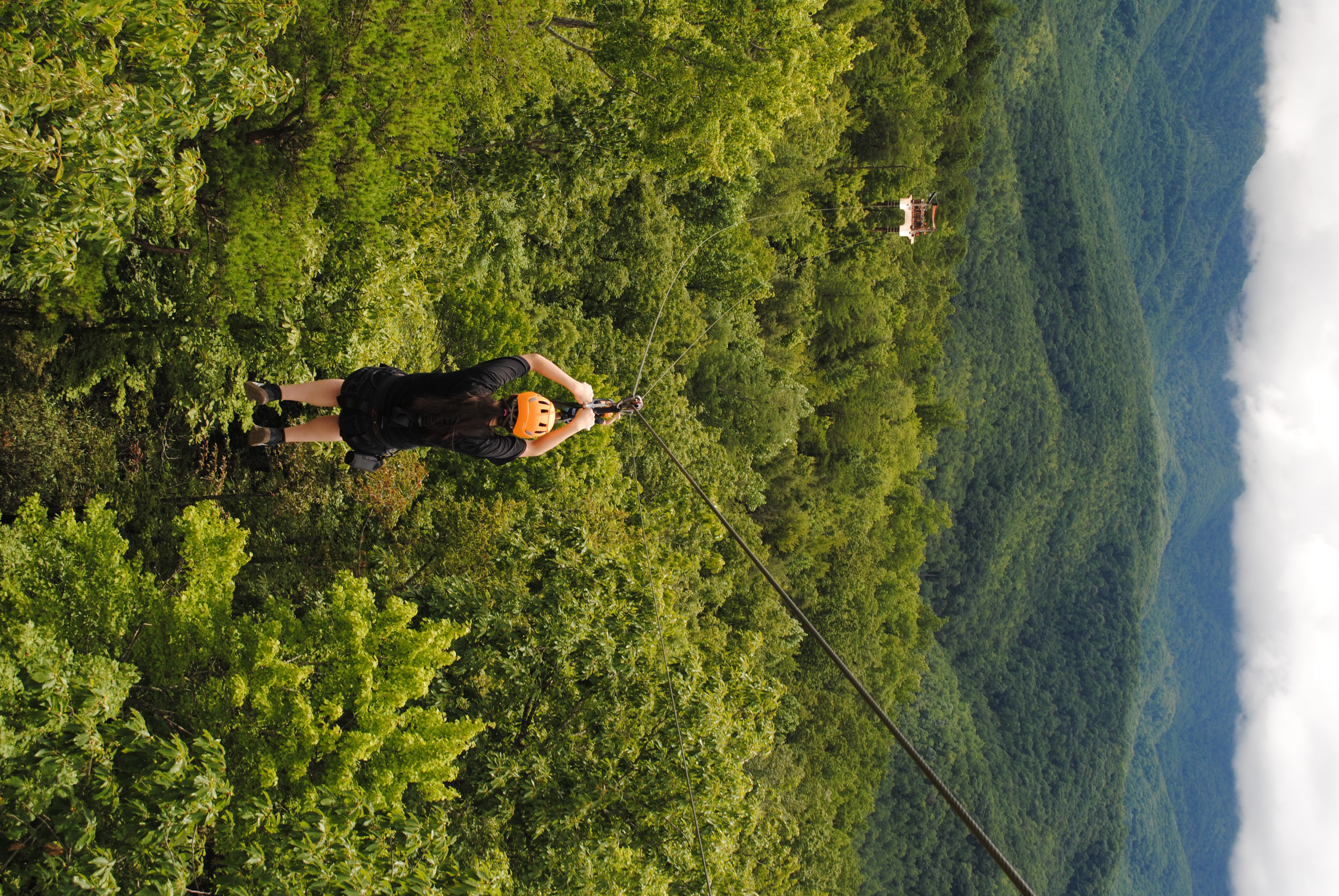
We run a Mountaintop tour at CLIMB Works Smoky Mountains that we’re (understandably) biased about, but here are the facts and you can decide for yourself: 6 ziplines, 3 sky bridges, and a rappel finish, with the highest line reaching 200 feet above the forest floor. The whole experience takes about 2 hours, which makes it a natural half-day anchor for your itinerary. Do it in the morning and you’ve still got a full afternoon ahead.
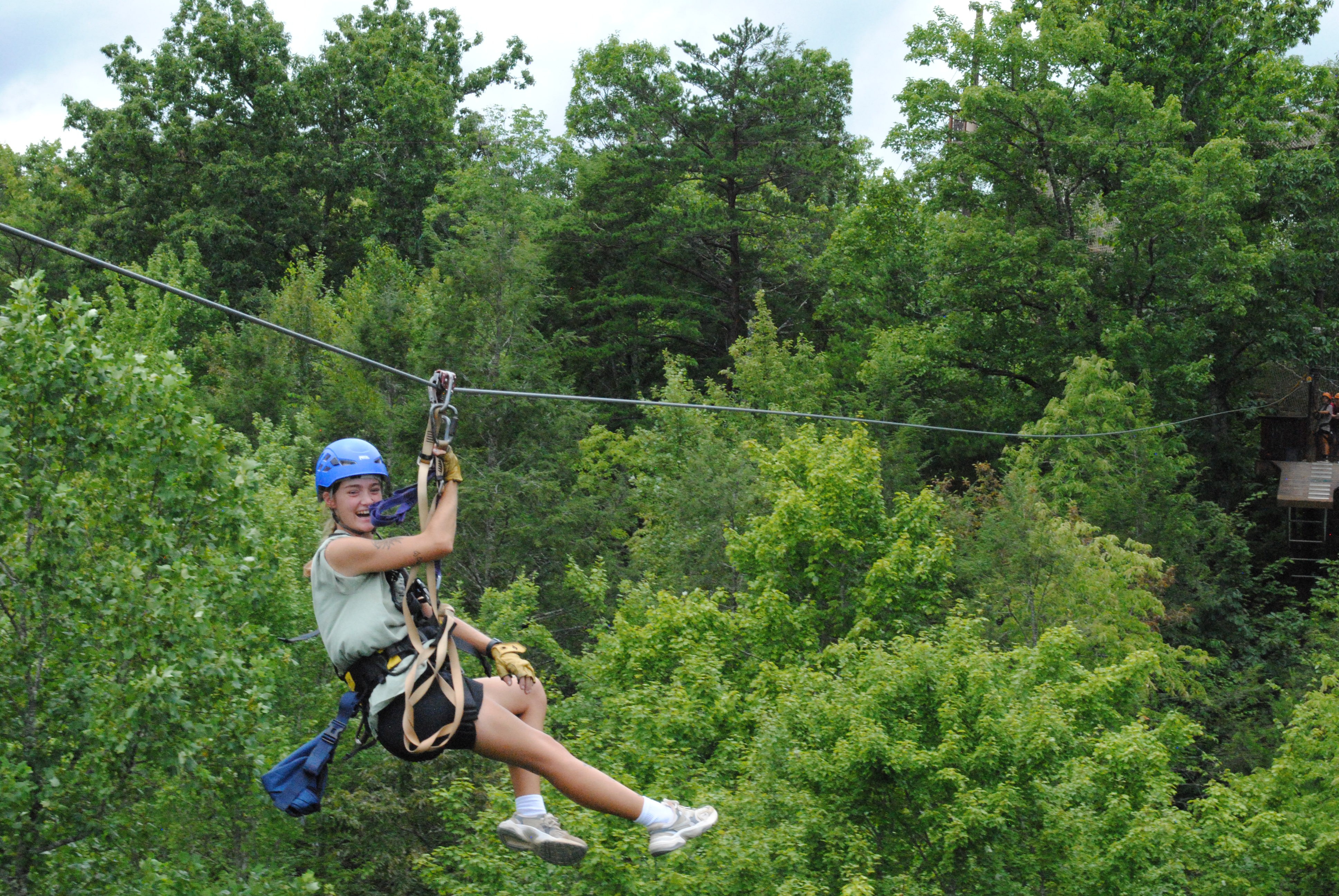
A few practical details for planning purposes:
– Requirements: Maximum 270lbs if you’re over 5’10, 250lbs if you’re 5’9 or below. You must be at least 5 years old and 42 inches tall to participate. If you weigh under 70 lbs, you may be required to ride tandem with a guide or a lightweight sibling.
– Weather policy: We operate rain or shine. The only things that shut us down are lightning and sustained winds above 35 mph, which is rare. A misty morning ziplining through cloud-wrapped forest canopy? That’s honestly one of the best versions of the experience.
– Plan Ahead: Book early in your trip. If you schedule it for day one or two, you’ve got flexibility to shift if you happen to hit one of those rare lightning days. Plus, it sets the tone. There’s something about starting a vacation 150 feet above the trees that recalibrates your whole week. Everything afterward feels a little more vivid.
Hiking the Great Smoky Mountains National Park
The park has over 800 miles of trails, which can feel paralyzing when you’re trying to pick one. Here’s how we’d break it down:
For families and casual hikers: The Laurel Falls trail just reopened in Spring 2026 after a two-year renovation, and it’s better than ever. The 2.6-mile round trip now features a fully paved walkway and a new viewing platform at the falls. It’s the most accessible waterfall hike in the park, and the upgrade means strollers and folks with mobility concerns can enjoy it too. Get there before 9 AM if you’re visiting June through October – it’s popular for good reason.
For moderate hikers: Alum Cave Trail (4.4 miles round trip to the bluffs) offers dramatic rock formations and arch bridges without requiring a full-day commitment. Grotto Falls (2.6 miles round trip) lets you walk behind the waterfall, which kids absolutely lose their minds over.
For the ambitious: Charlies Bunion via the Appalachian Trail is a 8-mile round trip with elevation gain that’ll remind you what your legs are for, but the payoff is worth every step.

Photo by: Beth Fitzpatrick
Pro tips that actually matter:
– Arrive at trailheads before 8 AM during summer and fall. Parking fills up and doesn’t turn over quickly.
– Pack layers regardless of the forecast. Elevation changes of 2,000+ feet mean the temperature at a summit can be 10–15°F cooler than the trailhead.
– Check the NPS website or call the Sugarlands Visitor Center for current trail conditions. Closures happen, especially after heavy rain.
Whitewater Rafting, Horseback Riding, and More
The Smokies’ outdoor adventure menu goes well beyond hiking and ziplining:
Whitewater rafting on the Pigeon River is a half-day commitment (plan 3–4 hours including transport). Our rafting partner, Smoky Mountain Outdoors (SMO), runs trips on both the Upper and Lower Pigeon. The Upper section has Class III and IV rapids for thrill-seekers, while the Lower section is a gentler float suitable for families with younger kids. We actually offer package deals with SMO, which is worth looking into if you want to stack a ziplining morning with a rafting afternoon.

Horseback riding through Cades Cove gives you the pastoral, wide-valley version of the Smokies. Think open meadows, historic cabins, and the chance to spot deer and wild turkeys. Several outfitters run guided rides lasting 45 minutes to a couple hours.
River tubing on the Little Pigeon River runs right through the edge of town and works best in summer when water levels cooperate. It’s low-key, low-cost, and takes about 1–2 hours.
Fishing in the park’s streams is excellent for smallmouth bass and rainbow trout. You don’t need a Tennessee state fishing license inside park boundaries, just a valid park fishing permit, which is free. (Yes, really.)
Family-Friendly Gatlinburg Attractions
When you need a break from the trails, or the weather turns ugly, Gatlinburg’s indoor attractions are better than they have any right to be for a town this size.
Ripley’s Aquarium of the Smokies consistently ranks among the top aquariums in the country, and it’s not just hype. The shark tunnel and penguin exhibit will hold kids’ attention for 2–3 hours easily. It’s right on the Parkway, so you can walk to lunch afterward.
Anakeesta is a mountaintop theme park accessible by gondola, with treetop walks, a mountain coaster, and genuinely good views. Budget 3–4 hours. It’s pricey (check their site for current rates), but the kids-to-entertainment ratio is strong.
Gatlinburg SkyLift Park takes you 1,800 feet up via chairlift to SkyBridge, one of the longest pedestrian suspension bridges in North America. The glass floor panels in the middle section are a fun litmus test for who in your family handles heights well. (It’s always the person you least expect.)
For rainy-day backup plans, the Gatlinburg Space Needle observation deck and the mirror maze attractions along the Parkway are solid 1–2 hour fills. The key is not over-scheduling these. Group two or three walkable downtown attractions into a single afternoon and save your main days for the mountains.
Scenic Drives and Sightseeing
Not every great Gatlinburg experience requires hiking boots or an adventure booking. Some of the best moments happen through a car window (or standing at an overlook catching your breath).
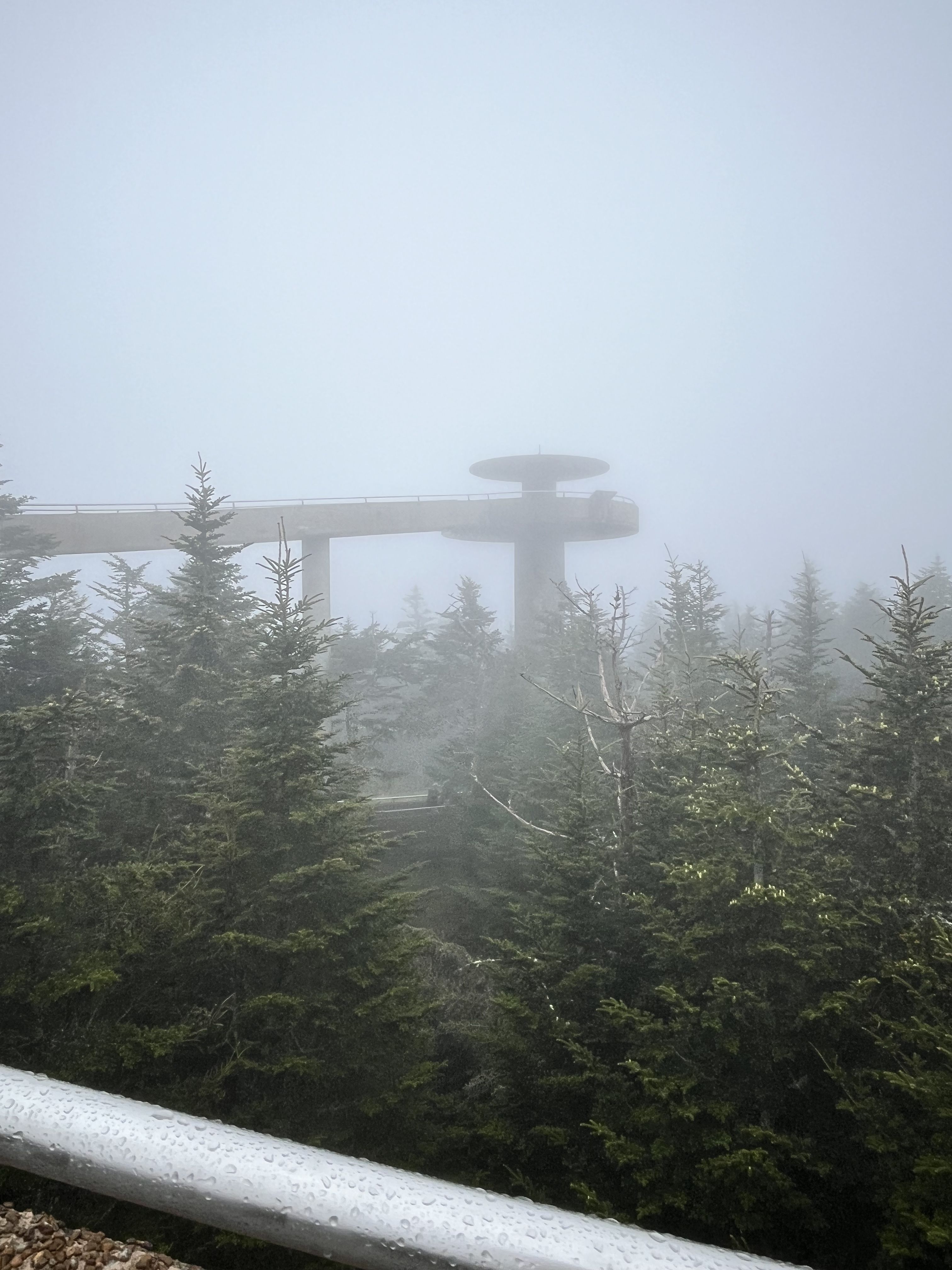
Kuwohi in the fog
Roaring Fork Motor Nature Trail is a one-way, 5.5-mile loop that starts right at the edge of Gatlinburg. It winds past old-growth forest, hist
oric homesteads, and several trailheads. No RVs or buses allowed, which keeps it feeling intimate. Budget 45 minutes if you’re just driving; longer if you stop to explore.
Newfound Gap Road (US-441) crosses the park from Gatlinburg to Cherokee, NC, climbing to 5,046 feet at Newfound Gap. The overlooks along the way are stunning, and on clear days you can see for 100 miles. The drive takes about an hour one-way without stops, but you’ll want to stop.
Kuwohi (formerly Clingmans Dome) is the highest point in the Smokies at 6,643 feet. The half-mile walk from the parking area to the observation tower is steep but paved, and the 360-degree views from the top are the kind you remember. Keep in mind, the road to Kuwohi closes December through March, so plan accordingly if you’re visiting in winter.
Traffic tips: During peak season (June–August and October), avoid driving Newfound Gap Road between 10 AM and 3 PM. Early morning departures, we’re talking 7:30 AM, reward you with lighter traffic, better light for photos, and a higher chance of wildlife sightings.
Where to Eat and Shop in Gatlinburg
Gatlinburg’s food scene isn’t going to win any James Beard awards, but it has genuine personality. And the shopping, particularly once you get off the main drag, is better than you’d expect.
Eating: Pancake houses are a Gatlinburg institution. The Pancake Pantry on the Parkway has been open since 1960 and there’s usually a line, but it moves fast and the buckwheat pancakes are the real deal. For dinner, The Peddler Steakhouse sits right on the river and lets you pick your own cut from a salad-bar-style meat display (trust us, it works). If you want something more casual, Smoky Mountain Brewery has solid pub food and locally brewed beer.
Drinking: Don’t sleep on the craft distilleries. Sugarlands Distilling Company and Ole Smoky Moonshine both offer cheap tastings on the Parkway. Even if moonshine isn’t your thing, it’s worth ducking in for the experience.
Shopping: Skip the generic souvenir shops (or don’t — no judgment) and head to The Village Shops, a European-style shopping area tucked off the Parkway with about 27 boutiques. For something truly unique, drive the Great Smoky Arts & Crafts Community, an 8-mile loop east of town where over 100 artisans sell handmade pottery, leather goods, brooms, candles, and woodwork from their own studios. It’s the largest independent artisan community in North America, and it feels nothing like a tourist trap.
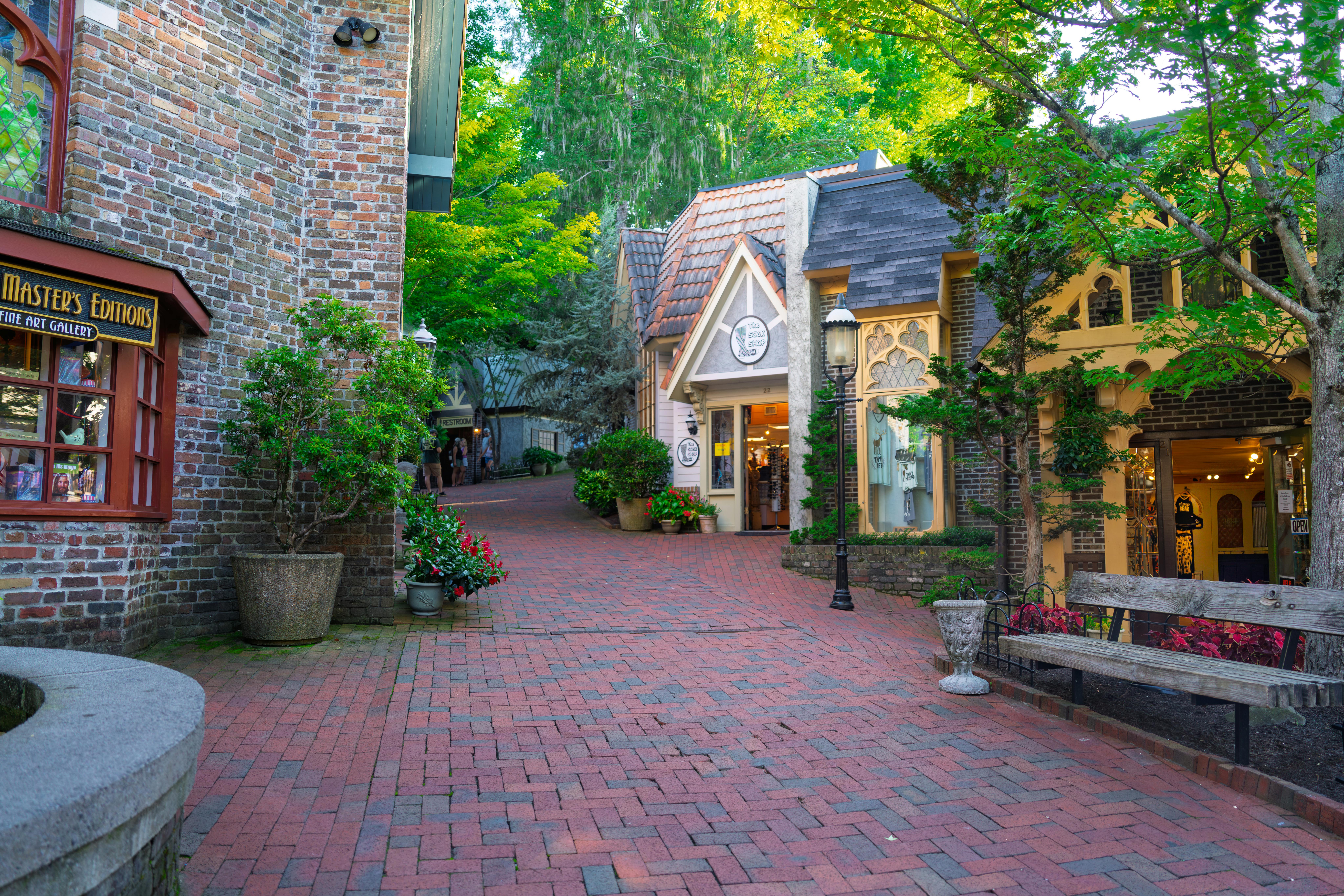
Photo by Denil Dominic
The natural move: pair dinner and a downtown stroll after a full day outdoors. The Parkway at dusk has a different energy than it does at noon. It’s mellower, more atmospheric, and slightly less crowded.
How to Plan Your Gatlinburg Vacation Itinerary
Most visitors stay 3–5 days, and three full days hits the sweet spot for a first trip. Here’s a sample itinerary that balances adventure, sightseeing, and downtime:
Day 1: Adventure Day
– Morning: CLIMB Works canopy tour (book the earliest time slot; you’ll beat the heat and have the rest of the day open). Plan for about2.5 hours start to finish.
– Afternoon: Laurel Falls hike (2.6 miles round trip, 1.5–2 hours with photo stops). Drive time from CLIMB Works to the trailhead is about 20 minutes.
– Evening: Dinner at The Peddler, then walk the Parkway for ice cream or a moonshine tasting.
Day 2: Park Exploration Day
– Morning: Drive Newfound Gap Road to Kuwohi. Leave by 7:30 AM. Plan 3–4 hours round trip including the summit walk.
– Afternoon: Roaring Fork Motor Nature Trail on the way back into town (~45 min), then a late lunch downtown.
– Evening: Explore the Arts & Crafts Community loop (shops close around 5–6 PM, so time it right) or relax at your cabin.
Day 3: Family Fun Day
– Morning: Ripley’s Aquarium (2–3 hours) or Anakeesta (3–4 hours).
– Afternoon: River tubing if it’s summer, or Gatlinburg SkyLift Park for the bridge walk.
– Evening: The Village Shops, dinner at Smoky Mountain Brewery, and whatever strikes your fancy on the Parkway.
Planning tips that save headaches:
– Book adventure activities and popular restaurants as early as possible, especially during peak fall foliage (mid-October) and summer weekends. Things sell out.
– Schedule your must-do outdoor activities early in the trip. Since things like ziplining run in almost all weather, you’re likely fine, but having a buffer day means nothing gets missed if plans shift.
– Save indoor attractions as backup options, not scheduled activities. You probably won’t need them, but knowing they’re there takes the stress out of a rainy morning.
Best Time to Visit Gatlinburg
There’s really no bad time to visit, but each season delivers a different trip:
Spring (April–May): Wildflowers, waterfalls at peak flow, mild temps (50s–70s). Moderate Synchronous fireflies event in late May/early June requires a lottery; make sure to plan way ahead
Summer (June–August): Full activity menu, long days, swimming holes. Make sure to arrive at trailheads before 8 AM or expect parking headaches.
Fall (September–November): Foliage peaks mid-October, crisp air, harvest festivals. Book accommodations months in advance for October; it’s one of Gatlinburg’s busiest months.
Winter (December–February): Holiday lights, smaller crowds, lower prices, occasional snow. Some seasonal attractions close, but winter hiking is peaceful.
The insider move: Late September and late April are the shoulder-season sweet spots. Comfortable temperatures, manageable crowds, and full access to outdoor activities. Most adventure experiences, including ziplining, operate year-round, so you’re not giving up much by avoiding peak dates.
However you build your Gatlinburg trip, the thing we’d encourage most is leaving room in your schedule for the unplanned stuff — the overlook you didn’t know about, the trail that catches your eye, the extra hour on the cabin porch because the sunset is doing something ridiculous over the ridgeline. The mountains have been here for 300 million years. They’re not in a hurry, and your vacation shouldn’t be either.
And if you want to see all of it from 200 feet up, we know a place.