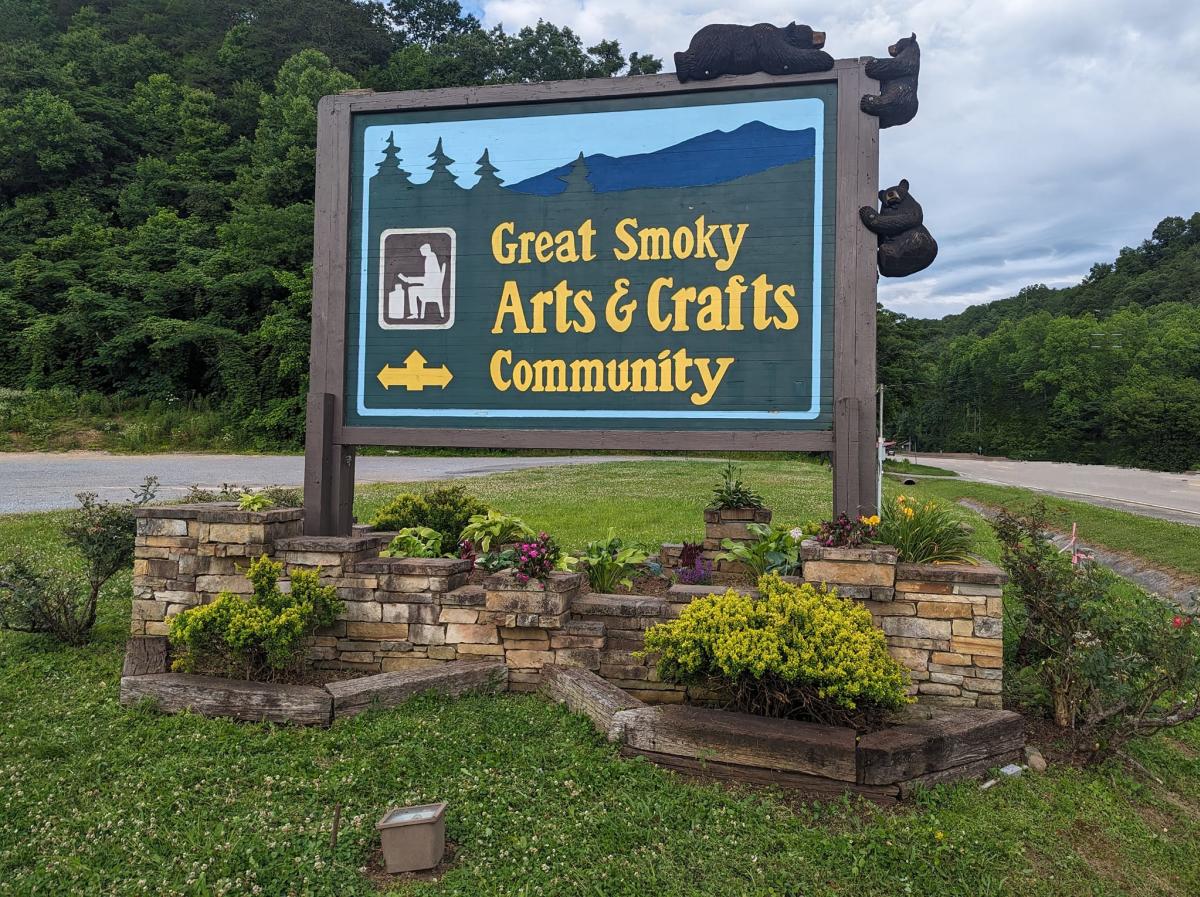
What Is Gatlinburg’s Arts and Crafts Community?
Gatlinburg’s Arts and Crafts Community is the largest independent artisan community in the United States, with over 100 studios, galleries, and shops lining an 8-mile loop just minutes from downtown. Located off Traffic Light 3A on the east side of town, it’s been home to working artists and craftspeople since 1937, making it one of the oldest continuously operating craft communities in the country.
So why does it qualify as a hidden gem when it’s technically been around for nearly a century? Because most visitors genuinely don’t know it exists. The main Gatlinburg strip has such a gravitational pull with the neon, pancake houses, and crowds funneling toward the national park entrance that the Arts and Crafts Community gets overlooked entirely. There are no flashing signs pulling you off the Parkway. No carnival rides competing for your attention. It’s quiet by design, and that’s exactly what makes it worth the detour.
The community sits on a loop formed by Glades Road, Buckhorn Road, and a stretch of the Historic Nature Trail. It’s not a mall or a theme park dressed up as a craft fair. These are actual studios where people make things with their hands. Potters throwing clay, glass artists shaping molten blobs into vases, woodworkers turning bowls on a lathe. The artists live here, work here, and in many cases, their families have been doing this for generations. You’re not buying mass-produced souvenirs shipped from overseas. You’re buying something made in the building where you’re standing, often by the person handing it to you.
That distinction matters, and it’s the reason we keep pointing guests toward the loop. If you want to bring something home from the Smokies that actually means something, this is where you go.
How to Navigate the Loop Without Getting Overwhelmed
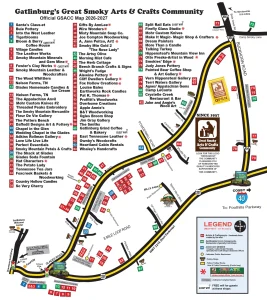
Here’s where people trip up: they hear “over 100 shops” and either try to hit every single one (impossible in a day) or get so overwhelmed they skip the whole thing. Neither approach serves you well. The Arts and Crafts loop rewards a slower, more selective pace.
Know the Layout
The loop runs along three roads: Glades Road (the main artery where you’ll find the densest cluster of studios), Buckhorn Road (which connects back around and has some quieter stops), and a section of the Historic Nature Trail (which ties back toward downtown). You can drive the whole thing in about 20 minutes without stopping. But why would you do that? The point is to stop.
Most people drive the loop and pull over when something catches their eye. That works fine, parking is free and plentiful at nearly every studio, which is a welcome change from downtown where you might pay $10 or more for a lot. Some visitors prefer to bike the loop, which is doable but hilly in spots. If you’ve got kids or anyone with mobility concerns, driving and making targeted stops is the easier call.
Pick 4–5 Stops and Commit
Rather than trying to see everything, pick four or five studios that interest you based on the craft category. There’s pottery, glassblowing, leather, painting, and so much more. Spend 20 to 30 minutes at each. Talk to the artists. Watch them work. Ask questions. That’s the whole experience. If you rush through like it’s a checklist, you’ll miss what makes this place different from every other shopping district you’ve ever visited.
Go in the Morning
We can’t stress this enough: morning visits are the move. By midday, especially on weekends and during fall season, the loop sees more traffic and the most popular studios get busy. Show up between 9:00 and 10:00 AM and you’ll often have artists practically to yourself. That’s when you get the real conversations, the behind-the-scenes explanations, the “here, let me show you how this works” moments. It’s a completely different experience than walking in when there’s a crowd three-deep at the counter.
Standout Studios Worth Slowing Down For
With over 100 stops on the loop, we can’t cover them all. But here are a few categories and specific studios that we consistently hear guests rave about.
Glassblowing
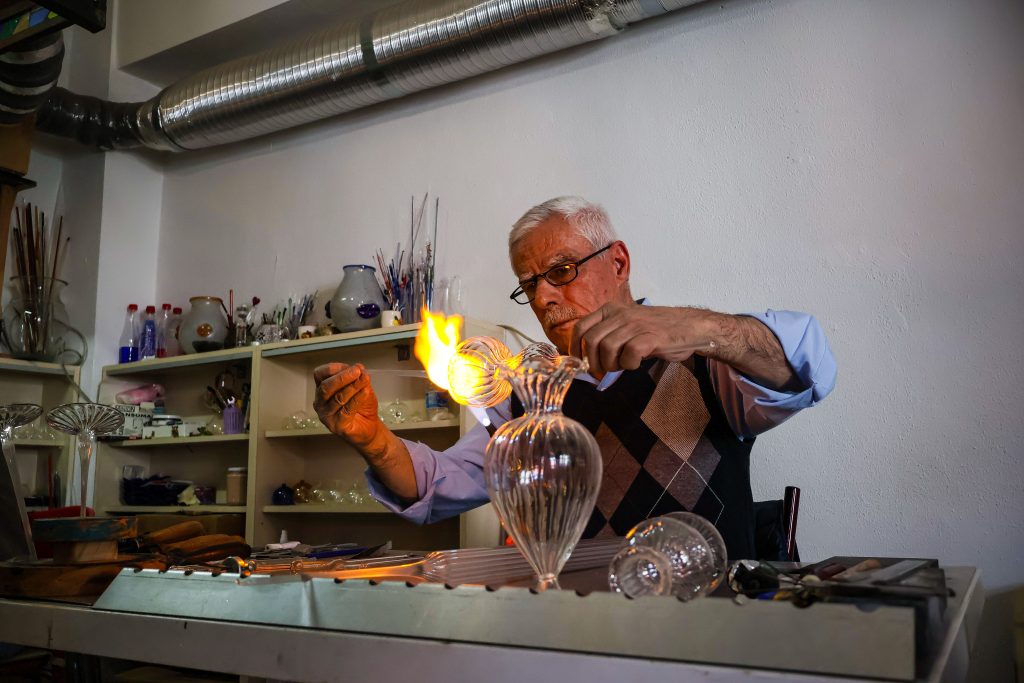
Watching someone shape molten glass in real time is one of those things that stops you in your tracks, even if you’ve never given glasswork a second thought. Alewine Pottery & Glass is one of the most popular stops on the loop. They do live glassblowing demonstrations that are mesmerizing. You can watch an artist pull a glowing blob of glass from a 2,000-degree furnace and shape it into a vase or ornament in minutes. Their finished pieces range from small ornaments around $15 to larger art pieces north of $200. Even if you don’t buy anything, the demonstration alone is worth the stop.
Woodworking
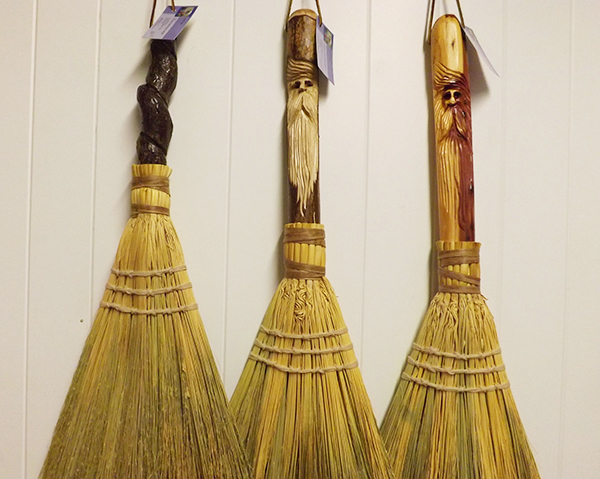
The Smokies and woodcraft go together like biscuits and gravy. Several studios on the loop specialize in hand-turned bowls, carved walking sticks, cutting boards, and furniture. Ogle’s Broom Shop is a must-stop, not because you need a broom (though you might leave wanting one), but because watching the process of hand-tying a broom from natural materials is strangely fascinating. The Ogle family has been making brooms in the Smokies for generations, and they’ll walk you through every step if you ask. Brooms start around $30, and they’re functional art, the kind of thing you hang on the wall but could actually use.
Pottery
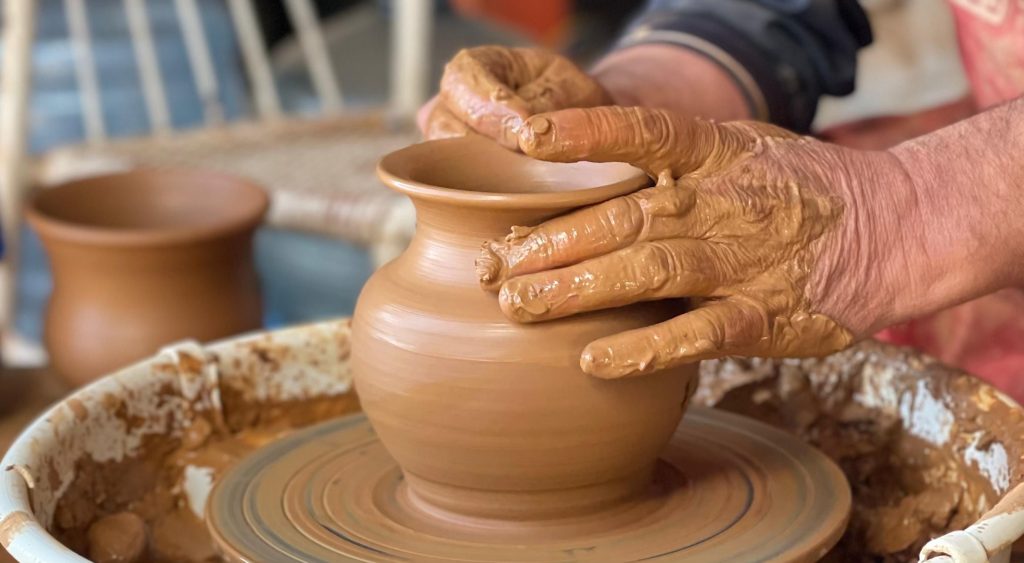
Pottery studios dot the loop, and most welcome visitors to watch the wheel in action. You’ll find everything from functional mugs and plates to decorative pieces. Many potters use local clay and glazes inspired by the colors of the mountains. Prices vary widely; a handmade mug might run $20 to $40, while a large signed piece could be several hundred. The key thing: ask the potter about their glaze process. Almost every potter on this loop has a signature style, and hearing them explain why their green is different from the green at the studio down the road is one of those small, memorable moments you won’t get at a big-box store.
Painting and Fine Art
For those drawn to two-dimensional work, the Jim Gray Gallery is a standout. Jim Gray’s watercolors capture the Smokies in a way that feels both realistic and slightly dreamlike. The gallery carries originals and prints, so there’s a wide price range. Prints might start around $20 to $30, while original works are investment-level pieces. Several other painters and photographers have studios on the loop as well, each with their own interpretation of the mountains that surround us all here.
A Note on Talking to the Makers
This is the part that separates the Arts and Crafts Community from every other shopping experience: the artists are right there. Most studios are set up so the workspace is visible from the retail area. The maker behind the counter is the person who made the thing you’re holding. They’re generally happy to talk about their process, their inspiration, how long they’ve been on the loop, and what it’s like to make a living as an independent artist in a tourist town. Those conversations are free, and they’re honestly the best souvenir you’ll take home.
Tips for Making the Most of Your Arts and Crafts Visit
A few practical pointers that’ll help you get more out of your time on the loop.
Go on a Weekday If You Can
Weekends bring noticeably more foot traffic, especially during summer and fall. If your schedule allows a Tuesday or Wednesday morning visit, you’ll have a much more relaxed experience. Weekday mornings are when the loop feels the most like a quiet mountain community and the least like a tourist destination. That said, weekends are still manageable, just expect more company at the popular studios.
Bring Cash
Most studios accept credit cards these days, but some of the smaller or more traditional shops still operate on a cash-only basis. Having $40 to $60 in cash on hand means you won’t miss out on a hand-carved ornament or a small pottery piece because you didn’t plan ahead. There’s no ATM on the loop itself, so stop at one in town before you head out.
Give Yourself at Least 2–3 Hours
Rushing the craft loop defeats the entire purpose. This isn’t a drive-through attraction, it’s a place where slowing down is the experience. Two to three hours lets you browse comfortably, watch a demonstration or two, have real conversations with artists, and maybe grab a snack at one of the small food vendors along the way. If you’re the type to get absorbed in a woodworking demonstration (and honestly, most people are), budget closer to three hours.
Don’t Skip the “Boring” Studios
Some of the best moments on the loop happen at studios you might otherwise pass; the candle maker, the leather worker, the soap shop. These aren’t flashy, but the craftsmanship is real and the conversations are often the most interesting. Keep an open mind and poke your head into places that don’t immediately grab you. The loop rewards curiosity.
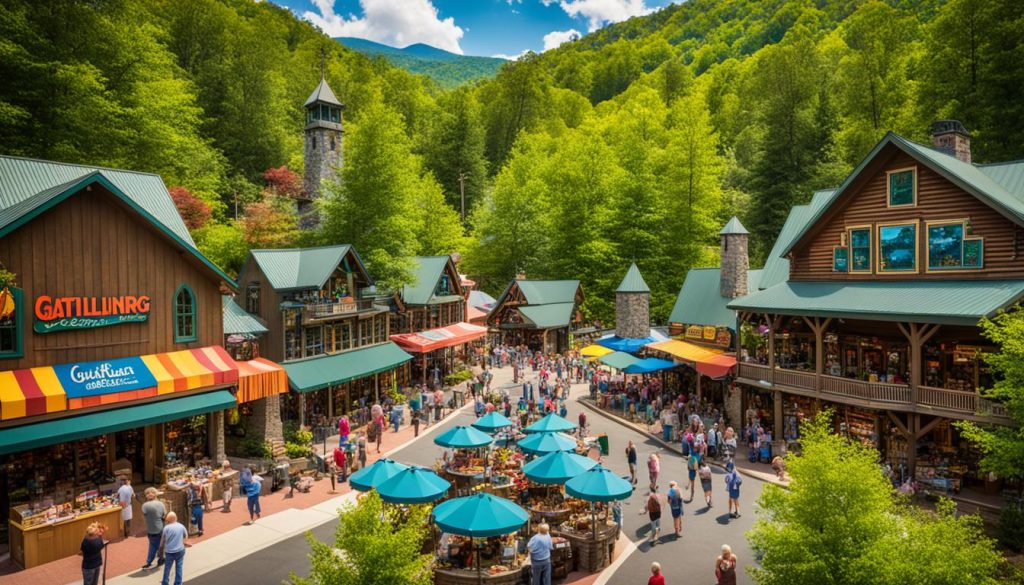
The Gatlinburg strip will always have its appeal. It has the energy, the crowds, and the taffy shops doing their thing. But the hidden gems in the Smoky Mountains tend to live just outside the spotlight, and the Arts and Crafts Community is the best example we know. An 8-mile loop of real artists making real things, five minutes from downtown but a world apart in feel.