CARING FOR THE LANDS ABOVE LĀʻIE.
Agriculture, restoration, and responsible access — a long-term commitment to Lāʻie.
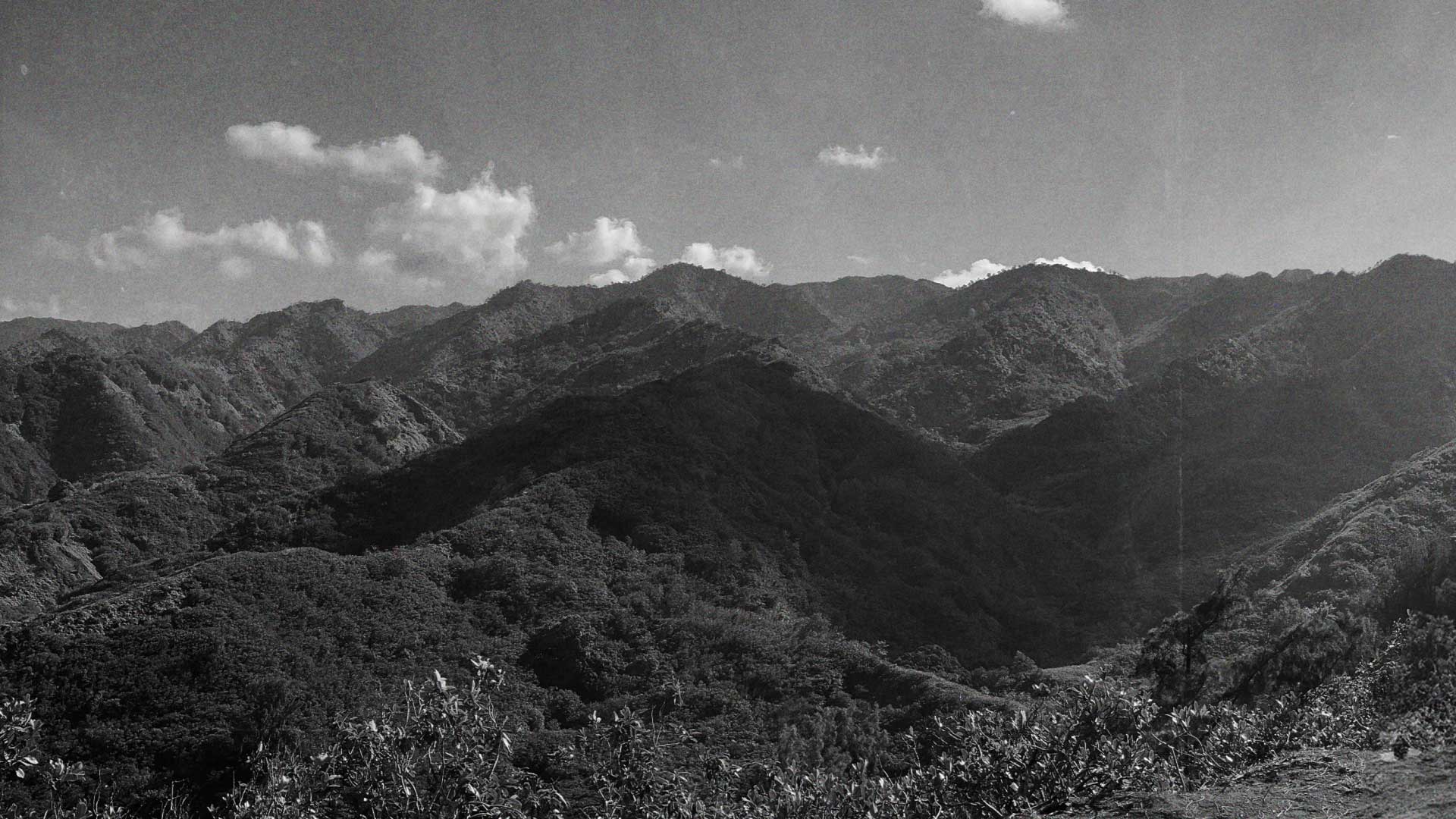
Aloha kākou,
With humility and a deep sense of responsibility, we are honored to support ongoing stewardship efforts in the mountains above Lāʻie.
For more than two decades, these lands have been the site of a quiet, patient effort—to keep working agricultural land in production, restore native Hawaiian forest, and care for this place for the generations who will inherit it. The first native reforestation test site here was planted in 2003, long before any visitor activity was imagined.
CLIMB Works has operated within the Kahuku and Lāʻie communities since 2014, with a longstanding commitment to environmental responsibility, cultural respect, and meaningful community relationships. Through partnerships with local organizations, land stewards, and community members, we are working to help care for these lands in a thoughtful and sustainable way.
Together with HRI, we are supporting long-term efforts focused on restoring native landscapes, improving land management practices, addressing erosion concerns, and helping preserve the agricultural and cultural character of the area for future generations.
These efforts are intended to complement and support the longstanding educational, cultural, and community-serving organizations that have helped shape Lāʻie for generations. The goal is not simply recreation, but the creation of opportunities for education, stewardship, responsible access, and deeper connection to the history and natural environment of the area.
A Reviewed, Permitted, Accountable Project
The work has been deliberate and heavily reviewed. The project earned its Conditional Use Permit from the City and County of Honolulu in 2020 after extensive agency and community review—with commitments to keep the majority of the site in active agricultural use, protect native birds and the endangered Hawaiian hoary bat, safeguard the streams that cross the property, and control invasive species. These were never afterthoughts. They are the conditions the project is built around.
To do this well, we are working alongside respected local experts in native Hawaiian plants and cultural practice, so that what we restore reflects the species, knowledge, and traditions that belong to this place.
Supporting Long-Term Stewardship and Responsible Access
The mountain areas above Lāʻie face ongoing challenges, including erosion, invasive species, wildfire impacts, illegal dumping, and unmanaged activity in sensitive areas. In response, efforts are underway to support long-term stewardship, restoration, and responsible management of access in designated areas.
Current plans are intentionally designed to avoid significant impacts to traditionally used community trails and historic local access patterns. In limited areas where activity has occurred in the past, efforts have been made to improve safety, reduce erosion, and minimize environmental impact through thoughtful trail planning and land management practices.
Stewardship efforts are being guided through consultation with cultural practitioners, native plant specialists, environmental experts, and longtime local residents familiar with the mountains and their history. These conversations continue to play an important role in shaping how restoration and access management move forward.
We recognize and respect the longstanding cultural, recreational, and subsistence practices that have historically taken place in these mountains, including responsible hunting, gathering, and traditional local use. There is no intention to interfere with those practices when conducted responsibly and respectfully.
A core part of the stewardship approach is guided and managed visitation. Visitors participating in organized experiences enter and exit designated areas under supervision—helping reduce unmanaged traffic, improve safety, minimize environmental impacts, and support more consistent care for the land. Additional on-site presence and monitoring also help discourage illegal dumping, unauthorized activity, wildfire risks, and damage to sensitive areas that have affected portions of the mountains in recent years.
Where possible, stewardship and restoration efforts will continue to involve local knowledge, local voices, and community participation—including the guidance of longtime residents and others with longstanding relationships to these lands.
Responsible Access and Low-Impact Recreation
As part of these stewardship efforts, several carefully managed, low-impact recreational opportunities are being explored in limited areas of the property. These experiences are being designed around three core principles:
- Low Environmental Impact: Activities prioritize sustainable trail design, responsible land use, and minimal visual and noise impacts on the surrounding environment and community.
- Education and Connection: Interpretive elements, guided experiences, and educational opportunities share stories connected to the land, agriculture, and the history of the area.
- Family-Friendly Outdoor Experiences: Experiences are intended to be safe, accessible, and welcoming for families and individuals seeking meaningful connection with nature and the outdoors.
Any guided or paid activities remain limited in scope and concentrated only within designated areas.
Community Considerations
We understand the importance of preserving the quiet character and cultural significance of Lāʻie. Community feedback and ongoing dialogue remain important as stewardship efforts continue to evolve. Current priorities include:
- Supporting erosion control and environmental restoration
- Minimizing impacts to nearby homes and surrounding areas
- Managing visitor activity responsibly and thoughtfully
- Preserving open space and agricultural use
- Ensuring local residents continue to have access to the mountains
- Supporting long-term care and responsible management of sensitive areas
Community conversations and consultation with individuals familiar with these lands continue as this work evolves.
Supportive Neighbors and a Front Door at Hukilau Marketplace
The Polynesian Cultural Center has been supportive of this vision. Our two operations share infrastructure and access in Lāʻie, and we have facilitated the lease of a portion of our master-leased land to PCC in support of their ongoing work—a reflection of how neighboring institutions in this community move forward together rather than at cross-purposes.
A visible step in that relationship: our retail space at Hukilau Marketplace, where the public can connect with the story of this land and the work taking shape on it. It is a small footprint with large meaning—a front door to a much larger, long-term effort.
What This Means for Lāʻie
Bringing this project to life in Lāʻie is also a commitment to the people here. As it grows, it creates local jobs and training opportunities—work for residents of Koʻolauloa and for the students of this community—in agriculture, land stewardship, hospitality, and guiding. It keeps land that might otherwise have been developed in agricultural production, and returns native forest where the landscape had been stripped of it. And it builds an economic foundation that makes the restoration durable: the careful, decades-long work of replanting and cultivation is sustained, in part, by the visitors who come to learn from and experience this place.
Done with care, agriculture, restoration, community, and responsible tourism are not in tension—each one strengthens the others.
Looking Forward
The City and County of Honolulu's long-term planning goals emphasize preservation of open space, responsible land stewardship, and support for agricultural lands. We believe thoughtful stewardship and carefully managed access can contribute positively to those goals while supporting the long-term care of these mountain areas.
Looking ahead, the project will continue to develop its permitted agricultural and agritourism activities in phases, always anchored to the principle that has guided it from the start: agriculture and restoration first, with responsible public access in support of that mission. We are guests on this ʻāina, and we hold that as a kuleana.
We recognize the significance of these lands to the community and remain committed to approaching this work with humility, care, and respect. Mahalo for taking the time to learn more, and for being part of the ongoing conversation surrounding the future of Lāʻie's mountain lands.
— CLIMB Works Lāʻie
Contact Us
"*" indicates required fields