A Pono Vision for Laʻie’s Future
Rooted in Community, Guided by Care
Aloha kākou,
With deep humility and kuleana, we share our vision to honor Laʻie’s legacy as a “gathering place” through our new role in mountain stewardship. For over 11 years, we’ve operated a local business within the Laʻie and Kahuku communities—demonstrating a consistent commitment to cultural sensitivity, environmental stewardship, and community benefit.
That commitment has fostered a meaningful partnership with HRI, supporting their desire to develop sustainable solutions to preserve long-term agricultural use across their lands. Together, we are working to address long-standing concerns—such as erosion and invasive species—through a comprehensive reforestation plan. This plan also supports Laʻie’s mission to be a place where locals and guests alike can gather, learn, and enjoy the ʻāina in a sustainable, respectful way.
A Legacy of Doing What’s Right
Years ago, we launched Oʻahu’s first zipline tour in Kahuku, carefully designed to comply with Hawaiʻi’s agribusiness laws while preserving agricultural land and educating visitors about our island’s heritage. Now, we’re bringing that same care to Laʻie’s hills, creating local jobs, providing sustainable access, and leaving a legacy for our keiki.
A Thoughtful, Community-Centered Plan
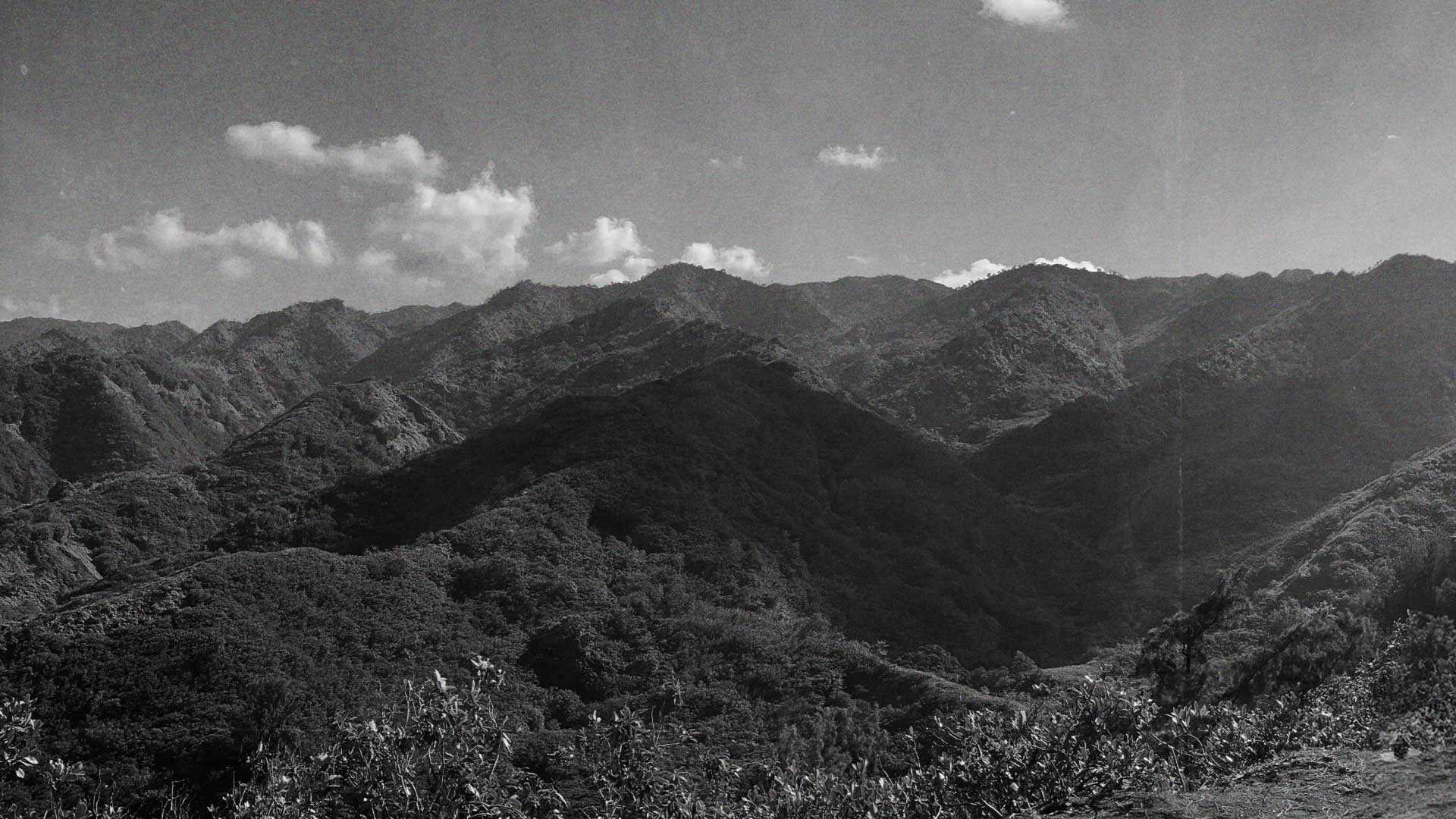
HRI began reforestation efforts years ago by planting native trees, but a long-term implementation plan was needed to fully care for the mountains and address ongoing challenges such as erosion, invasive plants, and wildfire damage. We’ve developed a comprehensive stewardship plan that addresses these needs and includes erosion control, sustainable trail design, and the restoration of native flora—creating an environment where native plants and ecosystems can thrive.
This initiative supports the mission of Laʻie’s existing cultural and educational organizations—also under HRI’s stewardship—which seek to protect and perpetuate our shared heritage.
One of the first focus areas will be the Laʻie Falls trail. Our efforts will center on stabilizing the soil and replanting native species such as ʻōhiʻa lehua, koa, hāpuʻu, ʻaʻaliʻi, and loulu. These plants, selected with cultural guidance, will help restore ecosystems, support wildlife, and revive Laʻie’s natural heritage. We’ll also improve signage and trail navigation to encourage safety and responsible access.
Managing Low-Impact Activities
To help the community and guests enjoy the area responsibly, we will create several low-impact activities designed around three core principles:
- Low Environmental Impact: We’ll offer sustainable hiking trails, safety-focused biking and electric UTV routes which will minimize noise and environmental disruption while making the mountain accessible to people with varying physical abilities.
- Educational Focus: Interpretive displays, artwork, and optional guided experiences will share stories of Laʻie’s natural history, agriculture, and cultural legacy.
- Family-Friendly: Experiences will be safe, inclusive, and designed to help everyone connect with nature in a respectful and meaningful way.
Addressing Community Concerns
We’ve worked closely with community groups to ensure this plan reflects care, consideration, and local input:
- La‘ie Falls Access: Trails will remain open and improved for safety and erosion control.
- Peaceful Community: Attractions are designed to blend into the landscape, without disturbing the temple or nearby homes.
- Managed Traffic: Visitor flow will be guided to maintain Laʻie’s quiet and orderly nature.
- Mango Valley: This area will be reserved with future plans for community use.
- Local Benefits: Local residents will continue to have access to the mountains. Paid activities will be limited to small, isolated areas—with discounted rates for Laʻie residents and kamaʻāina.
Why This Matters
Honolulu County’s Sustainable Communities Plan calls for preserving open space and supporting agricultural use. With farming costs rising and pressures on land use growing, this project offers a path forward that keeps the land productive while creating economic opportunity and cultural value.
As local stewards, we take seriously our responsibility to build something that honors the sacredness of Laʻie—supporting HRI’s vision for a thriving native landscape that serves both the ‘āina and the community.
Contact Us
"*" indicates required fields